A custom clothing project becomes easier to manage when the buyer and manufacturer agree on the product before discussing production. A logo and a reference photo are useful starting points, but a workable brief also explains the intended wearer, fit, fabric, decoration and order structure.
For a T-shirt, polo shirt or sweatshirt collection, use the following sequence to turn an idea into a specification that both teams can review.
1. Define the garment and its purpose
Start with how the clothing will be used. A promotional T-shirt, a corporate polo and a heavyweight retail T-shirt may share the same logo but require different fabrics and silhouettes. Describe the target market, season, wearer and intended price positioning. Include front and back reference images and explain which details you want to reproduce or change.
If you already have a design and measurements, organize them into a technical specification. If you need help developing the garment, identify the decisions that remain open. Terms such as OEM and ODM can cover different arrangements, so agree on the actual development responsibilities, deliverables and design ownership for your project.
2. Select the fabric and finish
Specify composition, knit structure, fabric weight, colour and finish separately. Fabric weight describes the material, rather than the shipping weight of a finished garment. Avoid using “premium cotton” as the only specification: it does not identify the hand feel, construction or expected appearance.
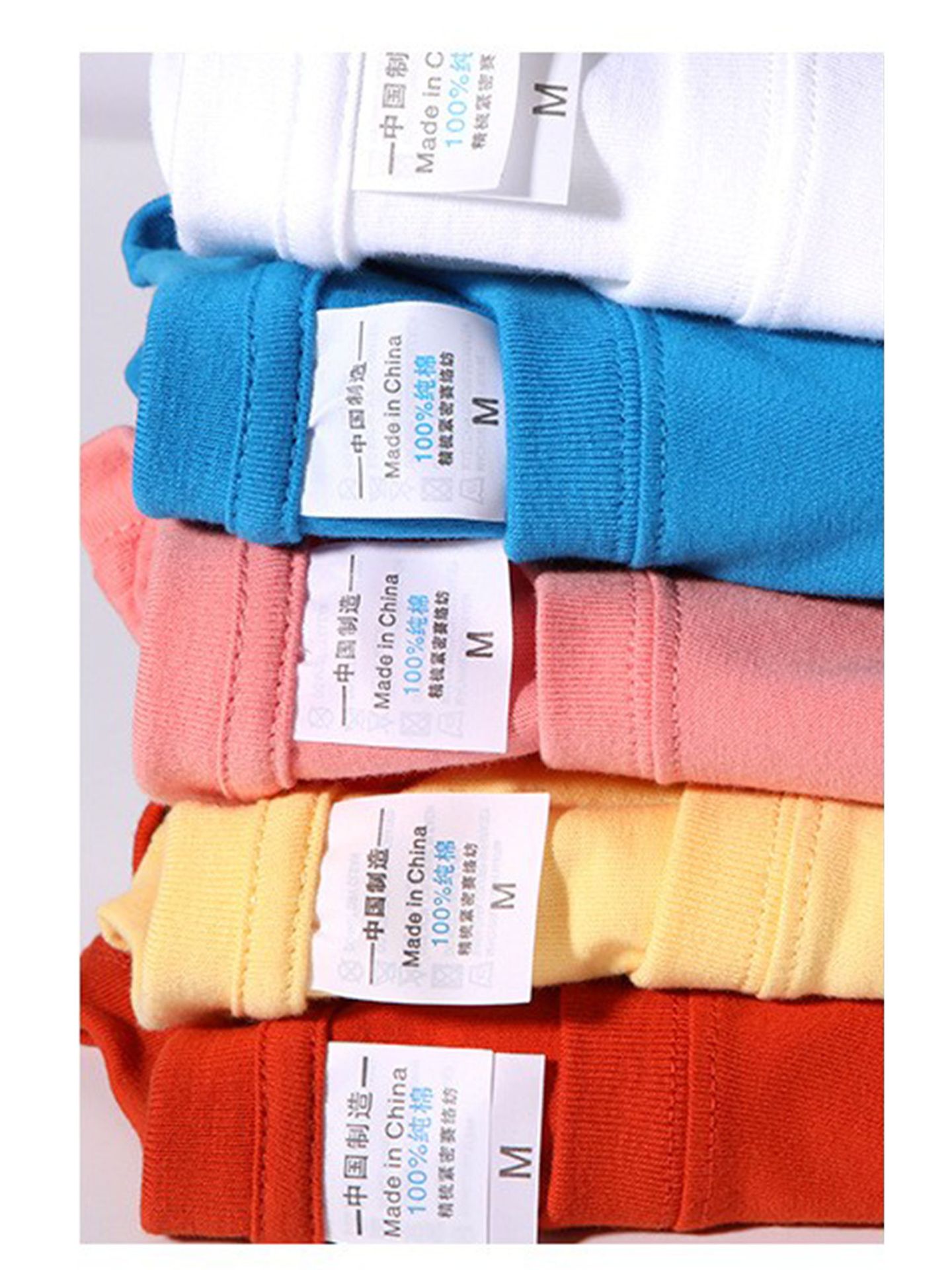
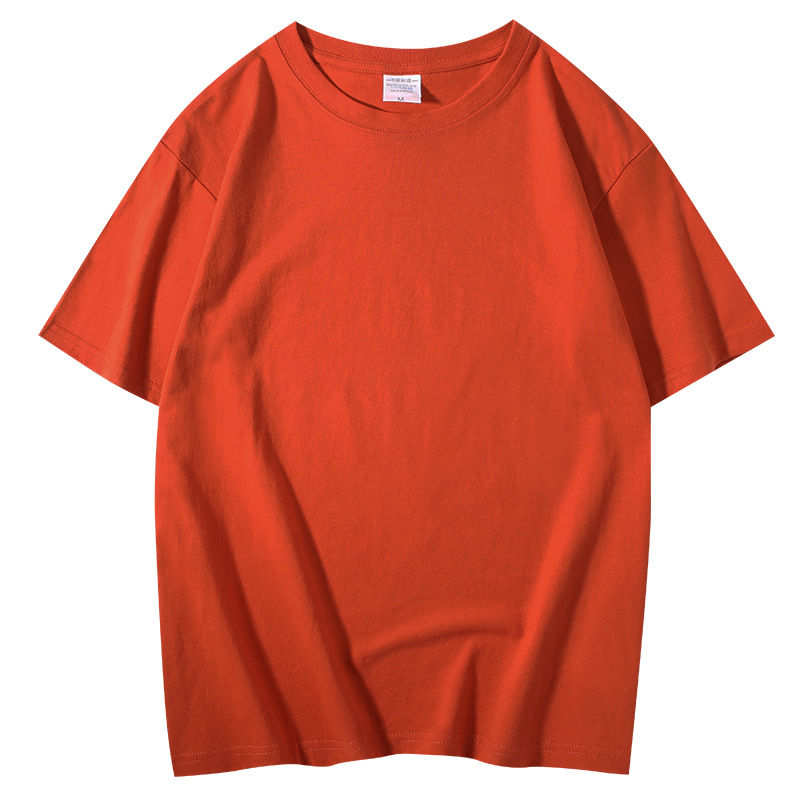
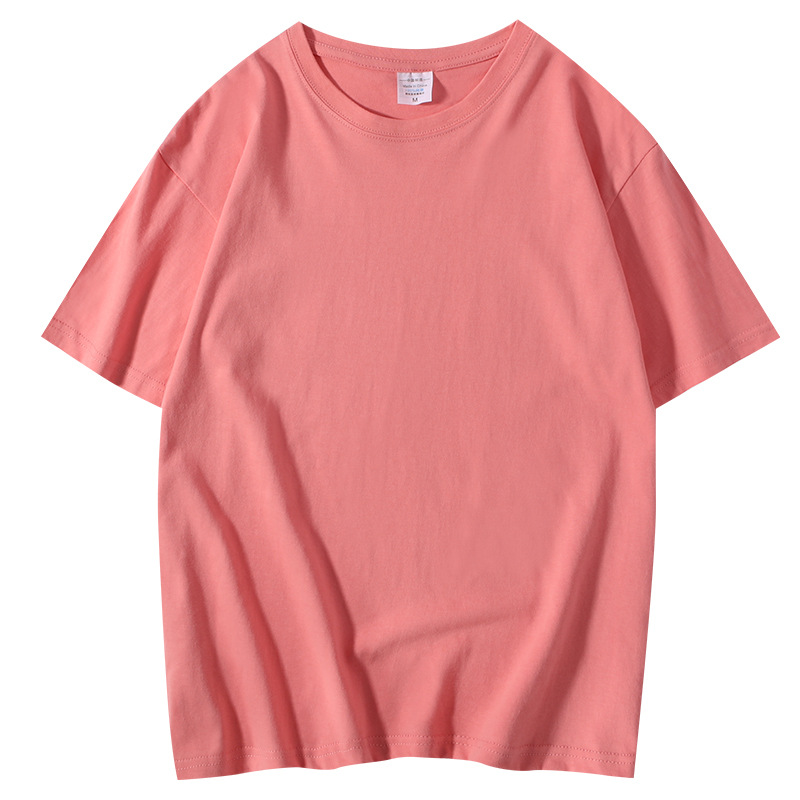
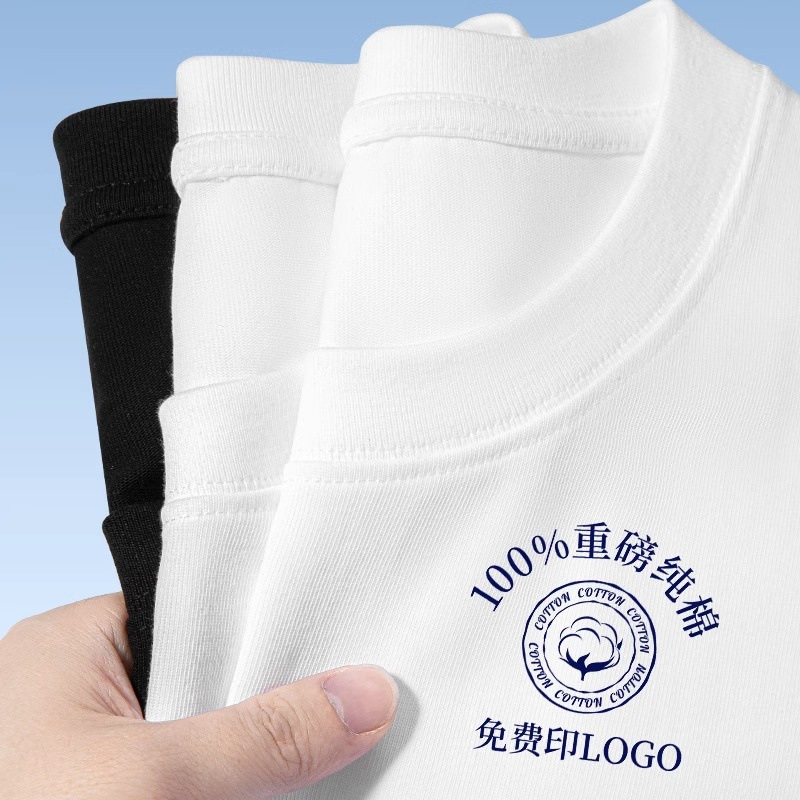
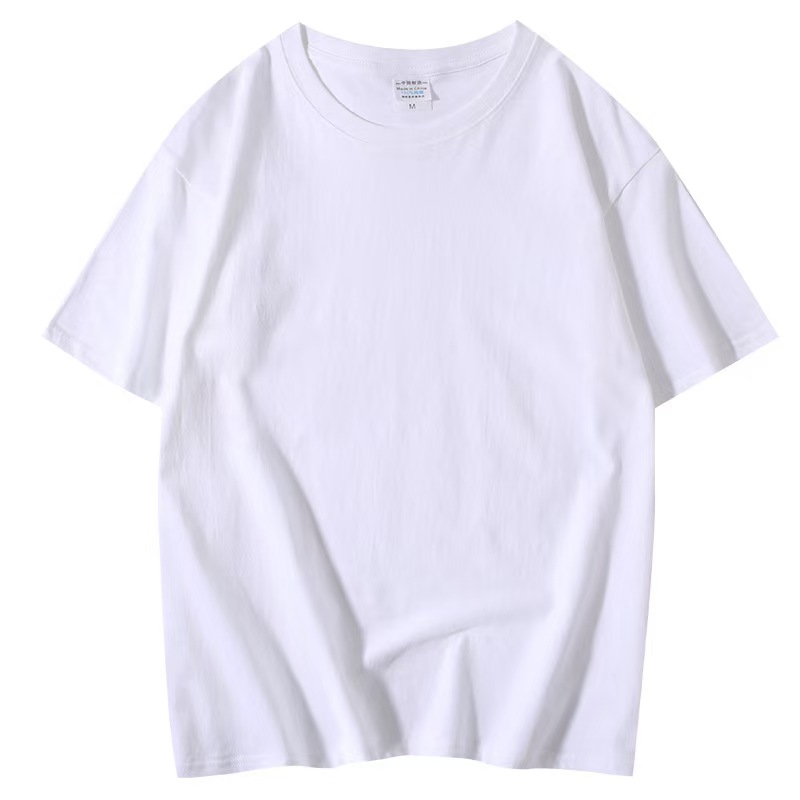
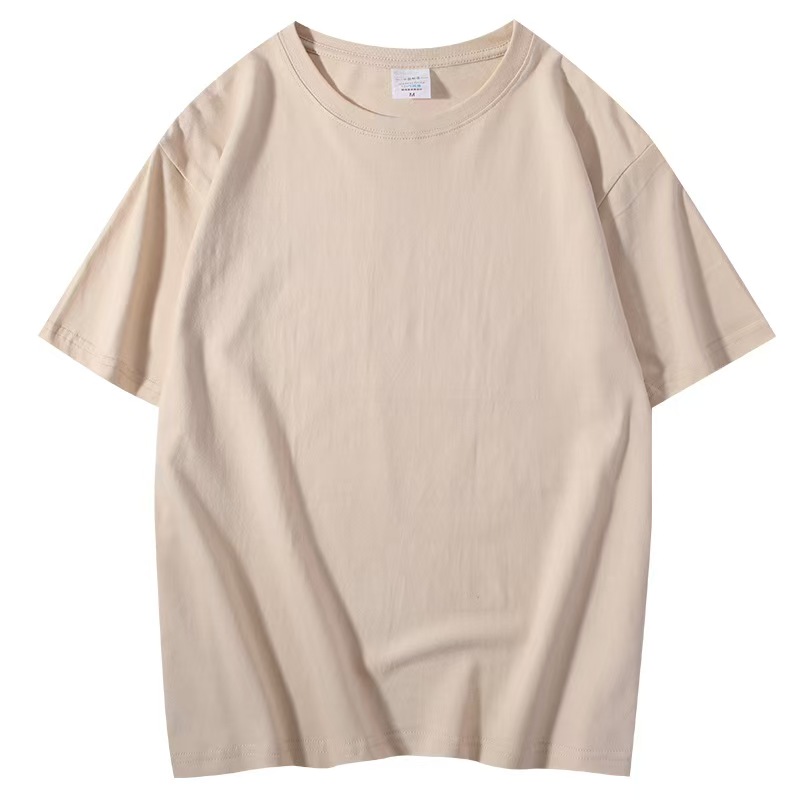
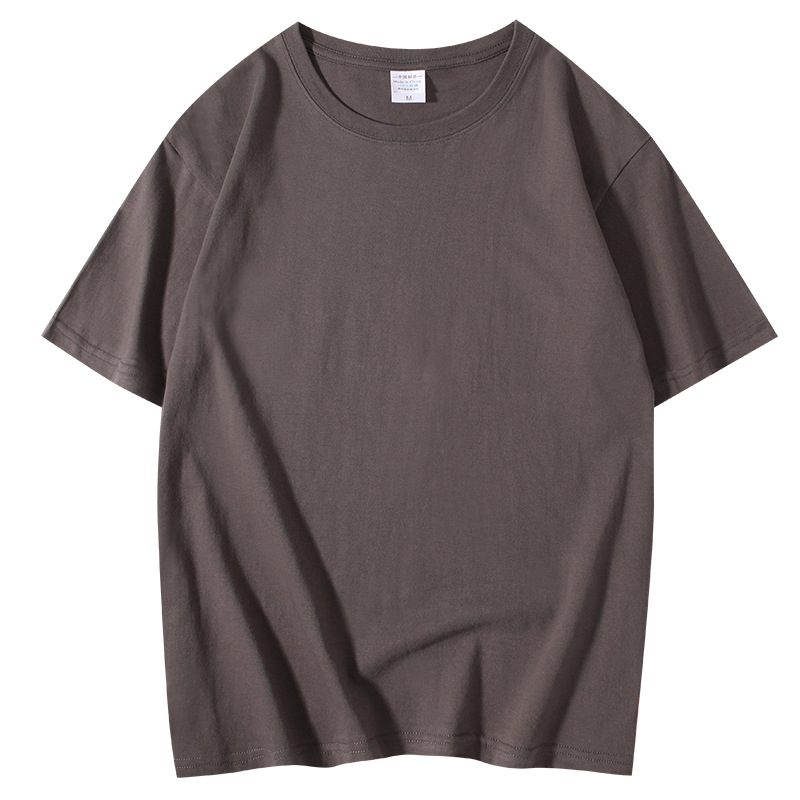
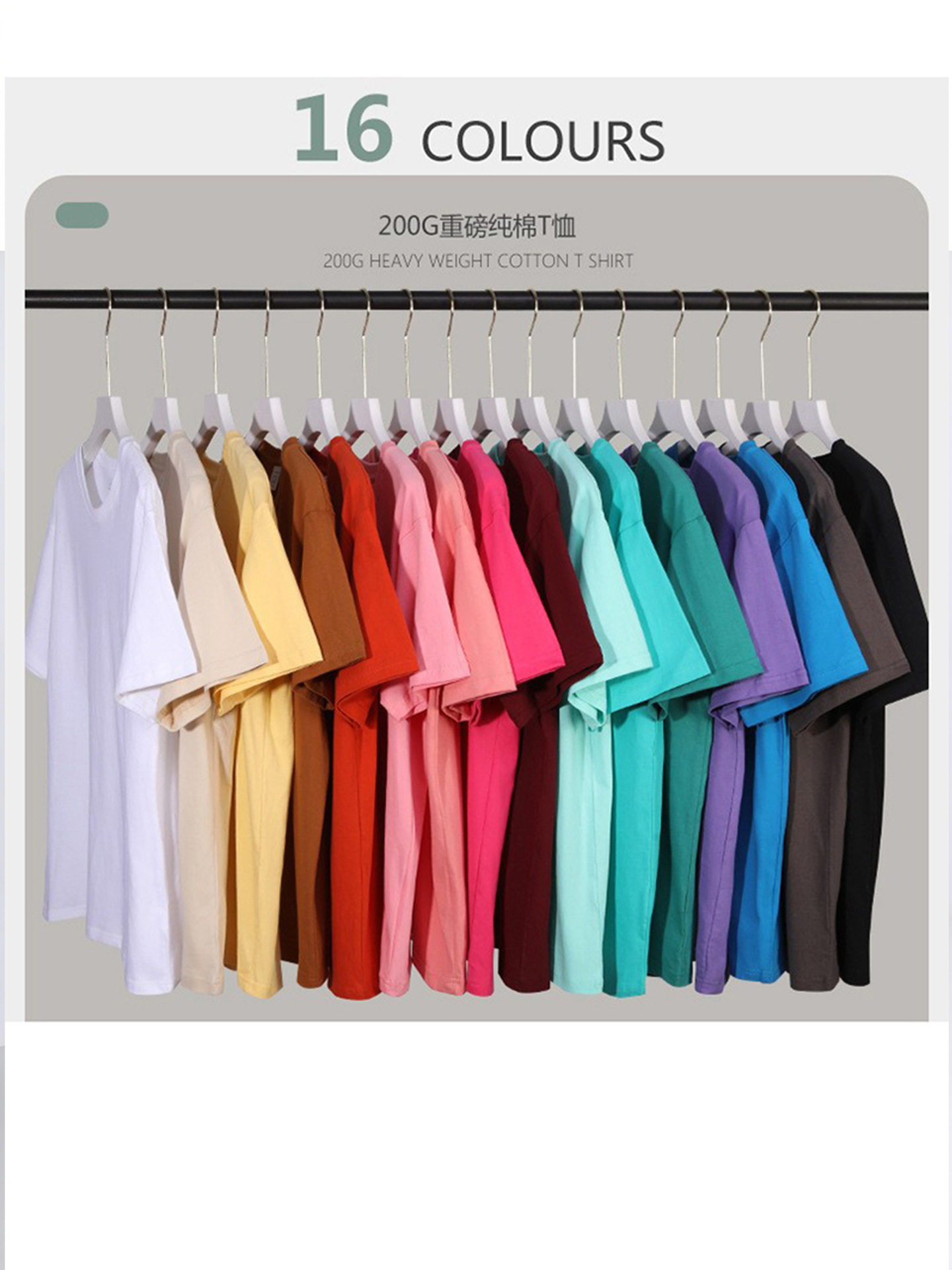
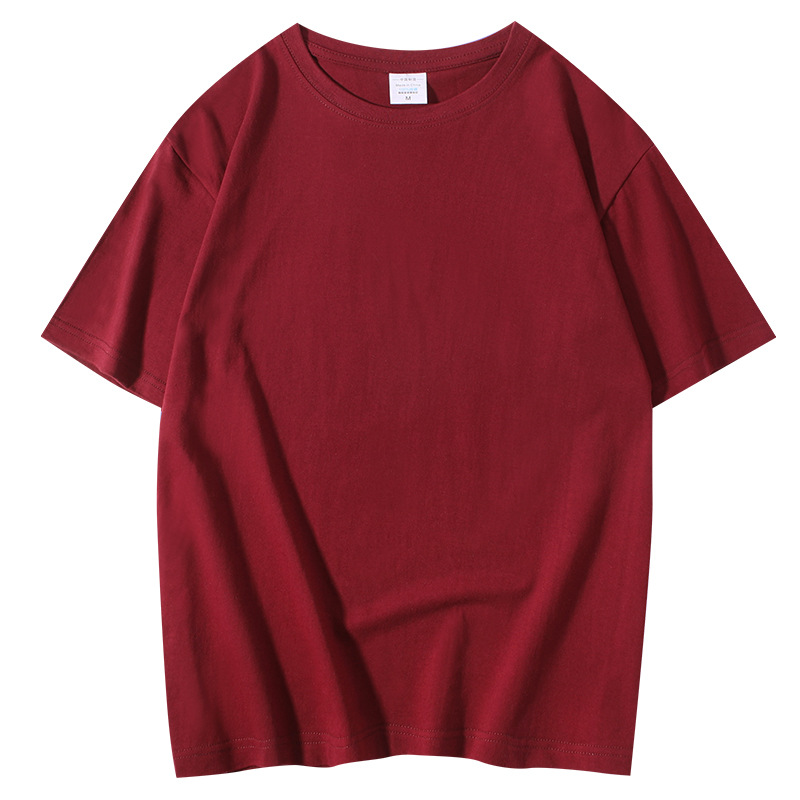
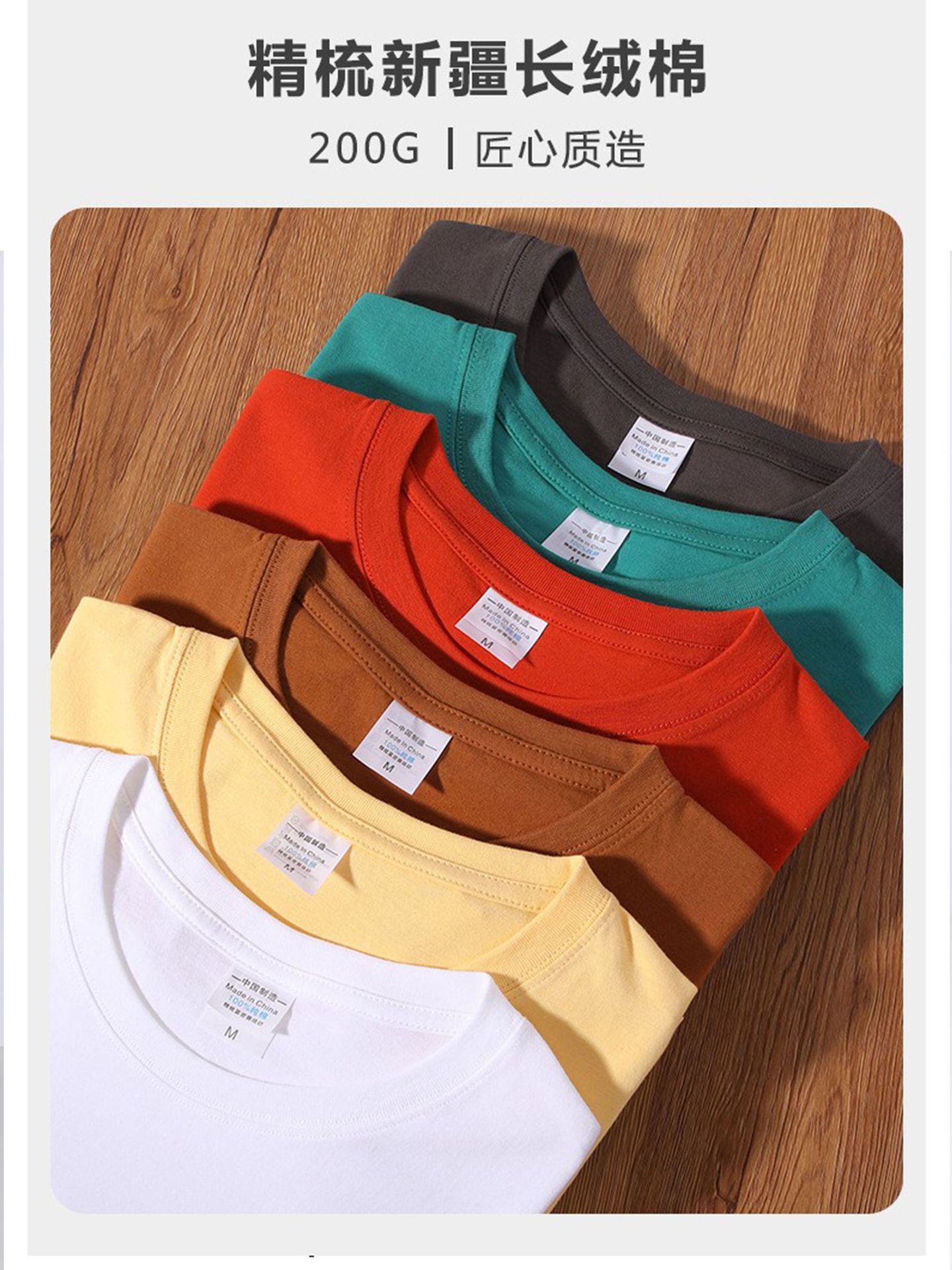
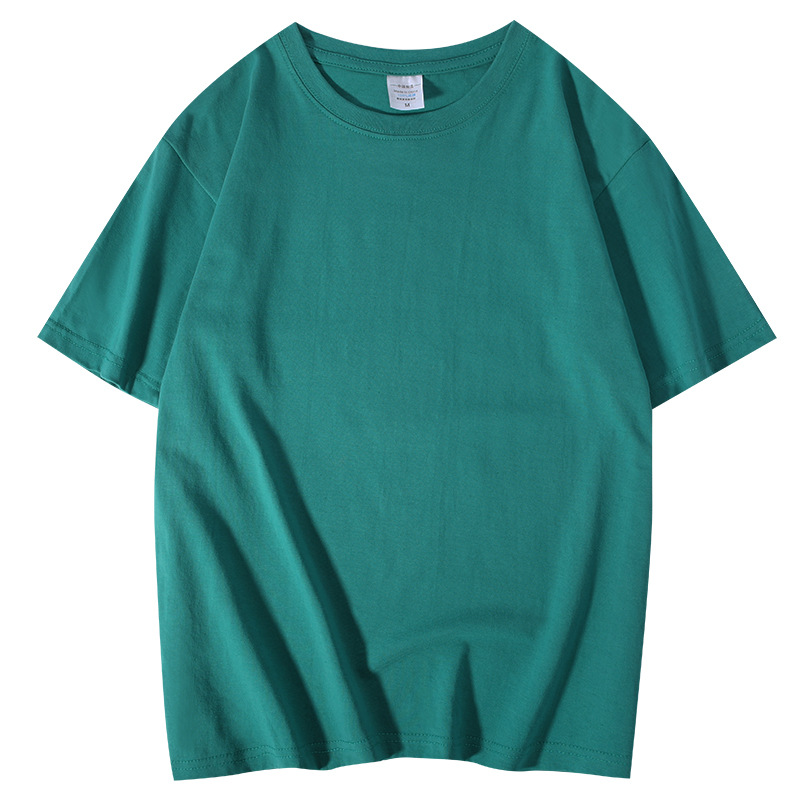
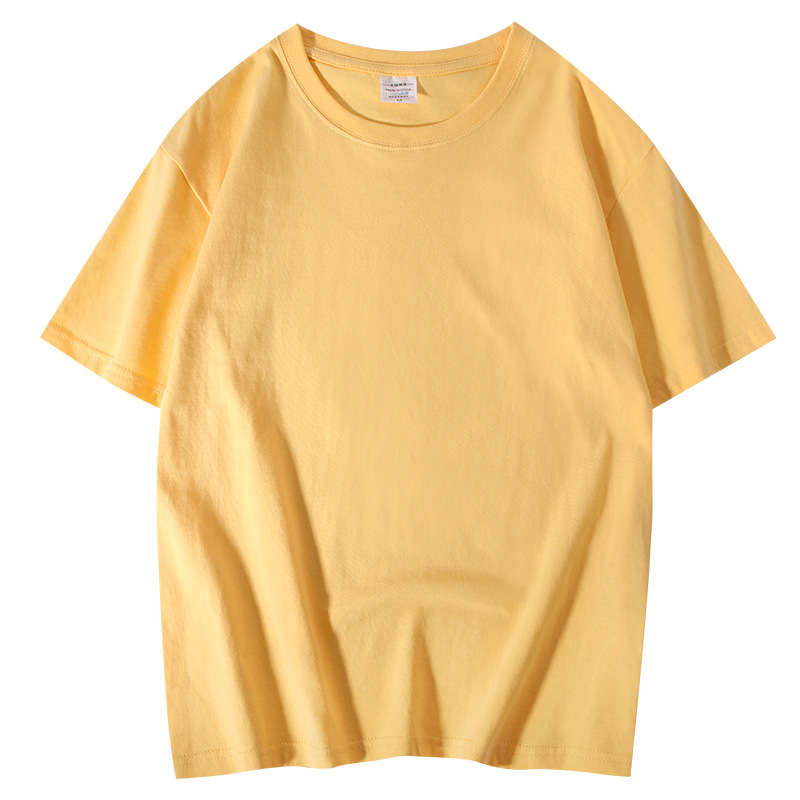
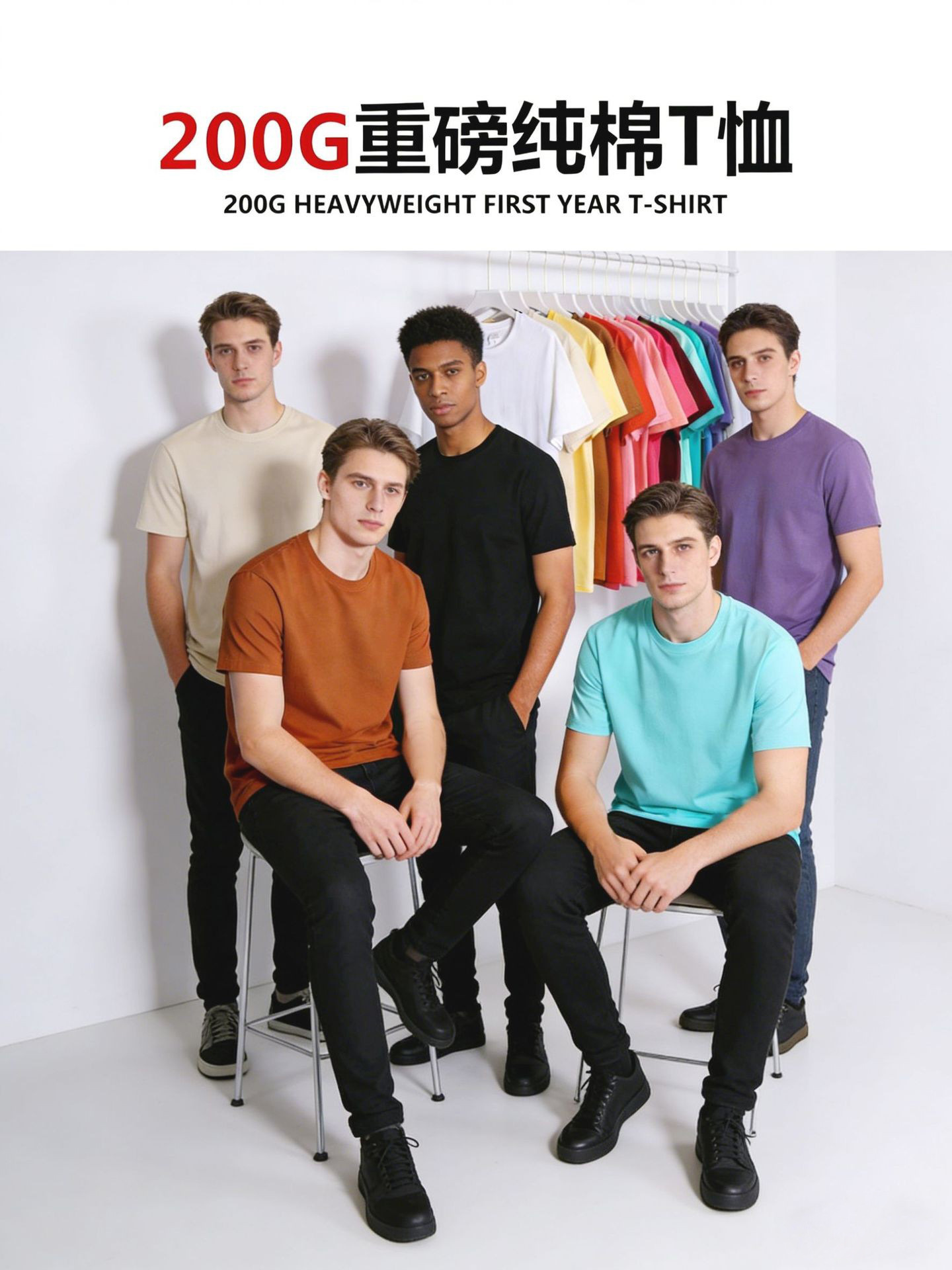
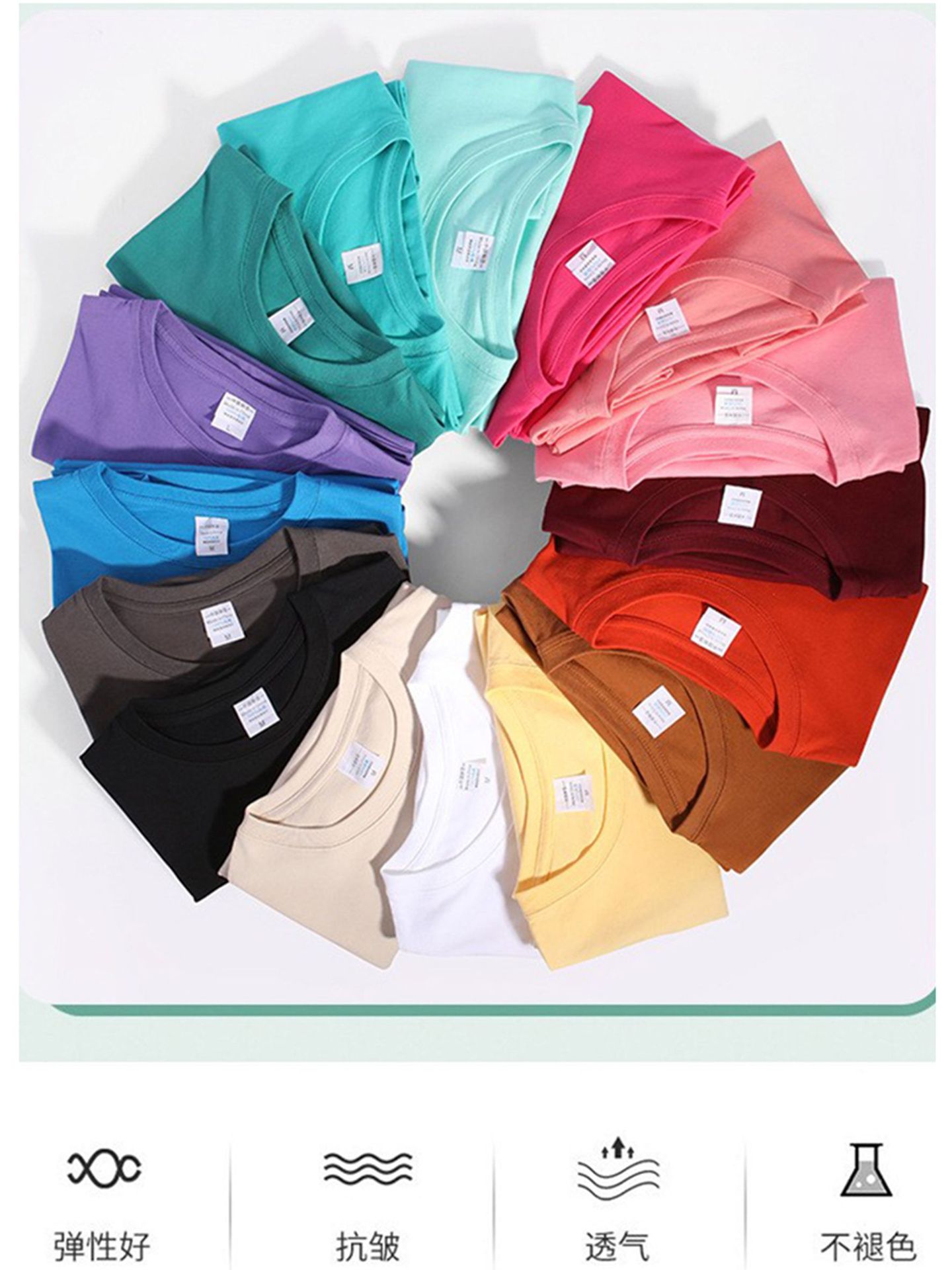
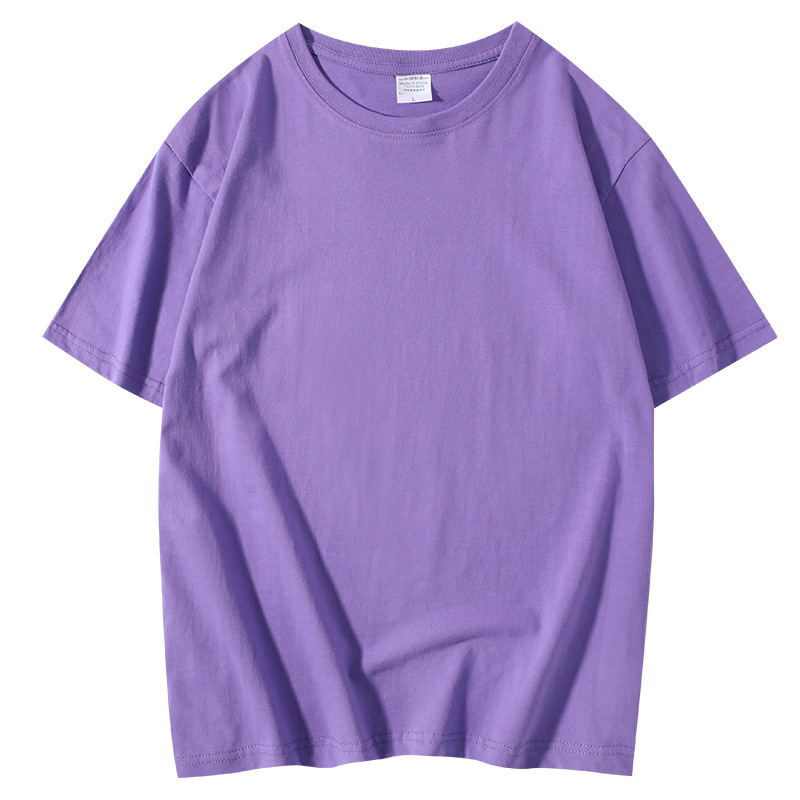
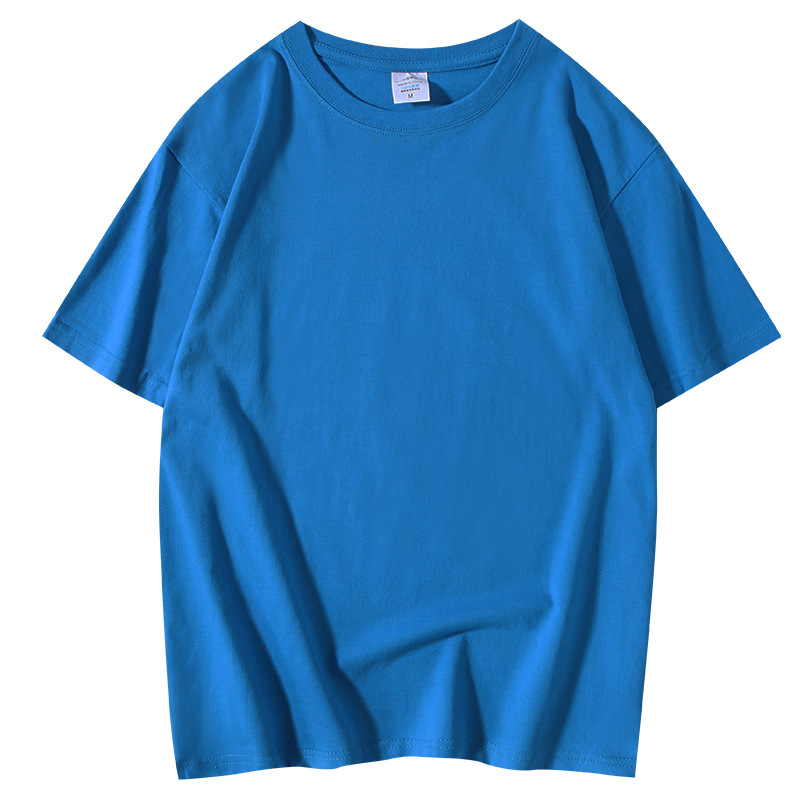
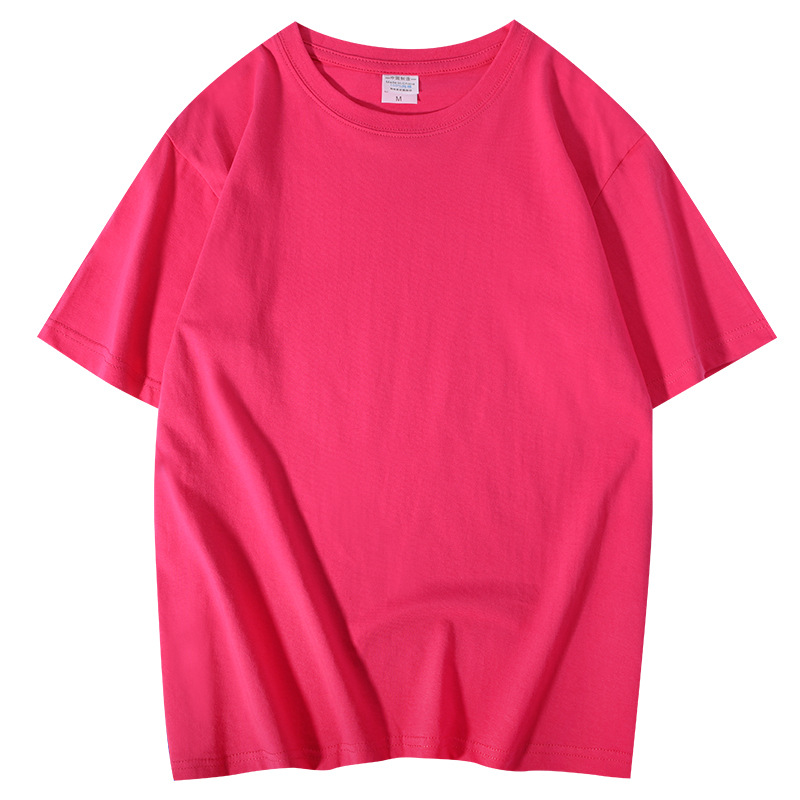
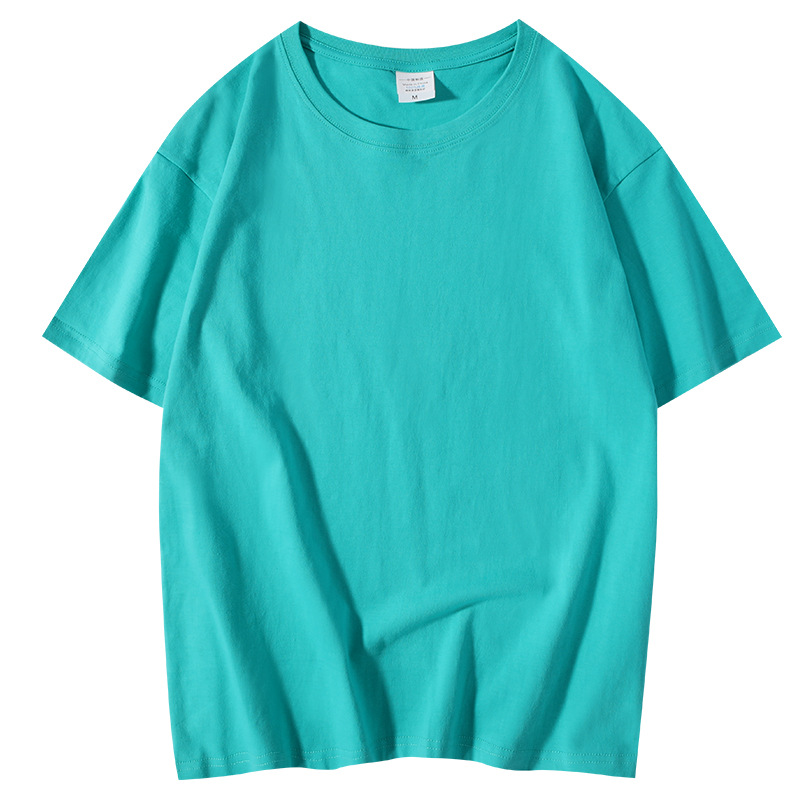
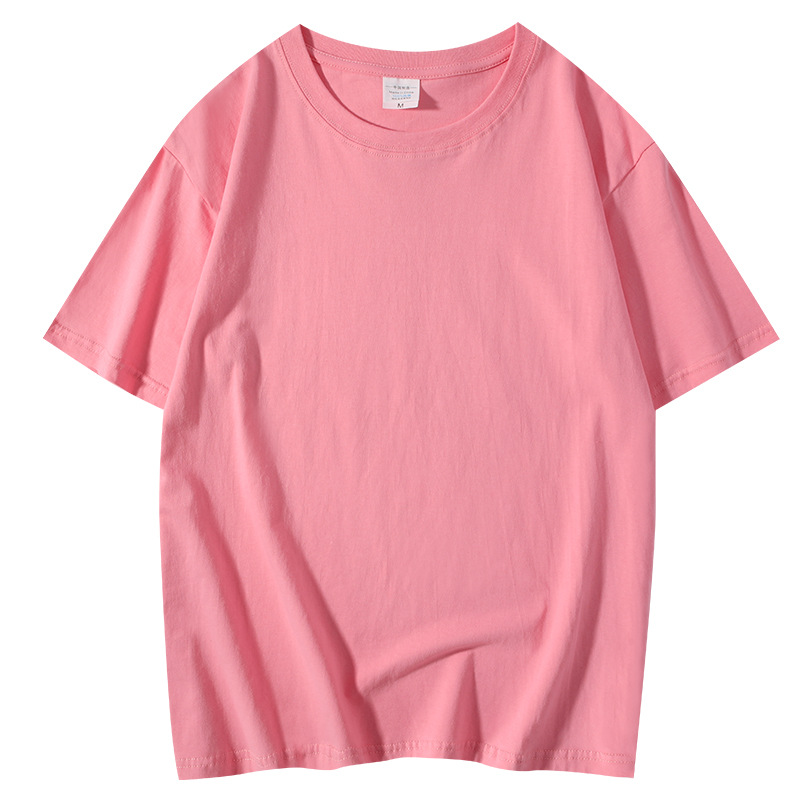
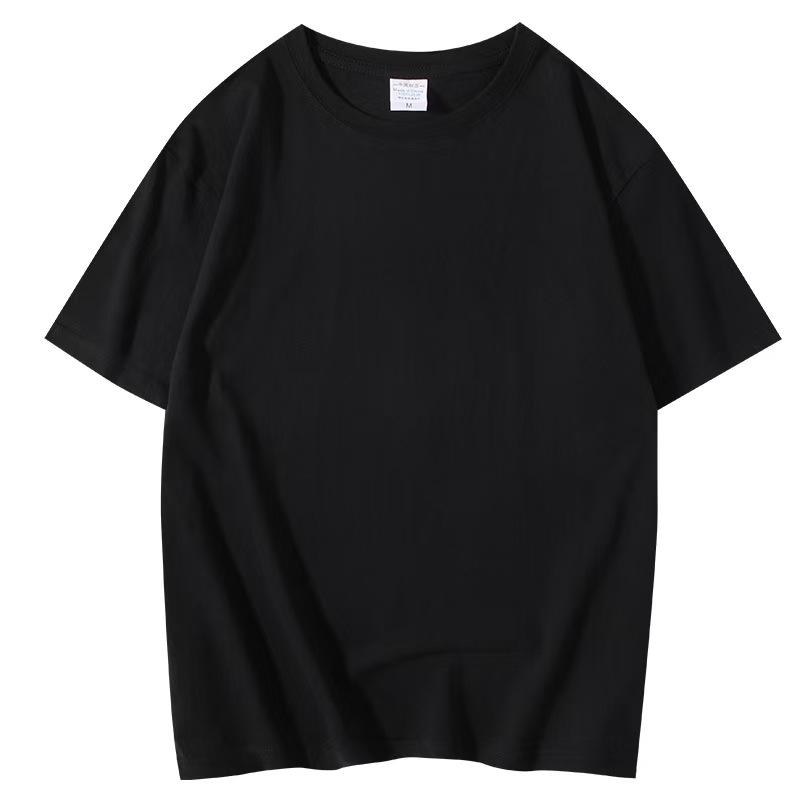
Baihui's product range includes cotton T-shirts, cotton piqué polos, French terry sweatshirts and quick-dry sports T-shirts. The 200g and 250g cotton short-sleeve styles provide different starting points for a structured T-shirt project. Use a physical swatch or sample to decide which material suits your collection.
3. Translate the design into measurable details
Record garment measurements, the measurement method and the size range. Mark logo positions from fixed reference points, such as the centre front or a seam, and state the artwork dimensions. Include collar, cuff, pocket, seam, label and packaging requirements where relevant.
A useful specification distinguishes fixed requirements from options that the factory may propose. For example, a logo width may be fixed while the decoration technique remains subject to sampling.
4. Review the sample against the brief
Check fit, fabric feel, colour, construction and decoration together. A photograph can show placement, but it cannot fully communicate texture or how a garment feels when worn. Where wash performance matters, agree on a review method and compare the sample before and after washing.
Return one consolidated feedback sheet with photographs, measurements and clearly numbered changes. Keep each revision dated so that an earlier instruction is not accidentally treated as the latest approval.
5. Confirm the production reference
Before proceeding, agree which sample and specification version define the order. Confirm quantities by colour and size, packaging, inspection expectations and the production schedule. Ask for project-specific minimum quantities and timing; these should be checked against the chosen material and customization requirements.
Starting your project with Baihui
Zhongshan Qijiang Baihui Garment Co., Ltd. supports knitwear customization including embroidery, digital printing, screen printing, heat transfer and private labeling. Send your garment reference, target fabric, size range, artwork and estimated quantities to begin a focused development discussion.