
Size planning is the least glamorous part of a custom apparel project and one of the most expensive to get wrong. Order too few of the extreme sizes and you cannot fulfil demand; order too many and you finish the campaign with unsellable stock in the sizes nobody wanted. The difference between those two outcomes is a sizing curve built on real data rather than habit.
1. Why the Standard Size Curve Usually Misses
Many programmes default to a repeated distribution — often something close to evenly spread across S, M, L, XL. In practice, most real populations are not shaped that way, and the mismatch shows up as stock-outs in one size and leftovers in another.
Three factors shift a real curve away from the default:
- Audience demographics — age distribution and gender mix both move the peak. An older or mixed-gender workforce generally needs a curve weighted toward larger sizes than a young sports team.
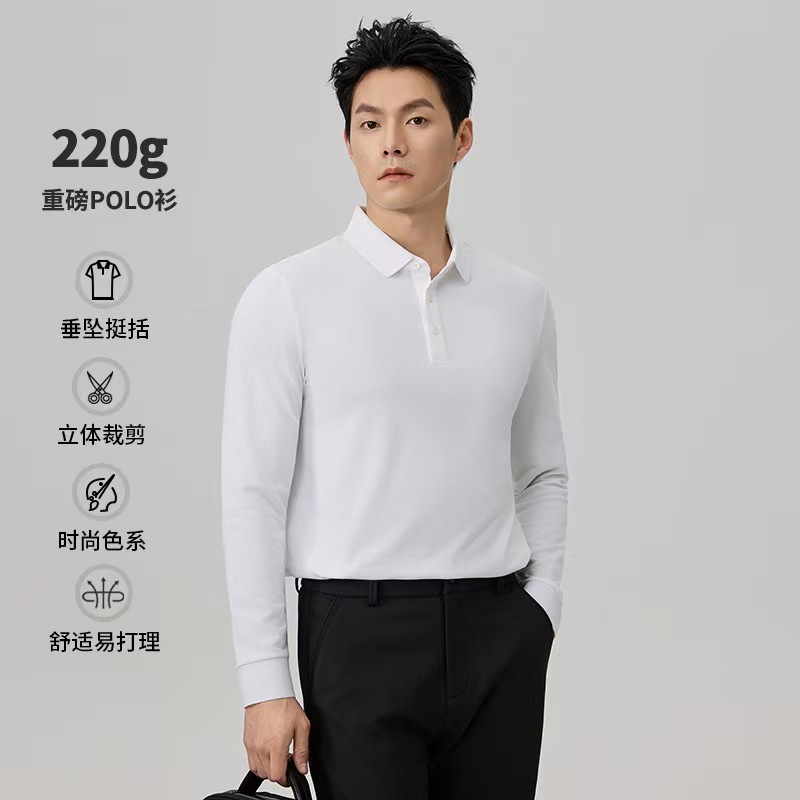
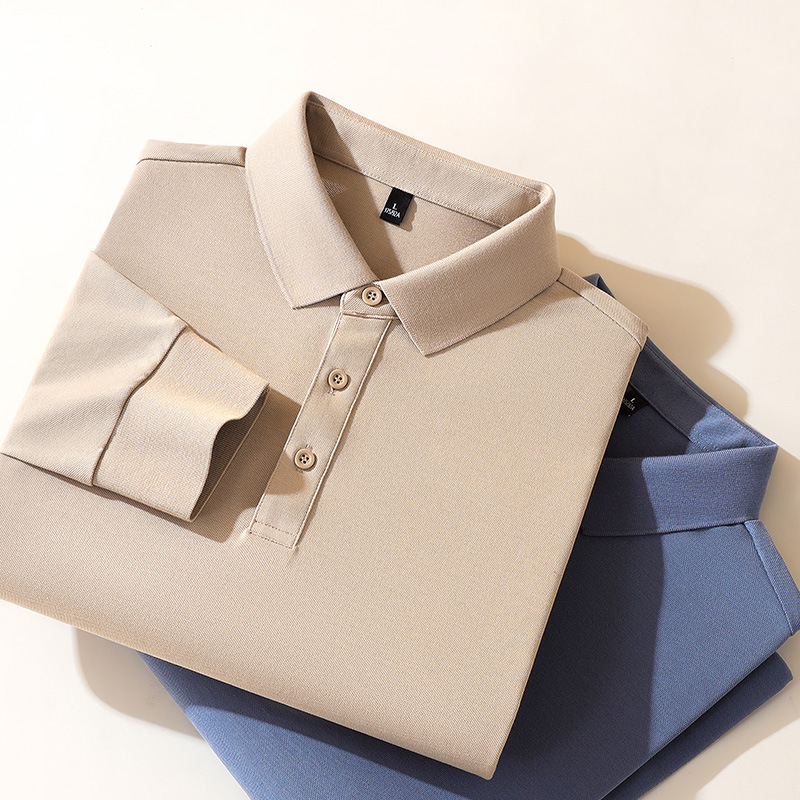
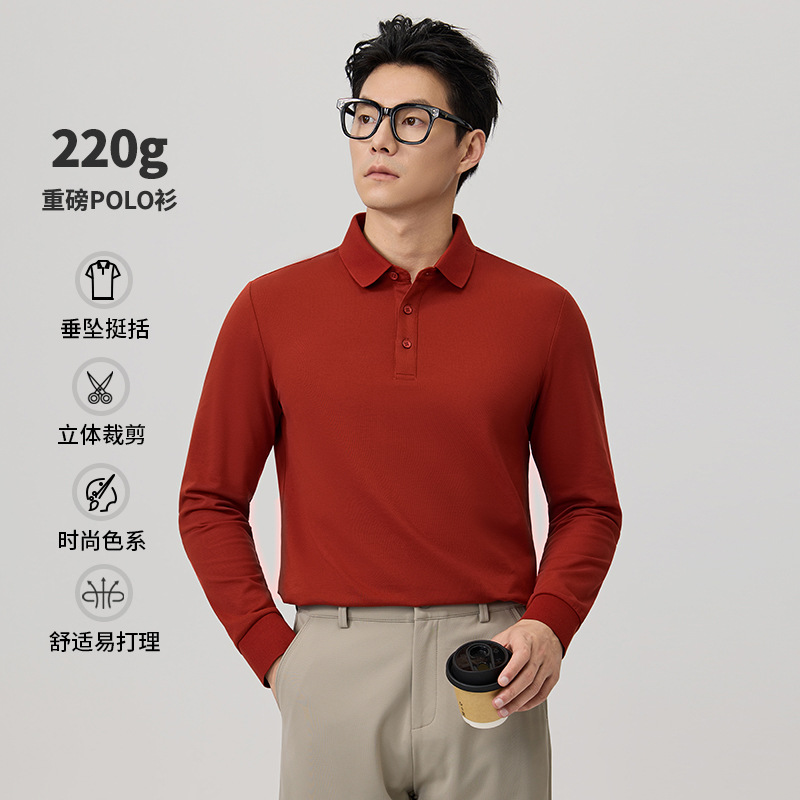
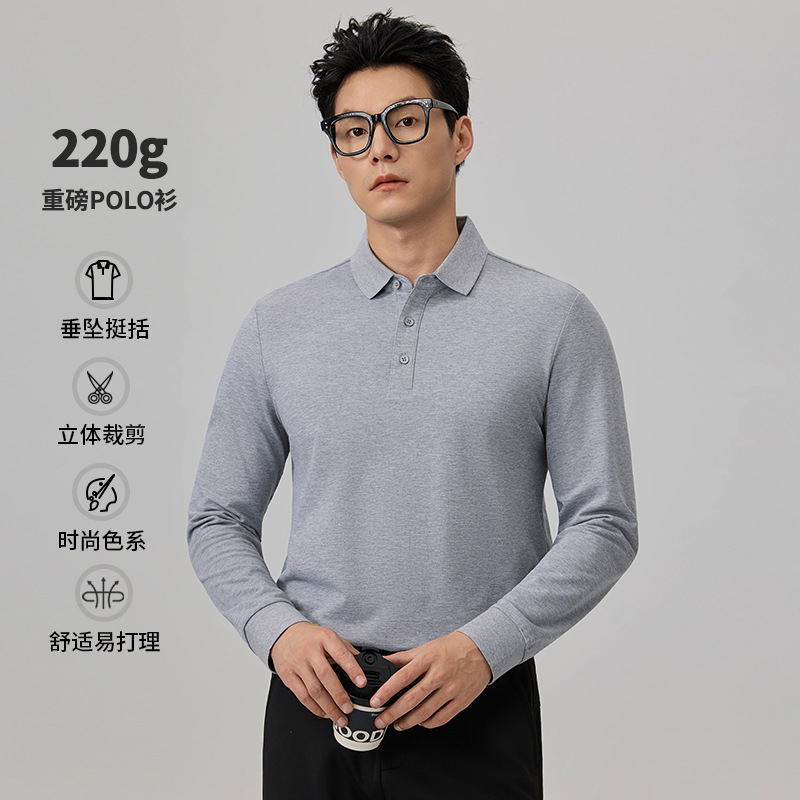
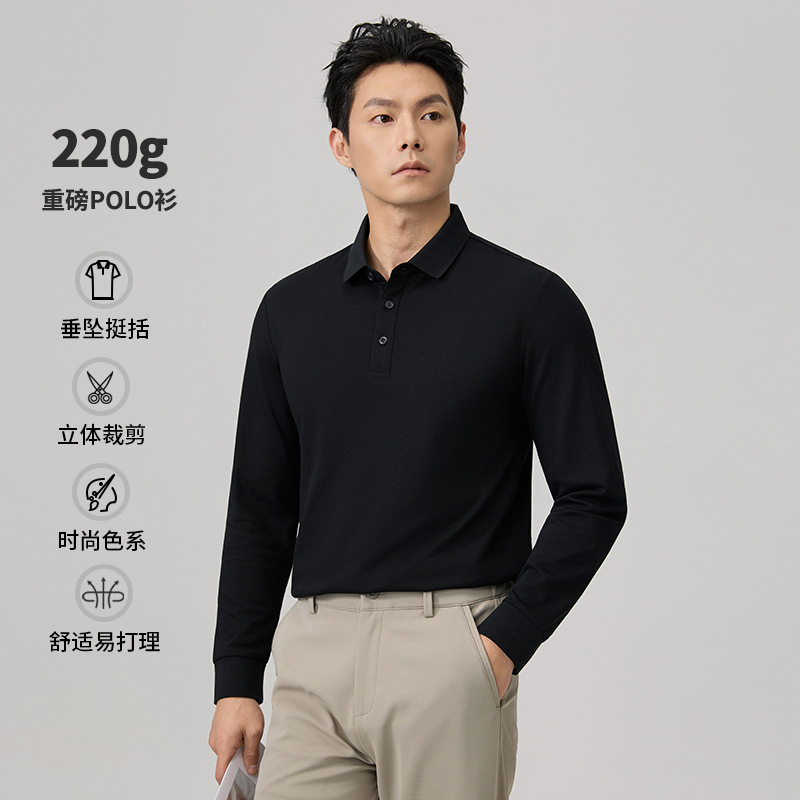
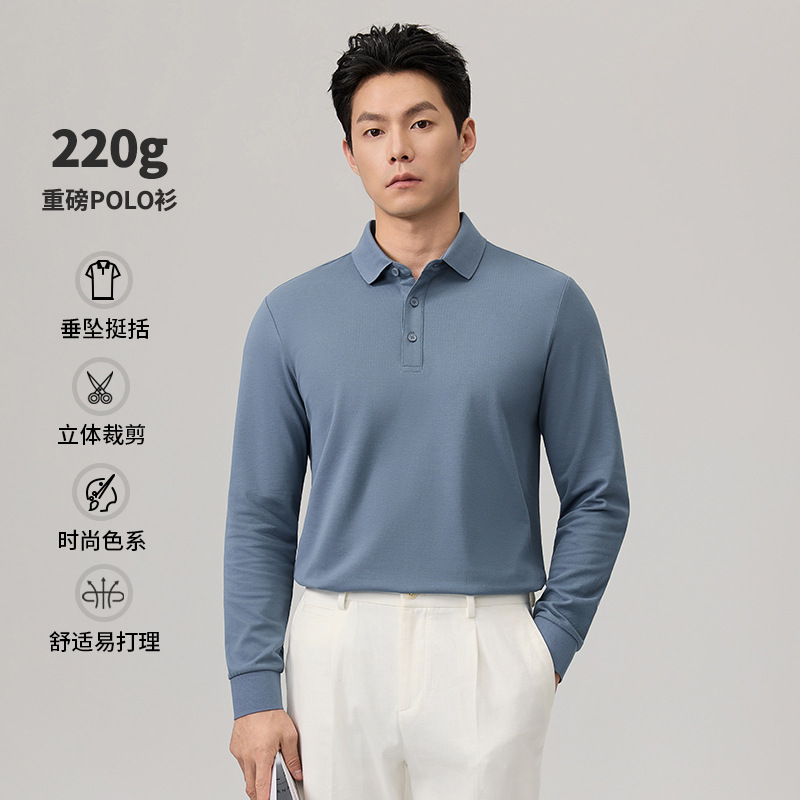
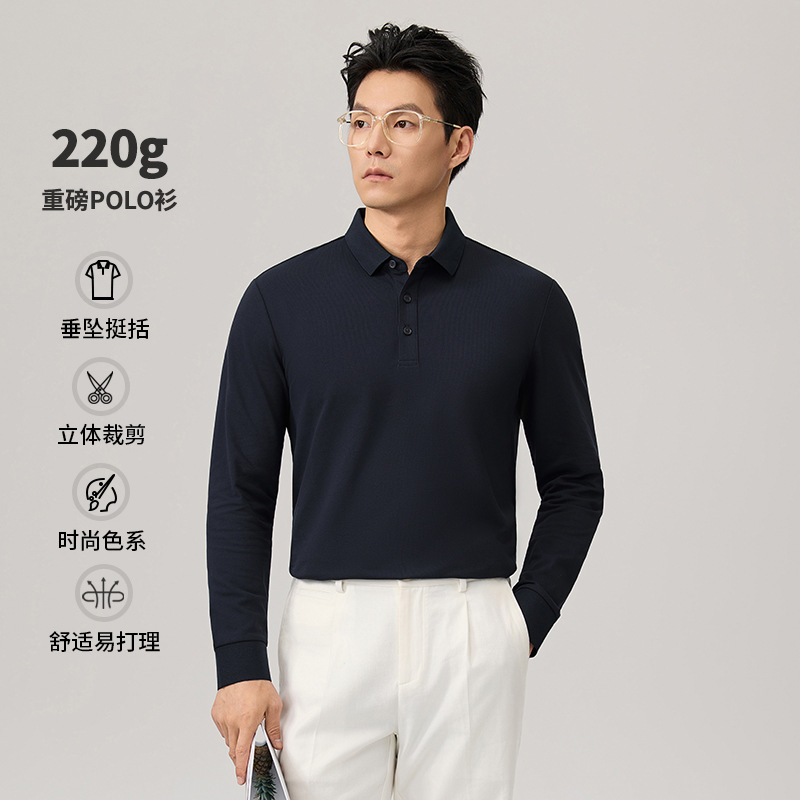
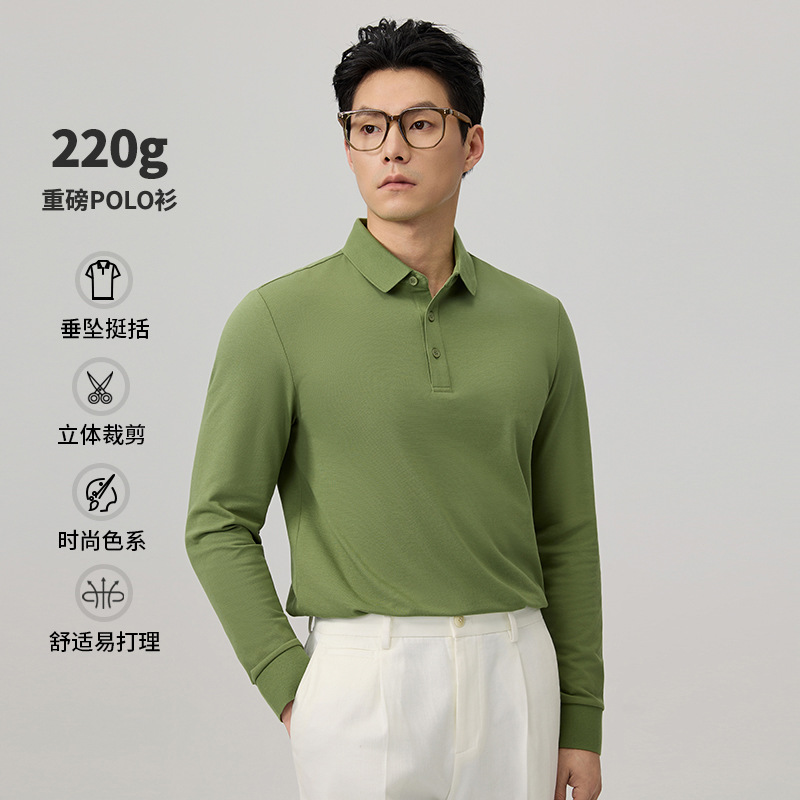
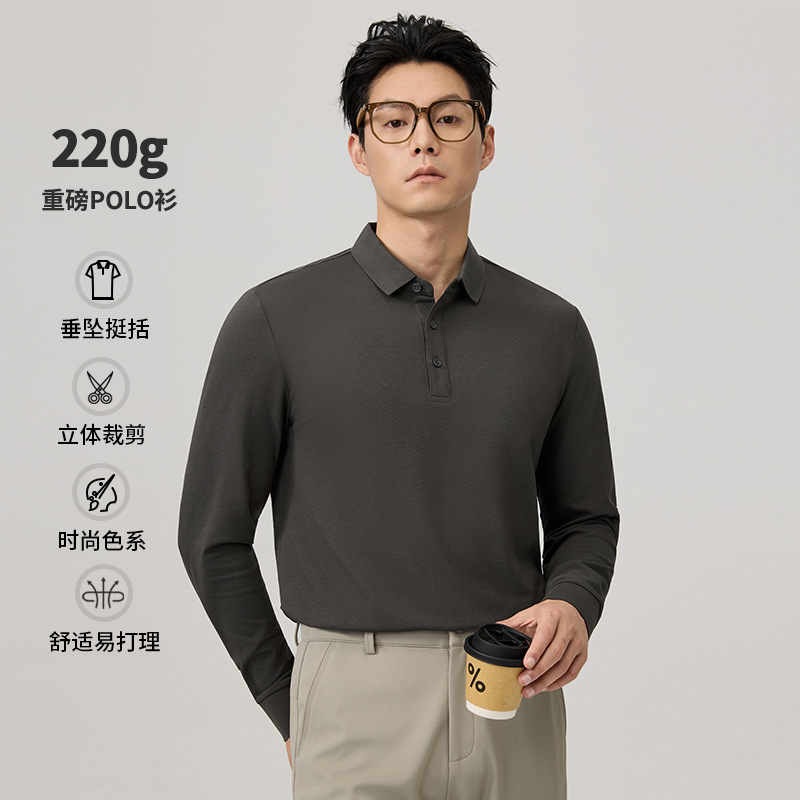
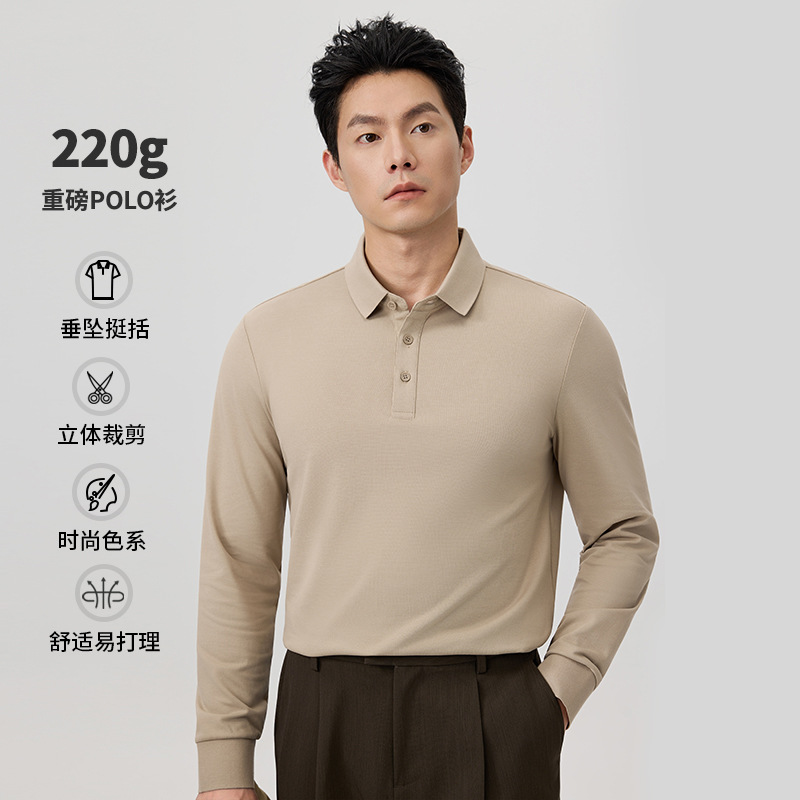
- Garment type — a fitted polo and a loose sweatshirt do not provoke the same sizing choices. Where a garment runs small or is worn fitted, buyers size up.
- Region and market — average body size and sizing expectations vary meaningfully between markets. A curve that works for one region can be badly off for another.
2. How to Build a Curve From Real Data
The most reliable input is actual data from your own wearer base. In rough order of usefulness:
- Past order records — if you have previously ordered apparel for this group, the sizes they requested are the best predictor you have.
- Fitting sessions — a sample fitting with a representative group resolves both sizing preference and fit perception in one pass, and is worth the effort for large programmes.
- Sizing survey — where fitting is impractical, a simple request for each person's usual size gives a workable curve at low cost.
- Published population data or catalogue defaults — a last resort. Serviceable for small promotional runs, but a poor basis for a large budget.
A practical compromise: order the middle sizes on your measured curve and treat the smallest and largest sizes as a smaller, separately tracked allocation. This limits exposure if the extremes do not move.
3. Understanding Grading Across a Range
Grading is how a pattern is scaled from a base size to the rest of the range. It matters because poor grading is invisible on a spec sheet but obvious on a body.
- Base size approval comes first. The fit is approved on one size — usually M or L — and then graded. Approving the base size and the graded set separately is how a programme ends up with an M that fits and an XL that does not.
- Increments are not uniform. Chest, shoulder, sleeve and body length do not all scale at the same rate, and a well-graded range adjusts each measurement point independently.
- Extended sizes need their own attention. Simply continuing the same increment into 3XL or 4XL produces garments that fit badly. Larger sizes generally need rebalanced proportions, not just more width.
When reviewing a graded range, ask to see the measurement chart for every size, not just the sample. And if your wearer base includes larger sizes as a significant share, treat the extended range as a designed product rather than a scaled-up afterthought.
4. The Dead Stock Problem
Unsold sizes are a real cost, and they are usually invisible in the initial quotation because they show up after the programme closes.
Practical ways to limit them:
- Weight the curve toward your peak size rather than ordering evenly. If your data shows M and L absorbing most demand, reflect that in the order.
- Under-order extremes slightly. A modest shortfall in an extreme size is usually cheaper to absorb than a pile of stock in sizes nobody requests.
- Confirm sizing up front where possible — a pre-order or sizing confirmation step converts guesswork into data for the price of an administrative step.
- Plan a use for leftovers before you order. If unclaimed stock can go to new starters, future events or a staff store, the residual cost is much lower.
5. Sizing and Fit Beyond the Number
Two garments labelled the same size can fit differently, because fit is set by the pattern rather than the label. When comparing options, check:
- Chest and body length together — a garment can be correct in the chest but too short in the body, which is a common complaint on longer torsos.
- Shoulder width — the measurement that most affects whether a garment looks like it belongs to the wearer.
- Fit intent — regular, relaxed or slim. Confirm which you are buying, because "the same size" means different things across those three fits.
For any programme where fit is a significant driver of satisfaction, a physical fitting with a representative sample of wearers settles more questions than any amount of chart comparison. It also lets you capture which sizes your people actually reach for, which is the data you need for the next order.
6. A Workable Sequence
- Pull past order data or run a sizing survey on your actual wearer base.
- Build the curve, weighting toward your peak sizes and trimming the extremes slightly.
- Approve the base size fit, then review the full graded measurement chart separately.
- Treat extended sizes as their own design problem if they form a meaningful share.
- Decide in advance where any residual stock will go.
- Record what actually sold or was distributed, and use it to refine the next order.
Baihui Garment produces custom apparel across full size ranges including extended sizes, and can supply graded measurement charts and sample garments so the fit is validated across the range before bulk production begins.
Conclusion
Size planning rewards data and punishes habit. Build your curve from real wearer information, approve the base size and the graded range as separate steps, give extended sizes their own design attention, and decide what happens to leftovers before you order rather than after. Do that and the size range stops being a source of hidden cost.