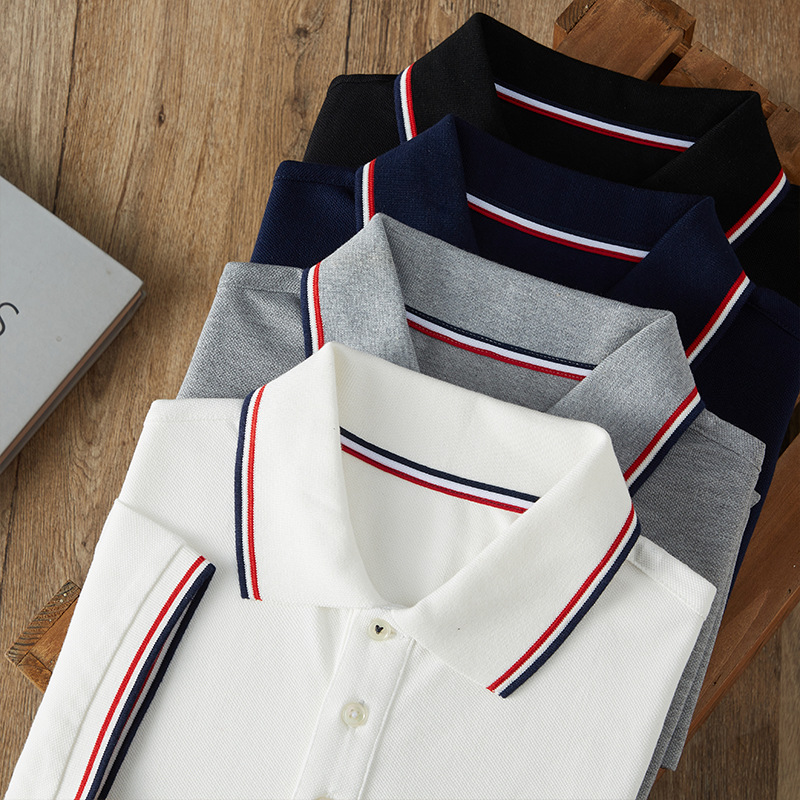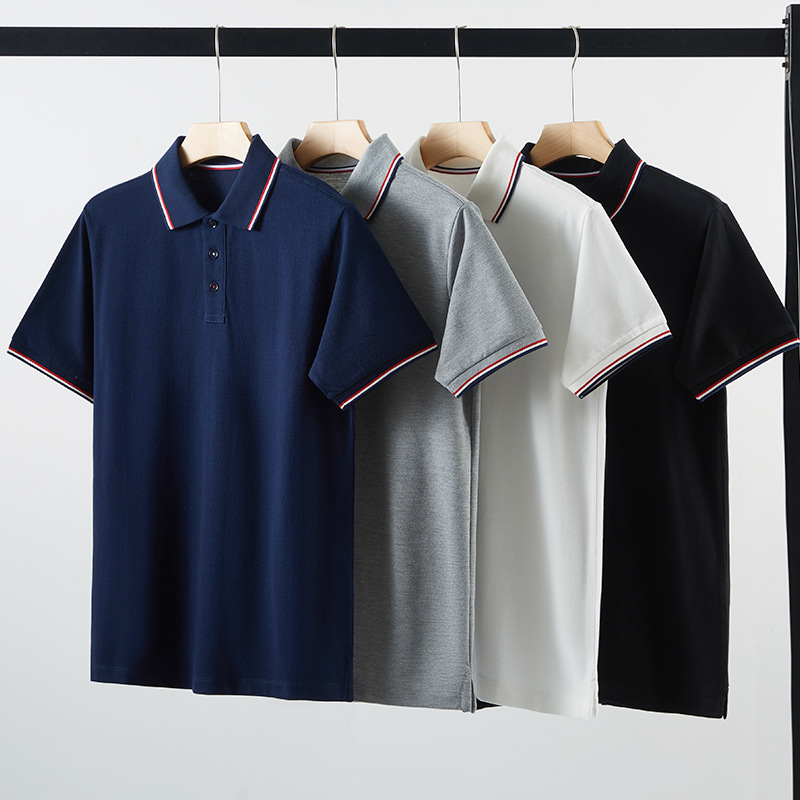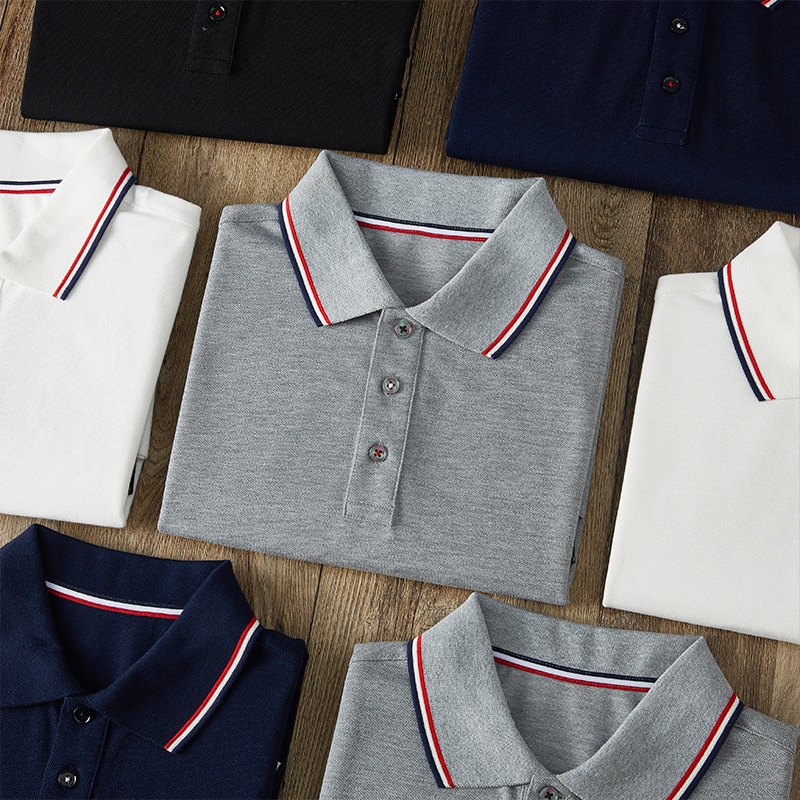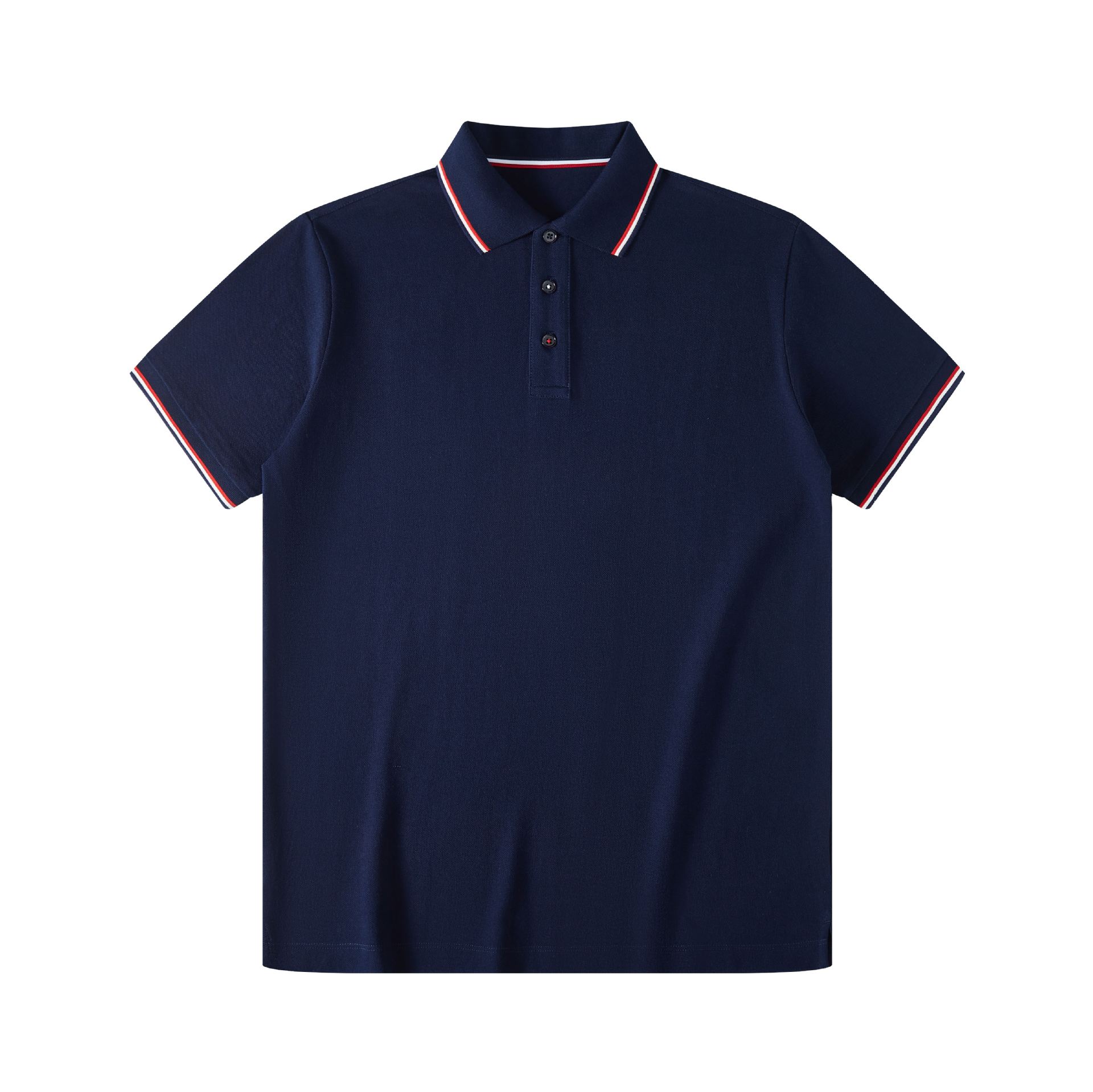
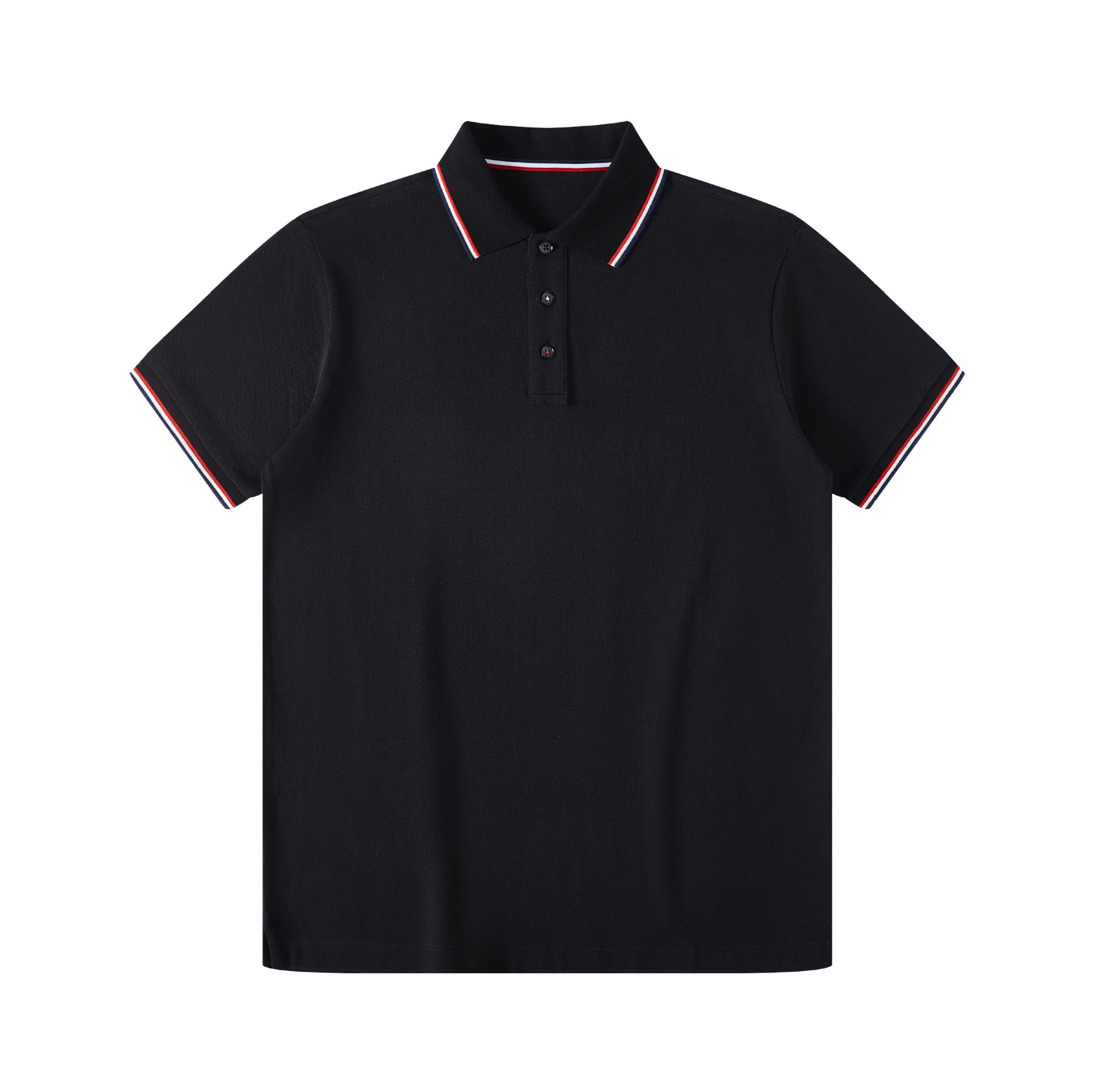
The right logo technique depends on the artwork and the garment together. A small chest mark on a polo and a large graphic on a T-shirt present different design questions. Start by deciding the appearance you want, then ask the manufacturer to assess the design on the actual fabric.
Baihui offers embroidery, digital printing, screen printing and heat transfer as customization options. The practical choice should be confirmed through a sample rather than made from the technique name alone.
Begin with the artwork
Provide the clearest available artwork, preferably in an editable format when you have one. Include the intended width and height, colour references and placement. Explain whether the logo contains fine lettering, gradients, large solid areas or small separated elements.
A technique that reproduces a bold symbol well may require changes to very small lettering. Ask the factory to flag details that need adjustment before preparing the sample. Keep a copy of the approved artwork alongside the garment specification.
Embroidery: review texture and small details
Embroidery creates the design with stitches and gives the logo a textured surface. It is an option to explore when you want that appearance on a polo or sweatshirt. In the sample, inspect the readability of lettering, stitch coverage, edge definition and the reverse side where the decoration may contact the wearer.
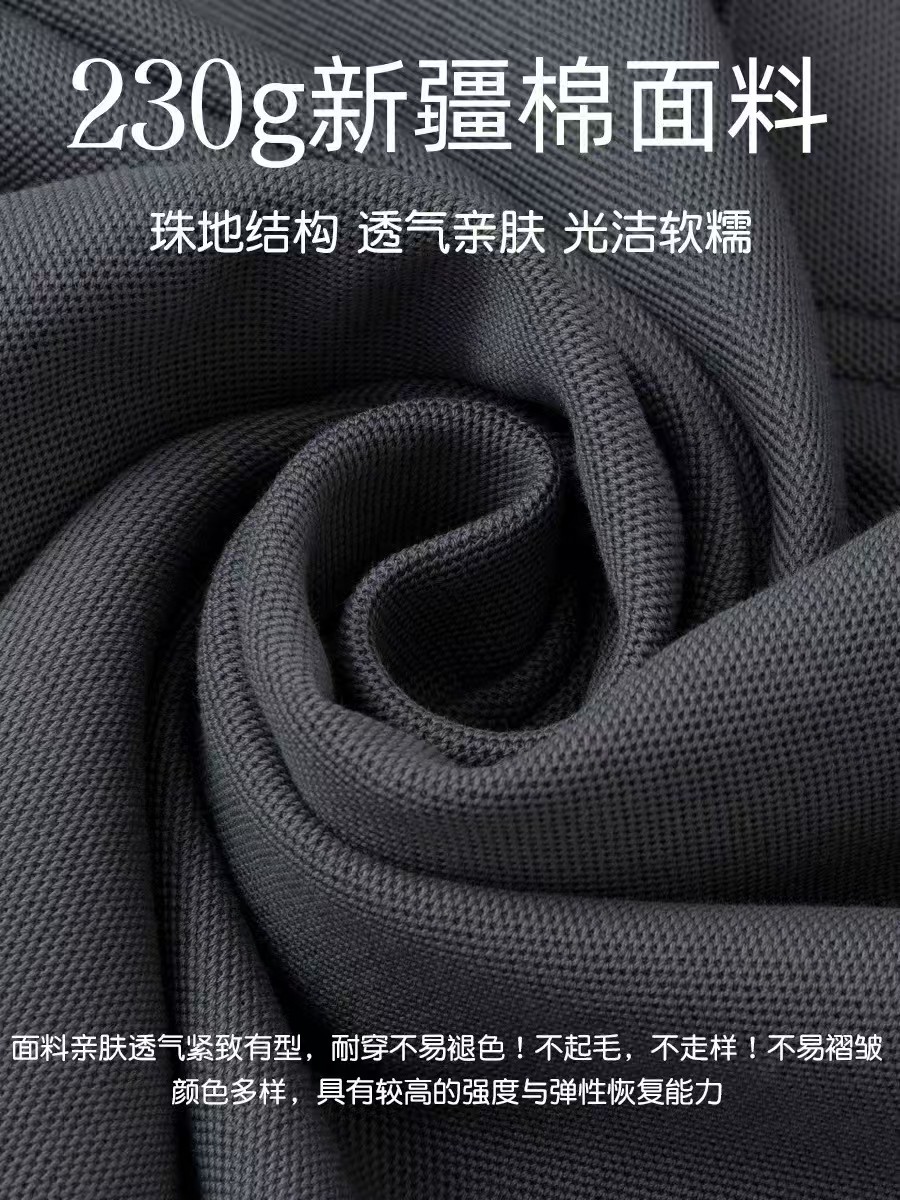
Check whether the surrounding fabric stays smooth and whether the decorated area feels appropriate for the garment. Do not assume that a design approved on a heavier fabric will look or feel identical on a lightweight T-shirt.
Screen printing: define colours and coverage
Screen printing is another route to assess for logos and graphics. Give the printer the actual colour breakdown and dimensions instead of relying on an image displayed on a phone. Request a sample that lets you judge the print edges, colour appearance and feel of the printed area.
When comparing quotations, keep the artwork size, number of placements and garment quantities consistent. Otherwise, the quoted options may describe different jobs.
Digital printing and heat transfer: specify the process
These terms cover different production methods, so ask which process is proposed for your fabric. For a multicolour graphic or detailed illustration, review a decorated sample for detail, colour and surface feel. Confirm the care instructions that apply to the finished combination of fabric and decoration.
For a sports T-shirt, include stretch and movement in the review. For a large front graphic, consider how the decorated area feels when worn. The sample should answer those questions before bulk approval.
Approve the complete garment
A separate logo swatch is helpful, but the finished garment shows the placement in context. Review the following points:
- Artwork version, dimensions and colour references.
- Placement measured from agreed garment reference points.
- Readability and edge definition at the actual size.
- Fabric appearance around the decorated area.
- Feel against the body and during movement.
- Appearance after the agreed care or wash review.
Prepare a comparable customization request
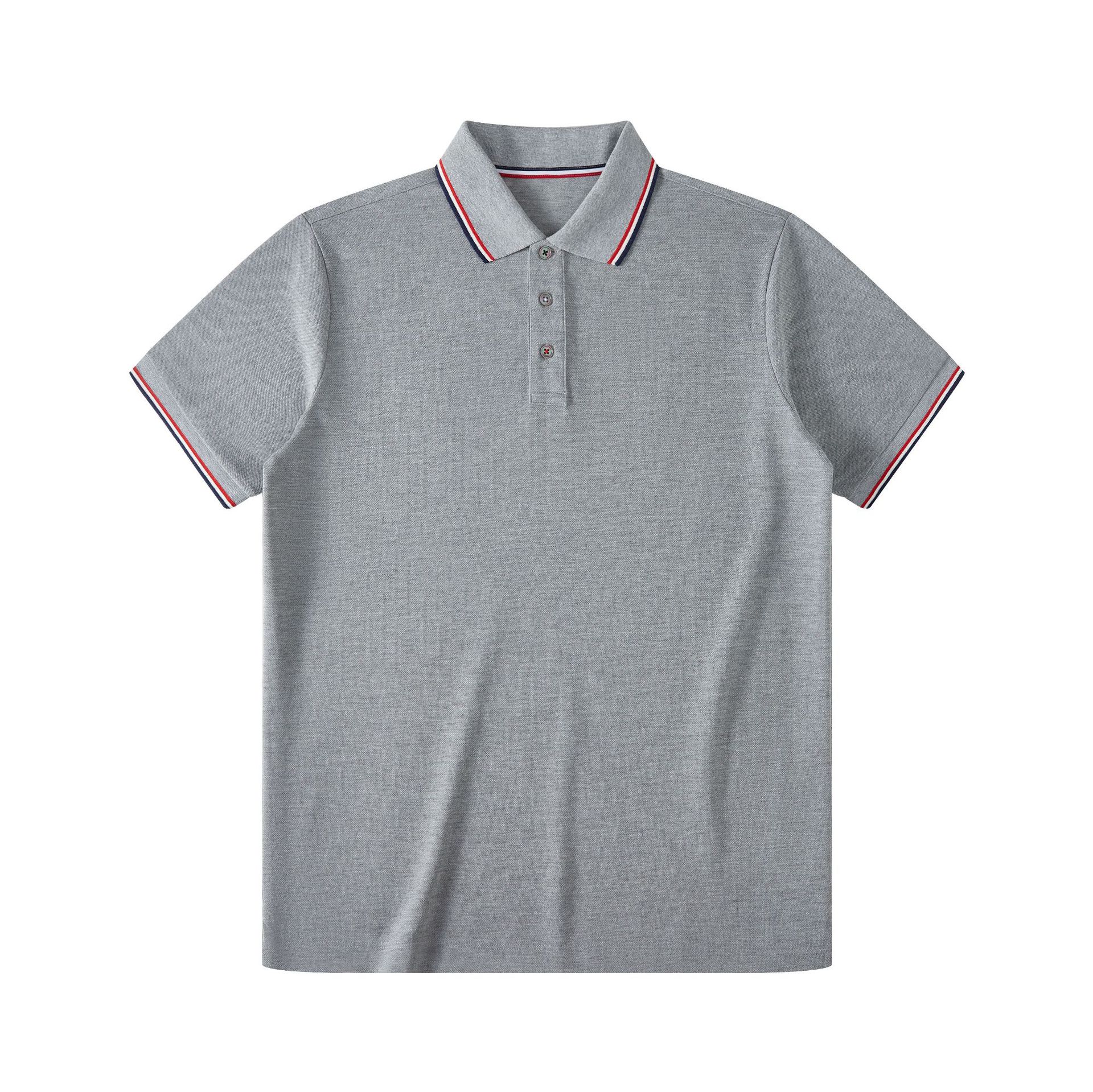
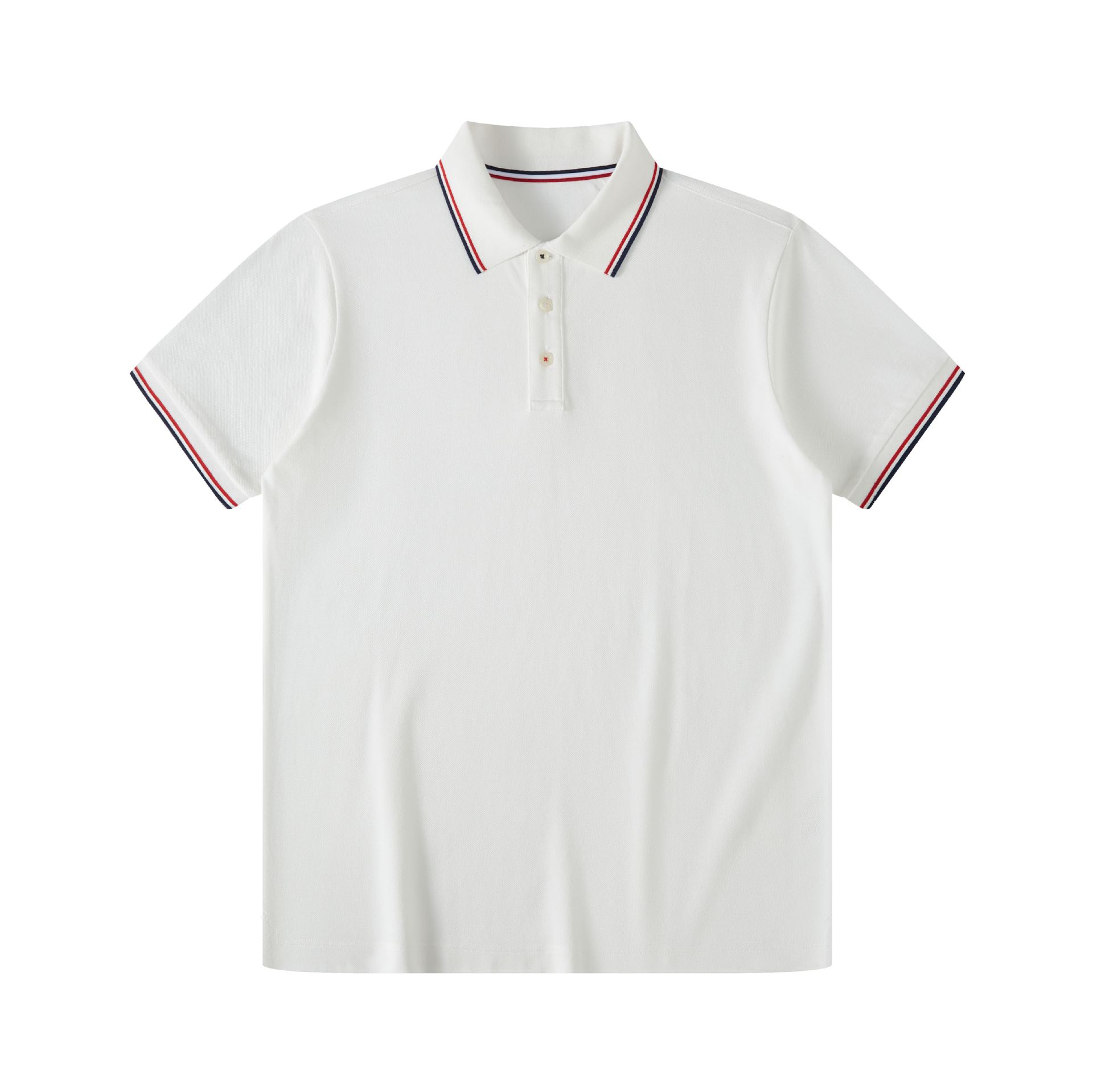
Send the same artwork, garment reference and quantity breakdown when requesting alternative decoration options. For example, use one selected cotton piqué polo as the base for comparing an embroidered chest logo with a printed version. This keeps the discussion focused on decoration rather than differences between garments.
Baihui can discuss decoration options alongside its T-shirt, polo and sweatshirt range. Share the logo file and intended garment first, then use the decorated sample to settle the final specification.