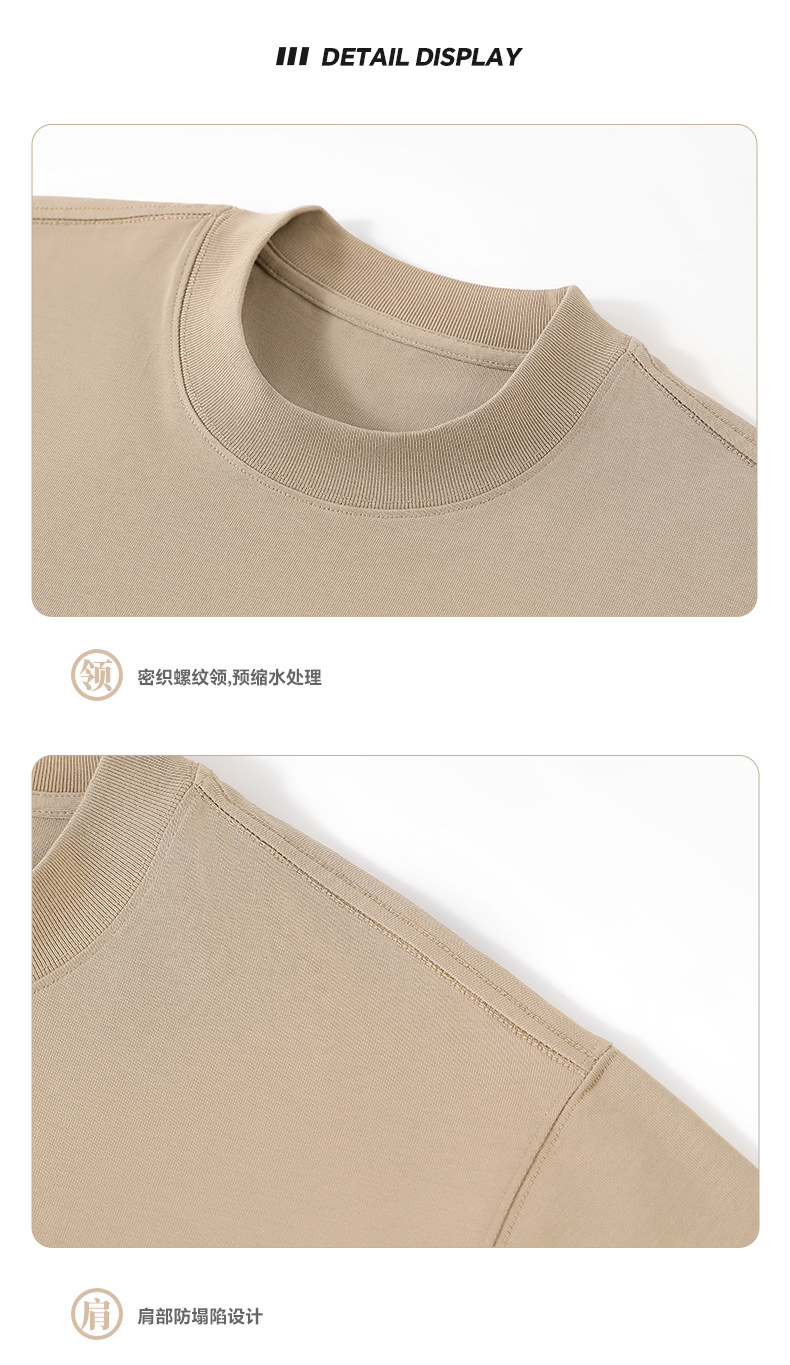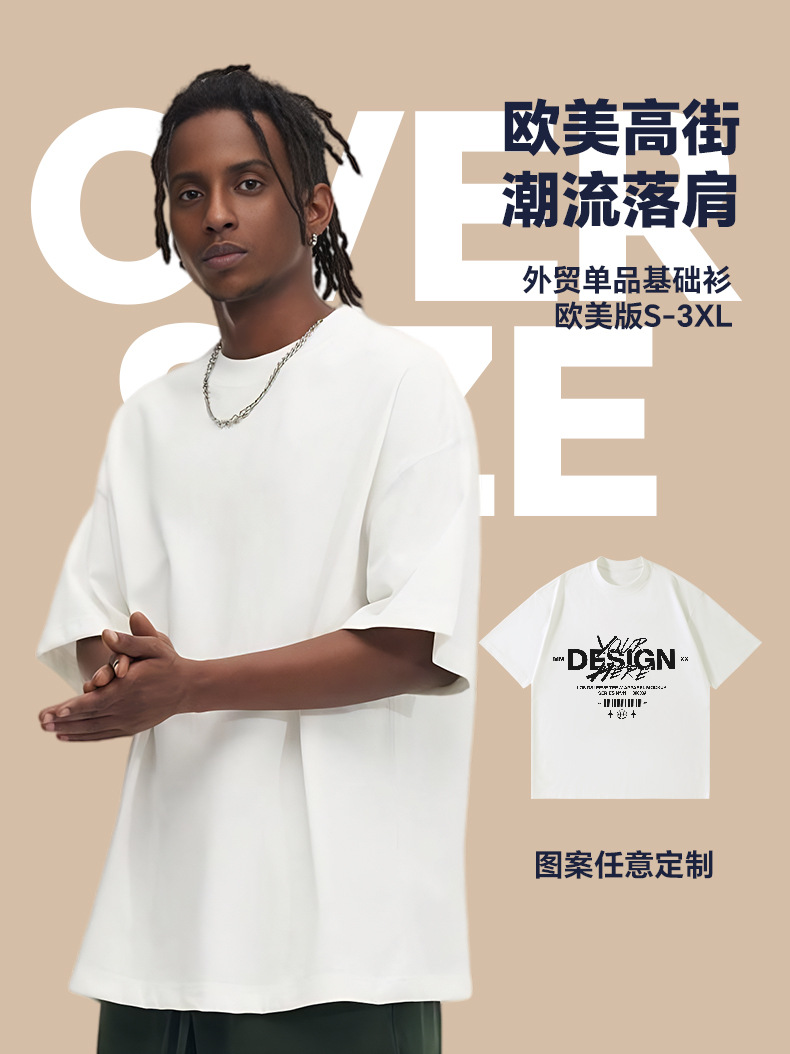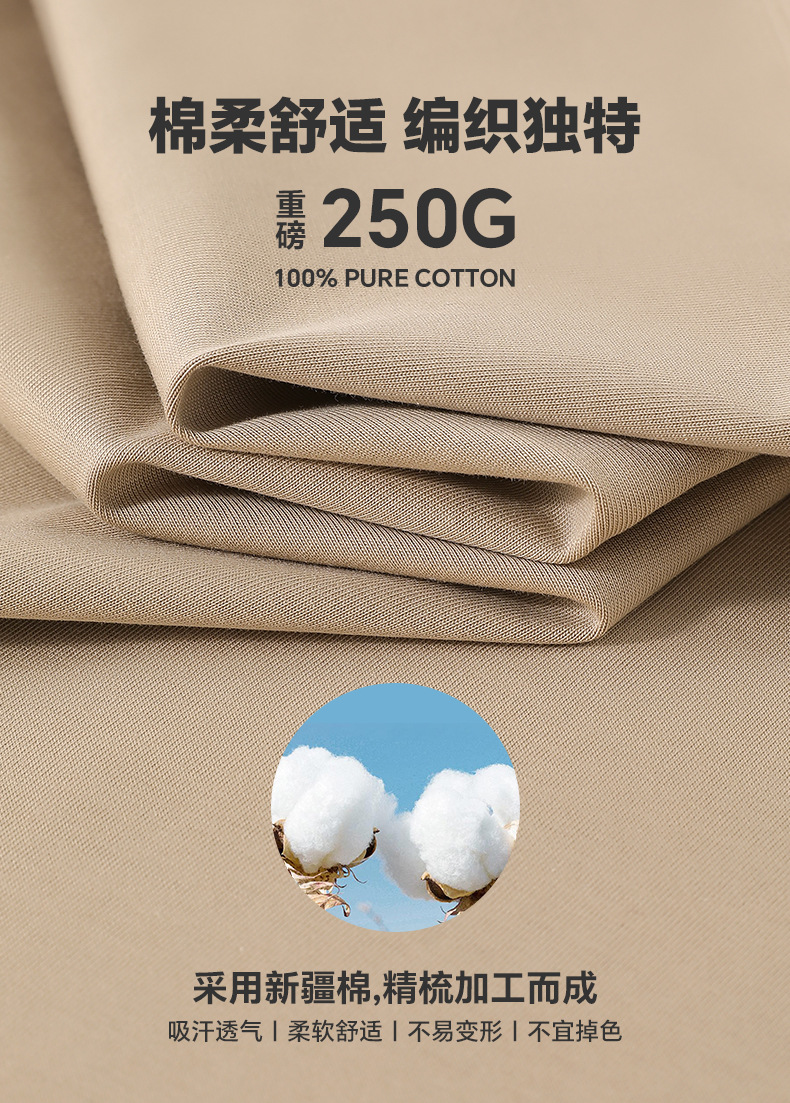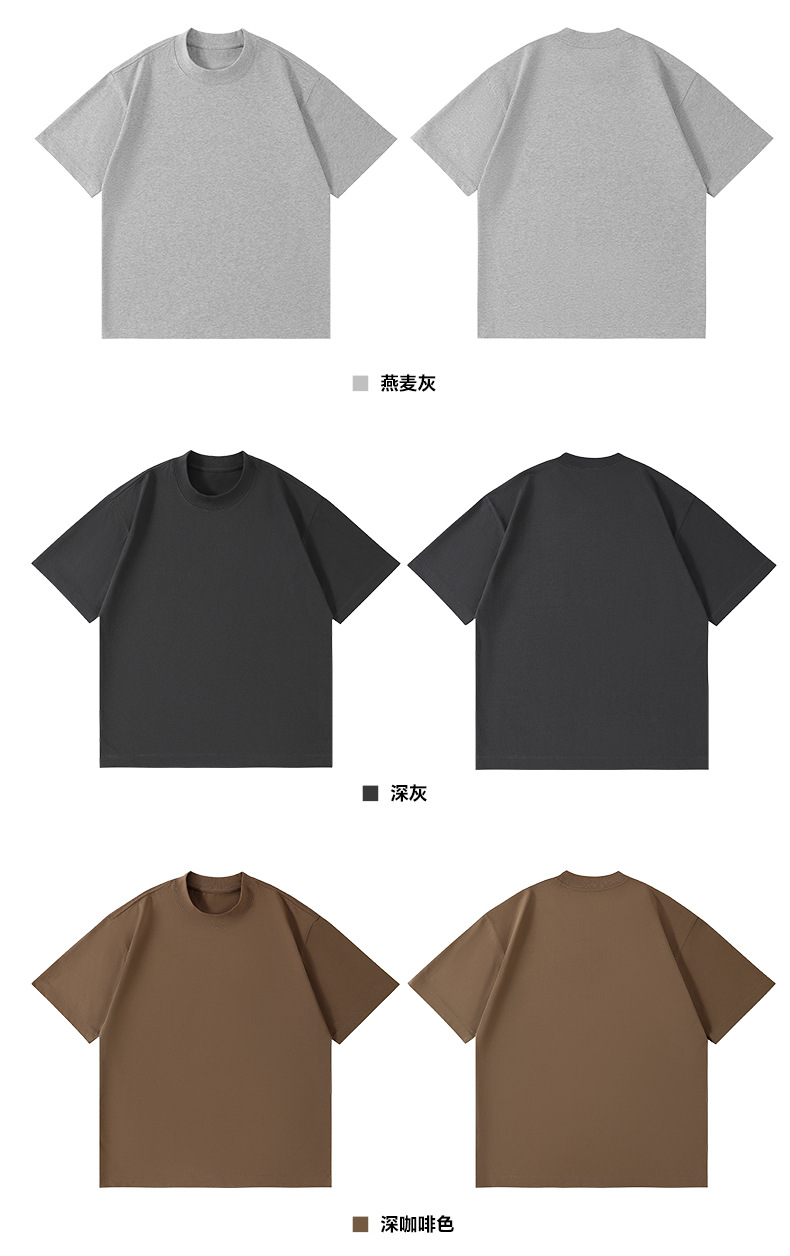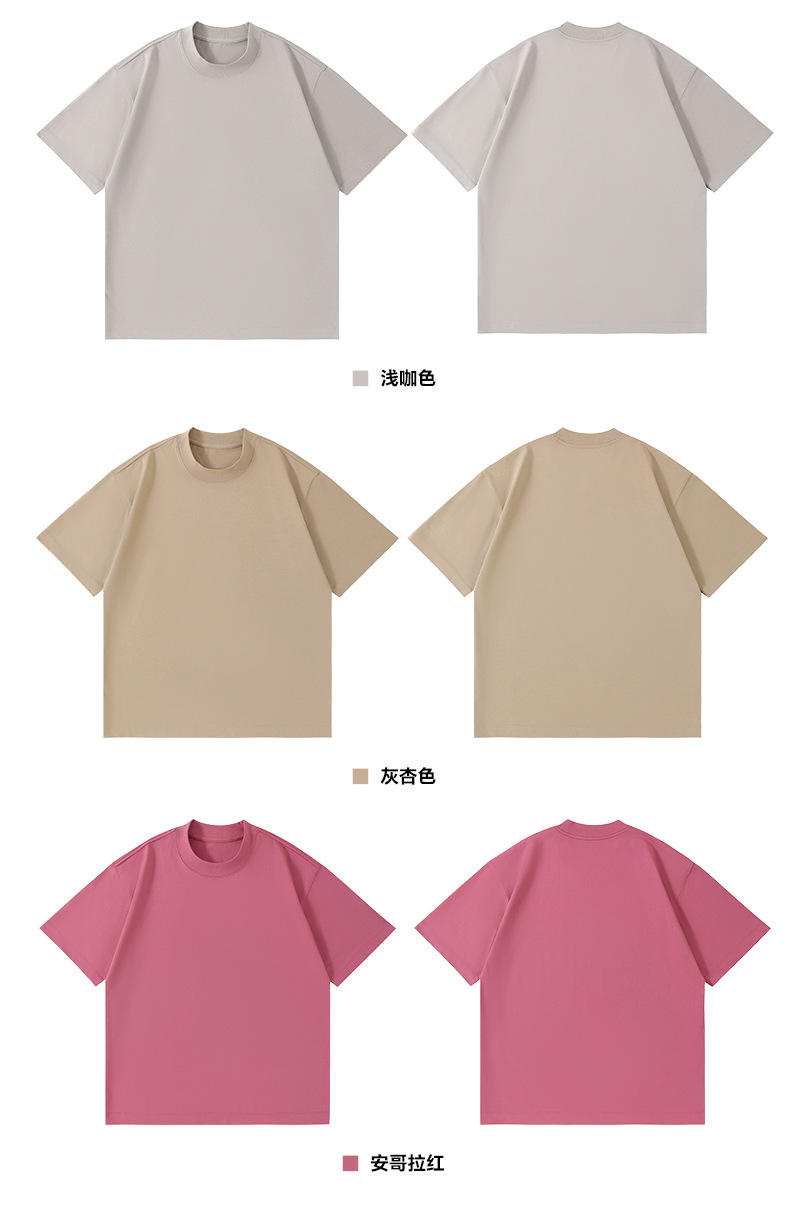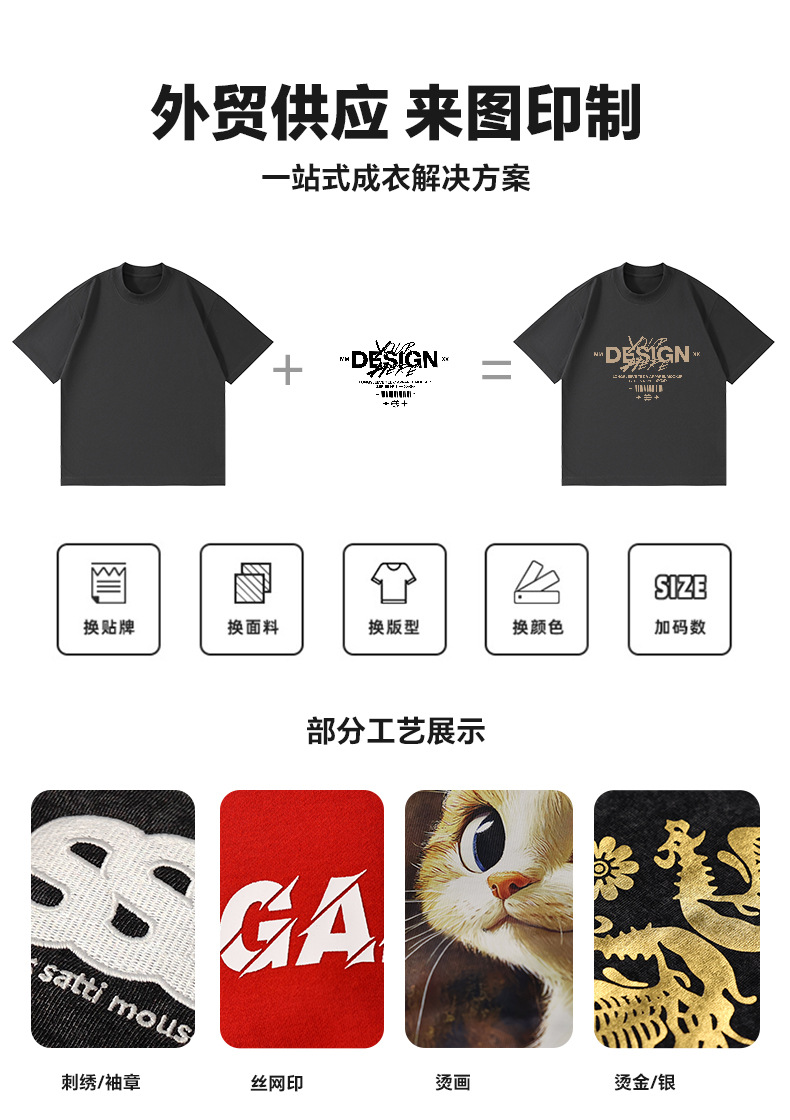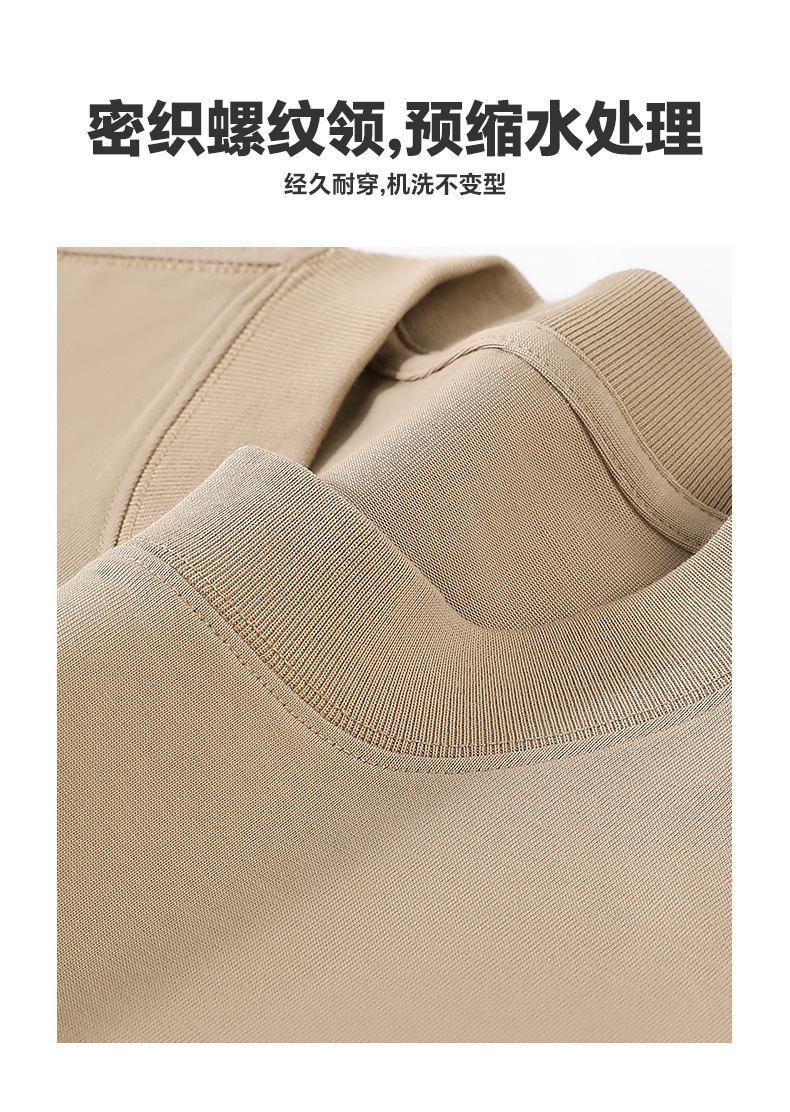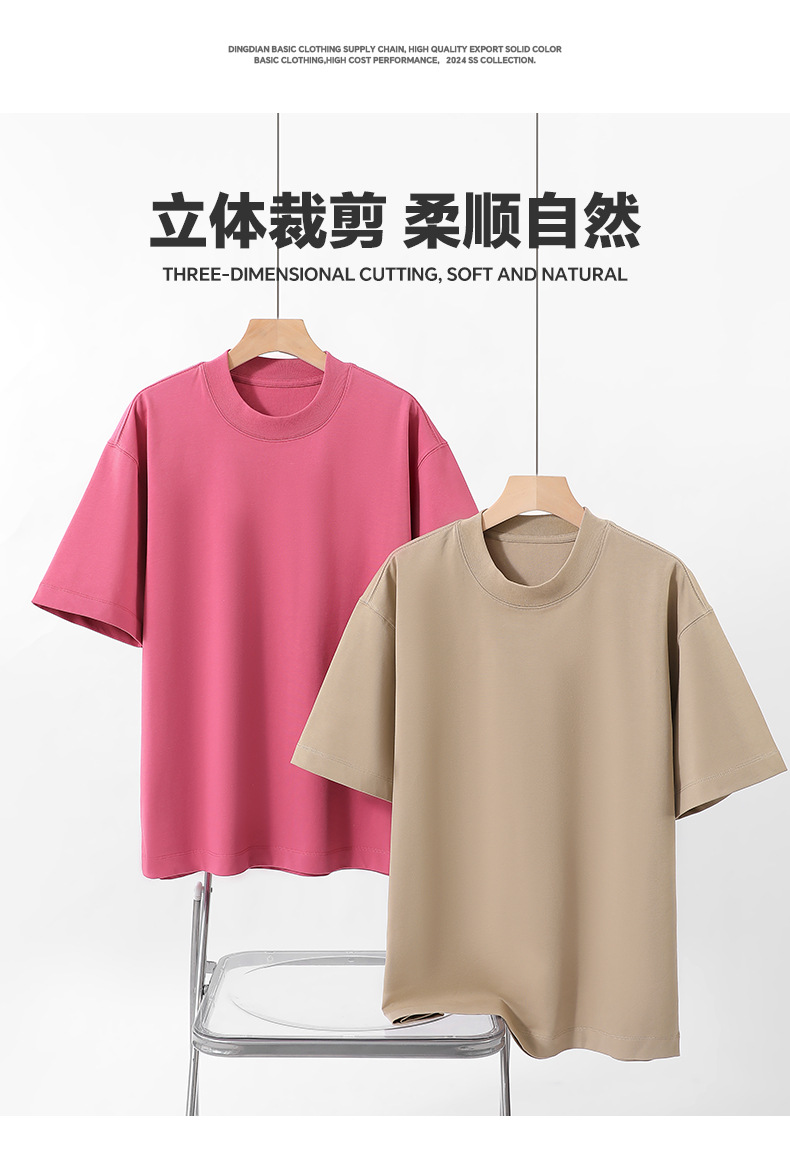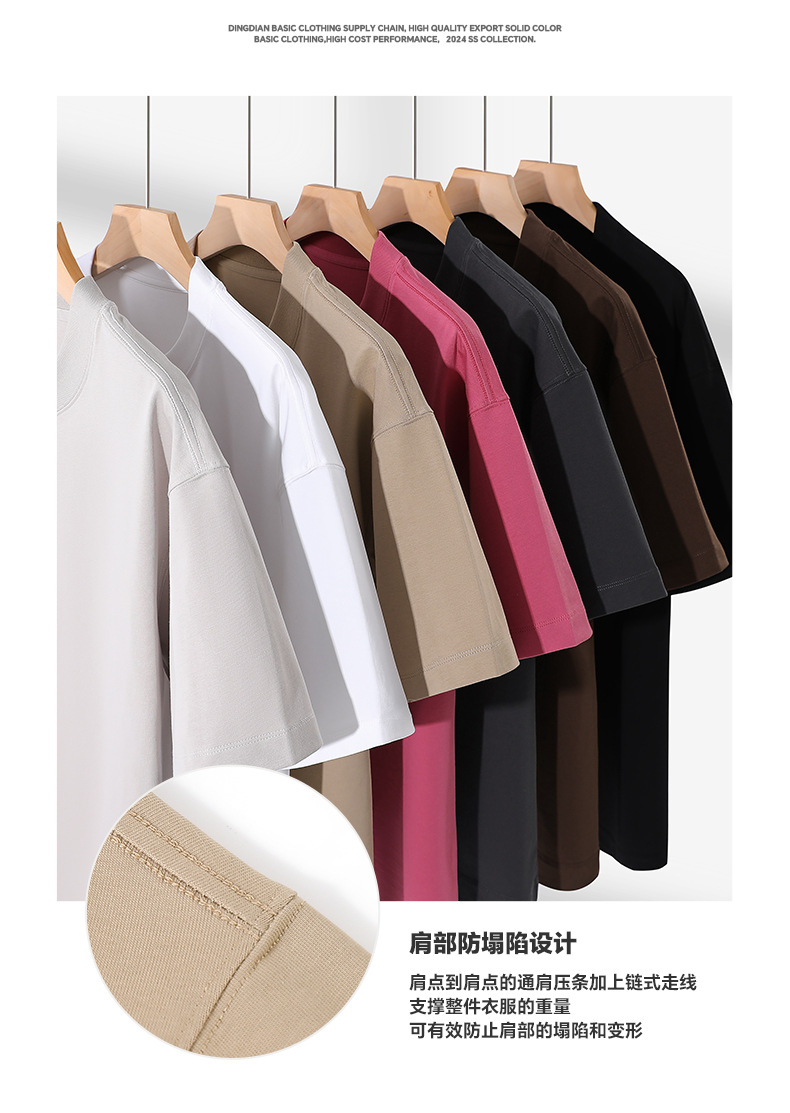
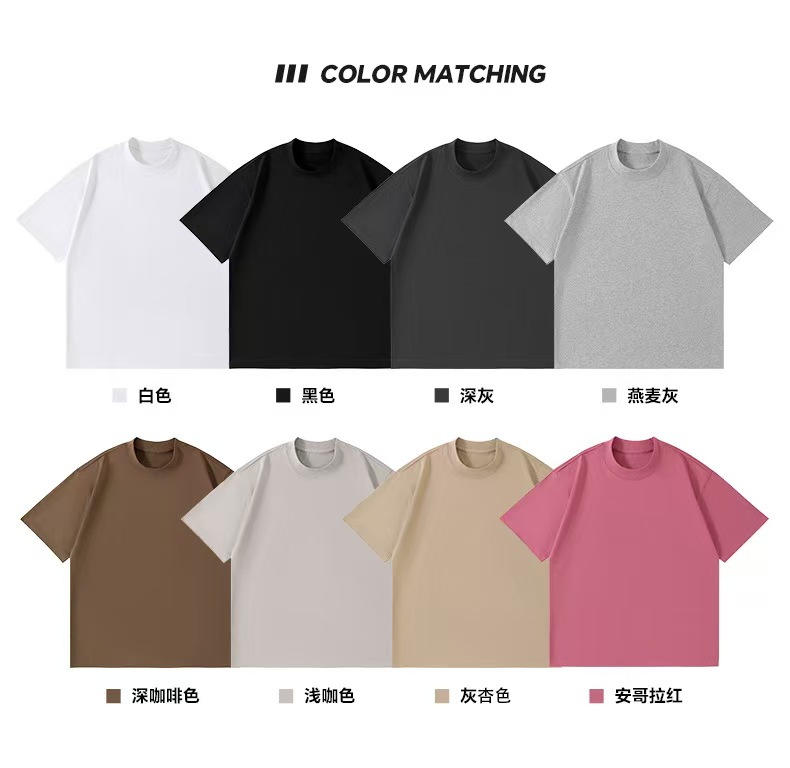
A sample is most useful when it answers specific questions. Before asking a factory to make one, decide what you need to confirm: the fit, fabric, logo application, construction or the complete product. A clear sampling brief gives the manufacturer a reference and gives your team a consistent way to evaluate the result.
Use this checklist when preparing a custom T-shirt, polo or sweatshirt project.
Describe the sample's purpose
Explain whether you are reviewing an existing style, developing a new fit or checking a decorated version of an approved garment. If some materials are temporary substitutes, identify them in writing and state which decisions can be made from that sample. A fit review in a substitute fabric should not be treated as approval of the final fabric's colour or hand feel.
Prepare the garment specification
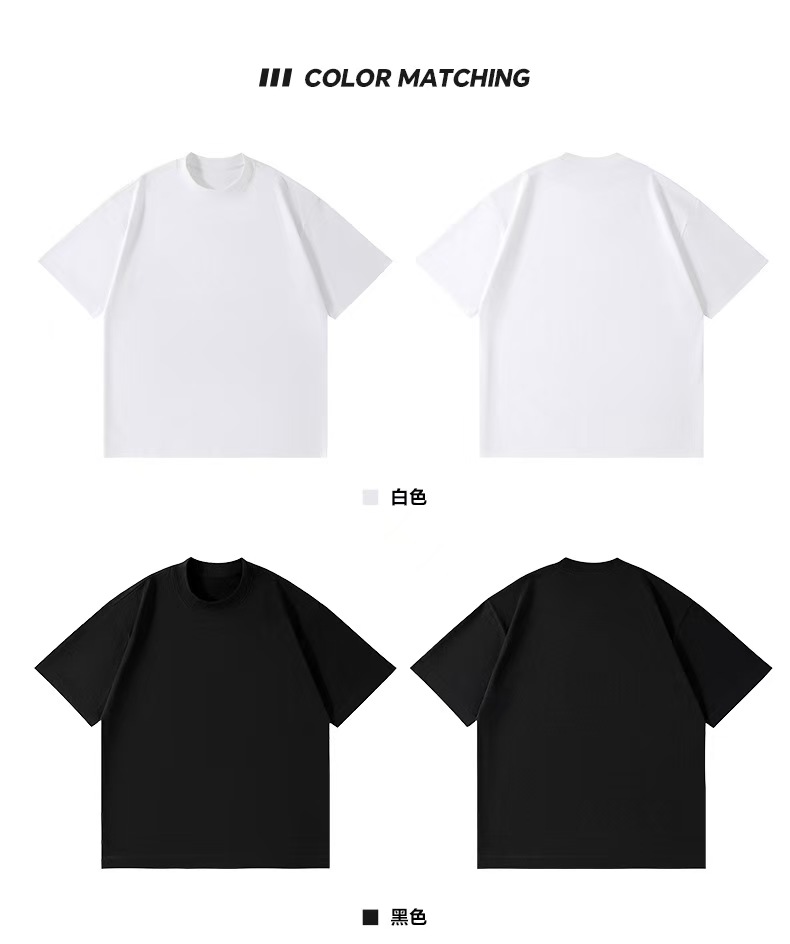
Provide front and back references, the garment type and the details that matter to your design. For a T-shirt, that may include neckline, sleeve shape and body length. For a polo, describe the collar, placket and cuffs. For a sweatshirt, clarify the hood, zipper, pockets and ribbed sections where applicable.
- Fabric composition, knit structure and target fabric weight.
- Colour reference and any required finishing treatment.
- Sample size and measurement chart.
- How each measurement is taken.
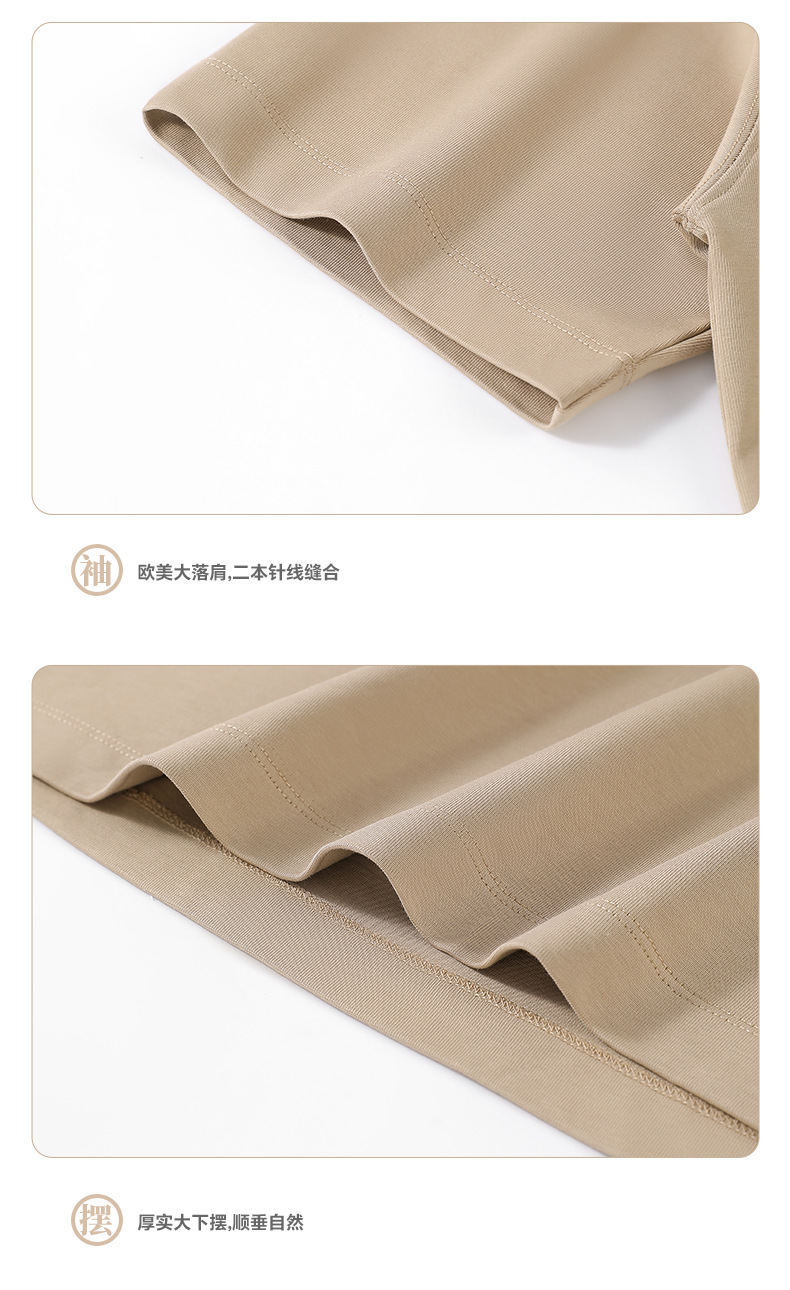
- Construction details that differ from the reference style.
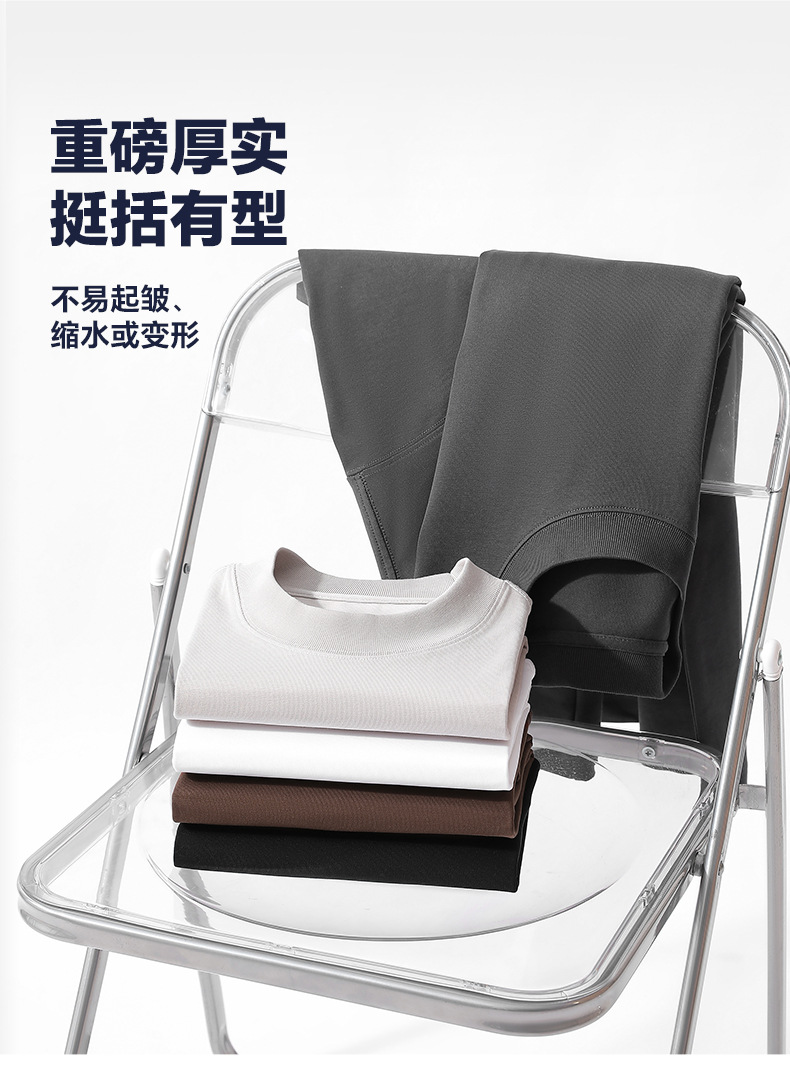
Baihui's range spans lightweight quick-dry sports T-shirts, cotton T-shirts, piqué polos and French terry or fleece-lined sweatshirts. Refer to the selected style by name and fabric weight so that similar-looking products are not confused.
Attach artwork and branding requirements
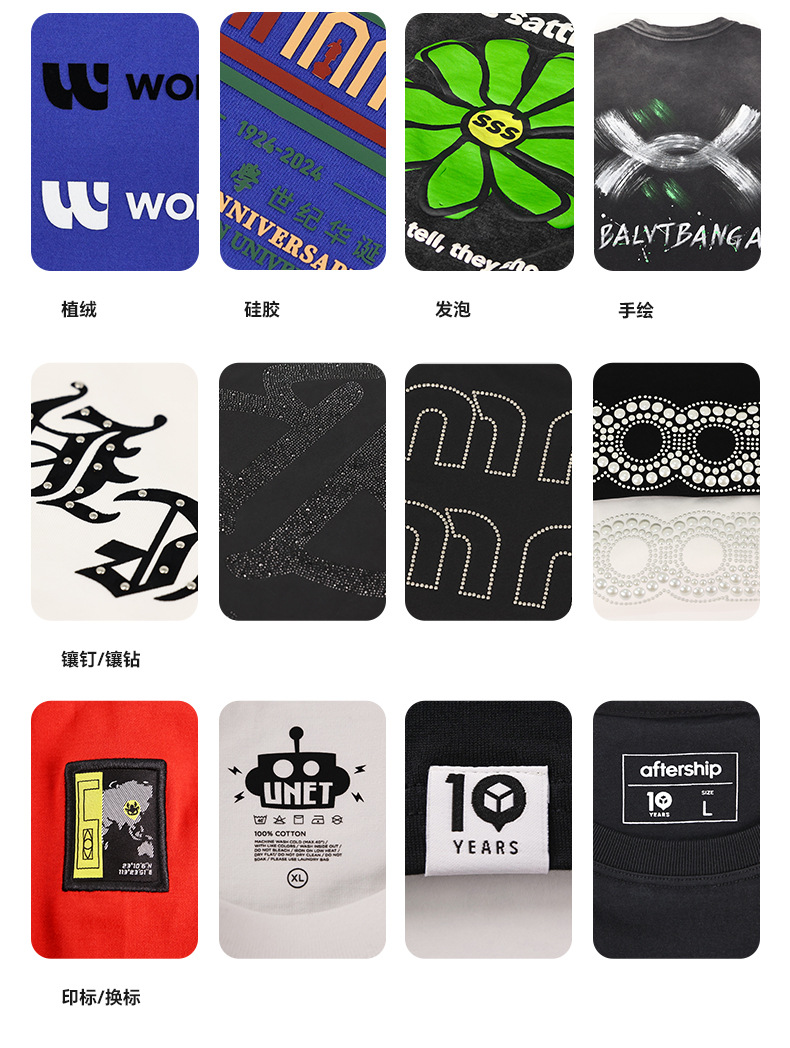
Supply the artwork file, finished logo dimensions and placement instructions. Include neck labels, care labels, hangtags or packaging details if they are part of the sample request. Mark unfinished artwork as provisional so it cannot be mistaken for the production version.
If you want to compare embroidery with printing, make that an explicit sampling objective. Ask what sample versions are needed to make a fair comparison and confirm any associated charges before proceeding.
Explain the intended order
Share estimated quantities by style, colour and size, together with the target delivery window. Identify which figures are estimates and which are firm. Ask the factory to confirm sample timing, material availability, minimum quantities and the proposed production schedule for your requirements.
A target date alone does not establish a delivery commitment. Record the agreed timing and the approvals or materials it depends on.
Review and record the result
Measure the sample using the agreed method. Photograph the front, back and any detail that needs attention. Review fit on the intended wearer or an agreed fit reference, and compare the fabric and decoration against the brief. Where care performance is important, document the agreed wash review and its results.
Put feedback in one revision sheet. Each comment should identify the location, describe the issue and state the requested change. For example, “reduce the body length by 2 cm from the current sample” is more actionable than “make it shorter.” This is an illustration, not a suggested measurement for your product.
Close the approval loop
Keep a dated record of what was approved and what still needs revision. Before production, make sure the factory and buyer hold the same specification and sample reference. Confirm whether changes require another physical sample.
To prepare a sampling discussion with Baihui, send your reference garment, specifications, artwork and estimated order breakdown together. This gives the team the information needed to discuss the next development step.