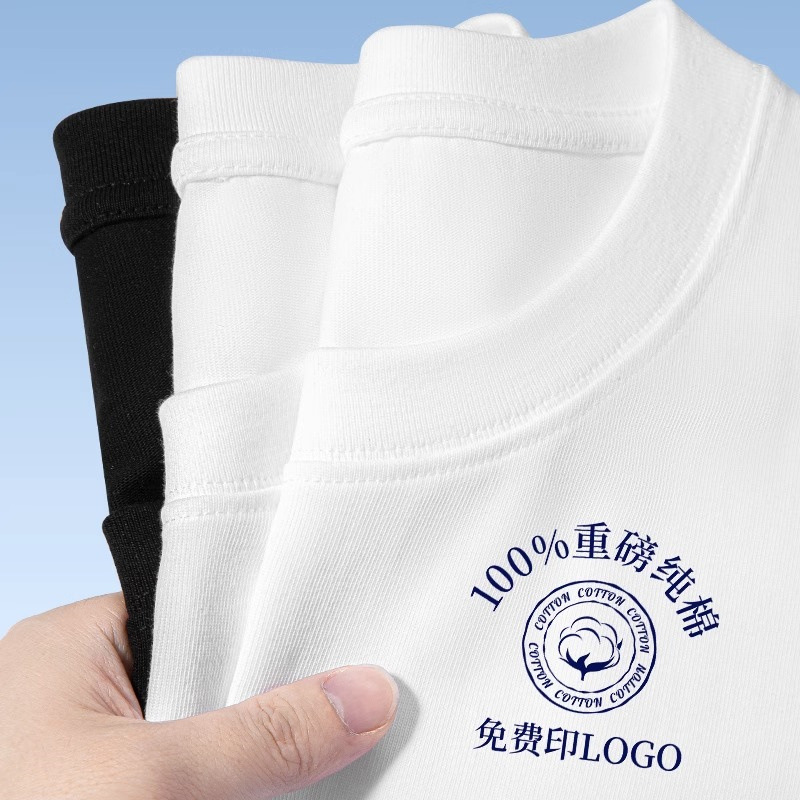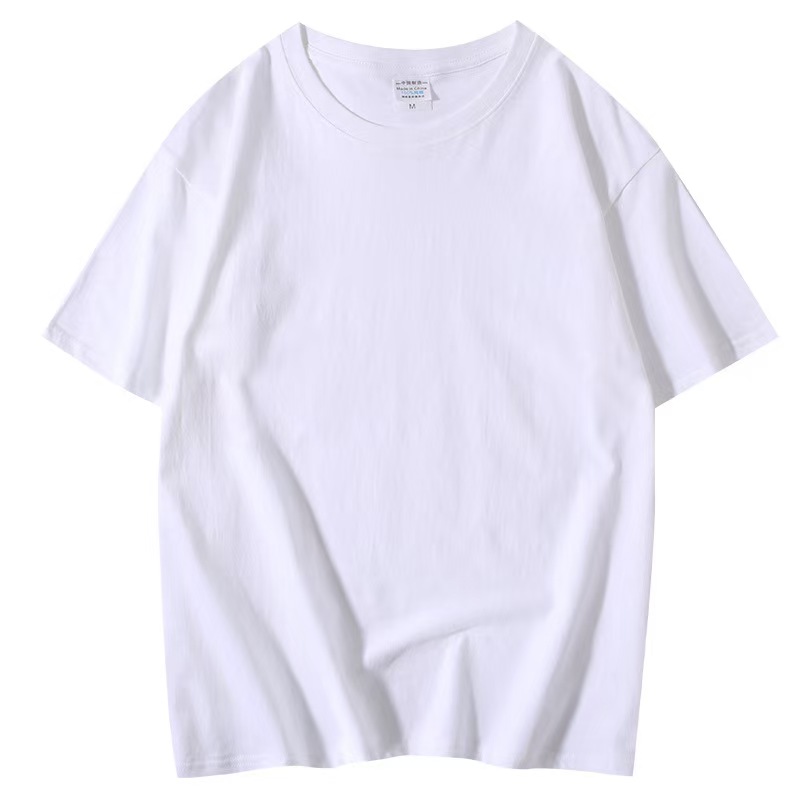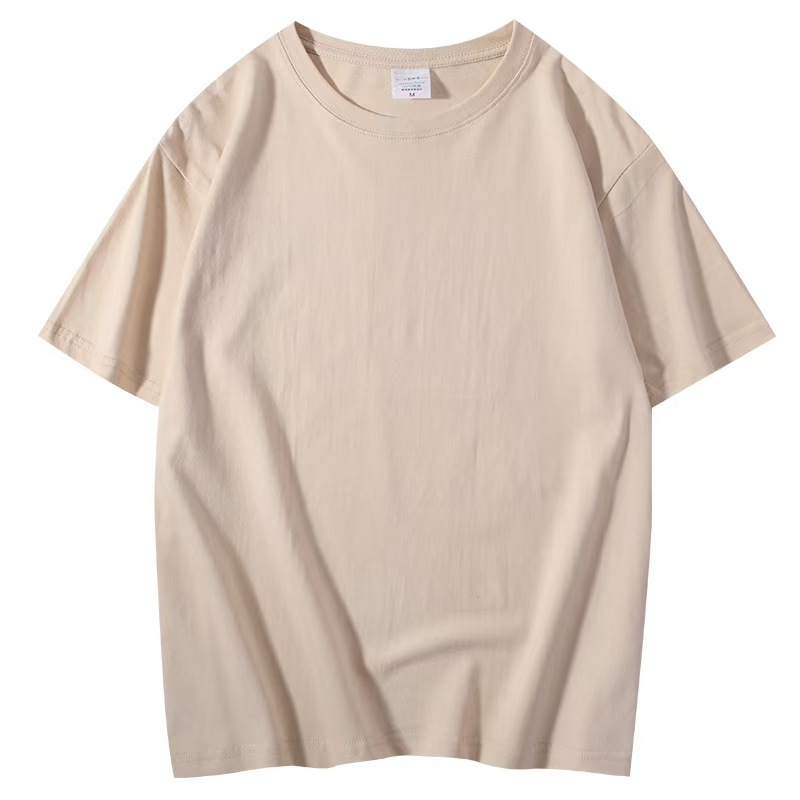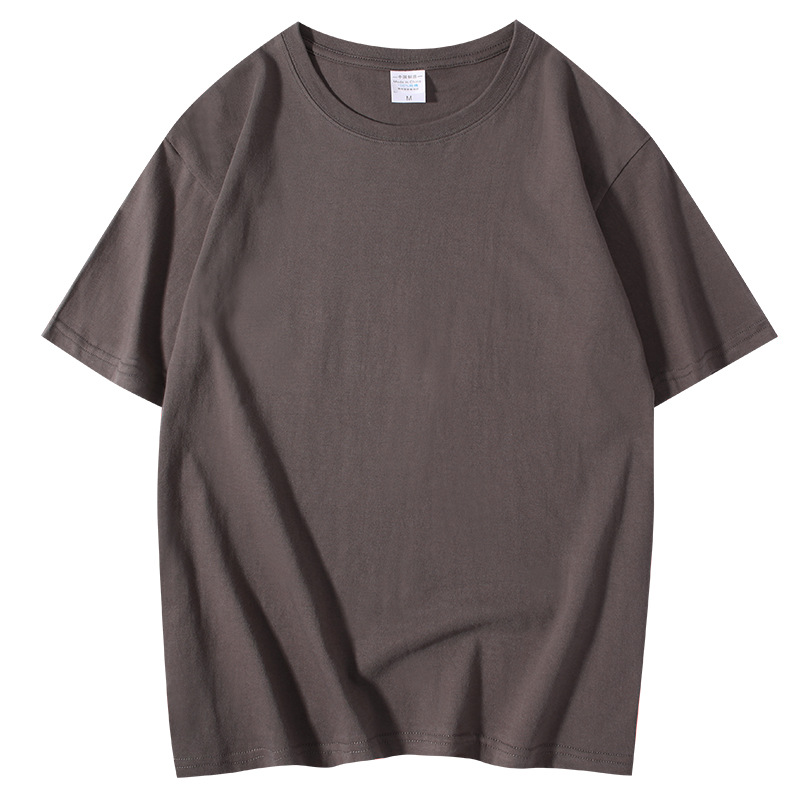

Choosing a manufacturing partner is one of the few sourcing decisions that is difficult to reverse once production has started. A factory can look convincing on a website and still be the wrong fit for your product, your quantities or your quality standard. A short, structured evaluation before you commit removes most of that risk.
This guide sets out what to check when comparing knitwear manufacturers for T-shirts, polo shirts and sweatshirts, and what to ask so that the answers can be verified rather than assumed.
Start with the product you actually need
Manufacturers specialise. A factory that produces excellent basic cotton T-shirts may not be the right partner for heavyweight fleece sweatshirts, and a supplier with strong embroidery capability is not automatically a good match for large-area screen printing. Define your requirement before you compare anyone.
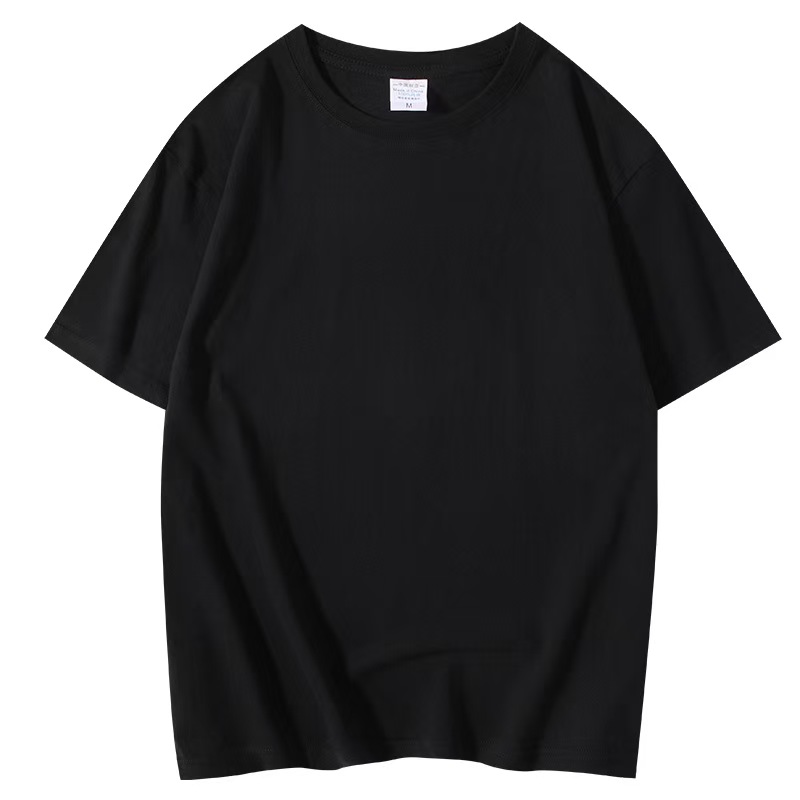
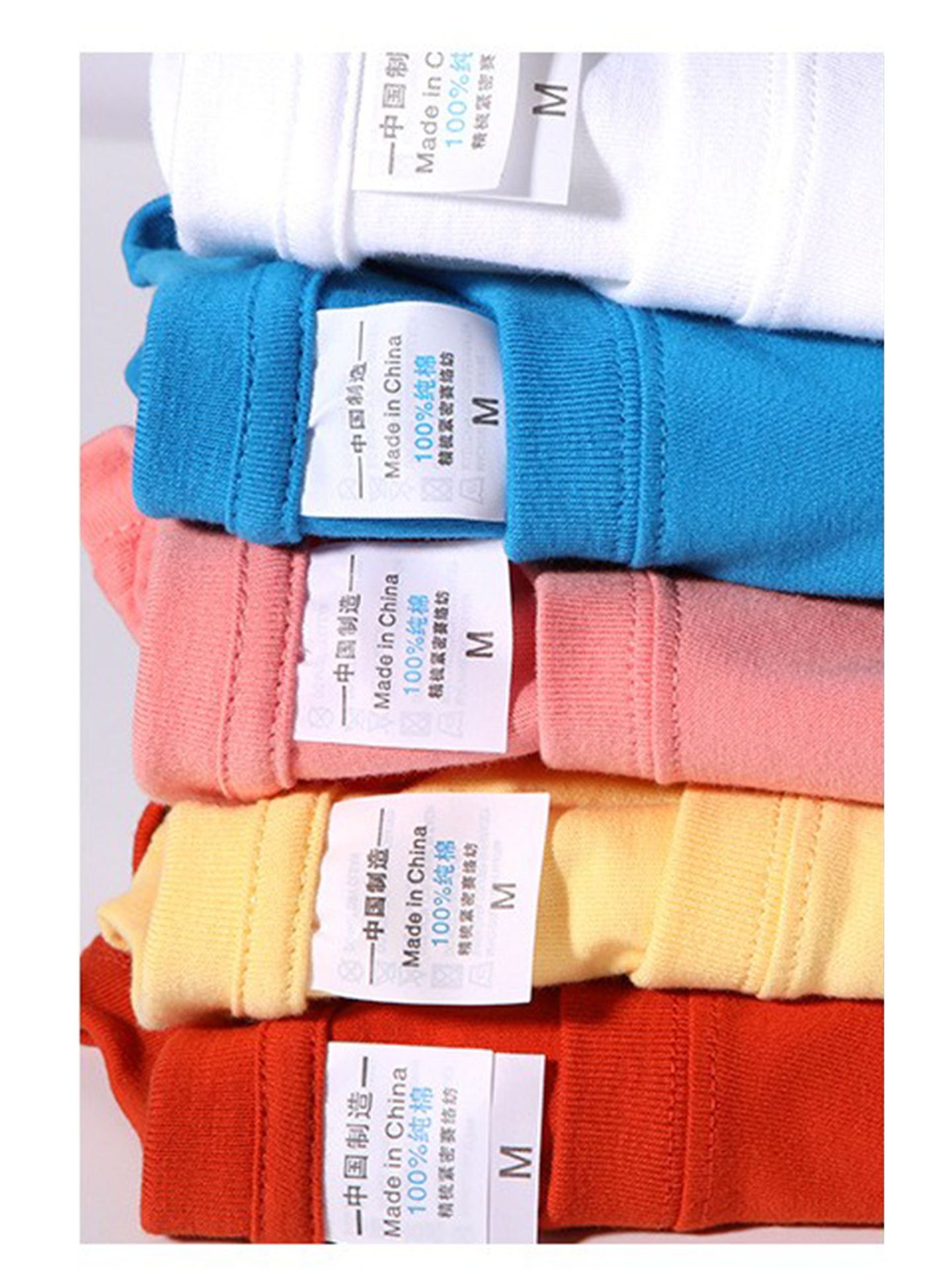
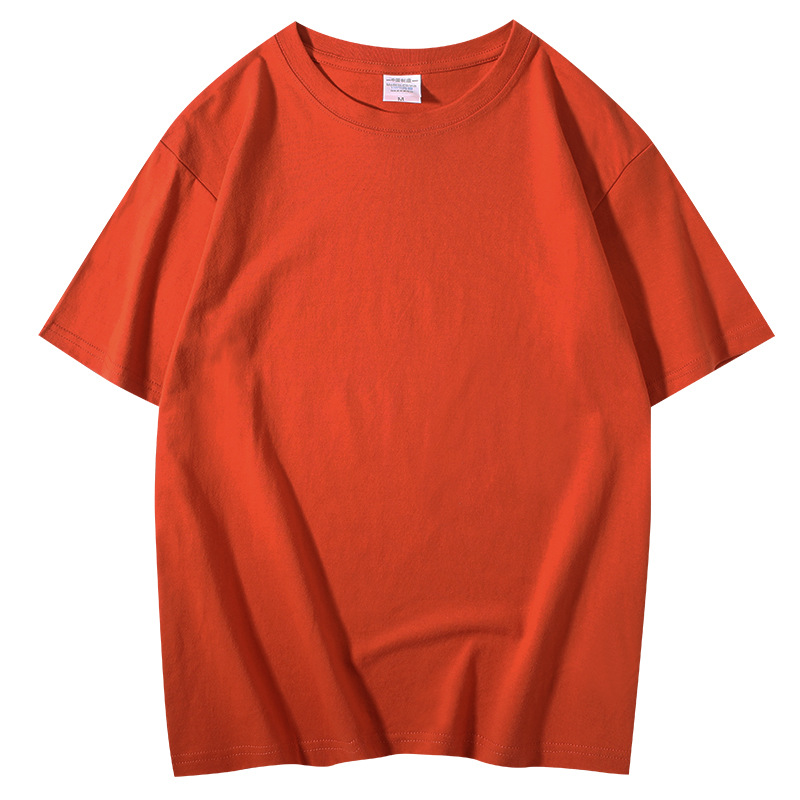
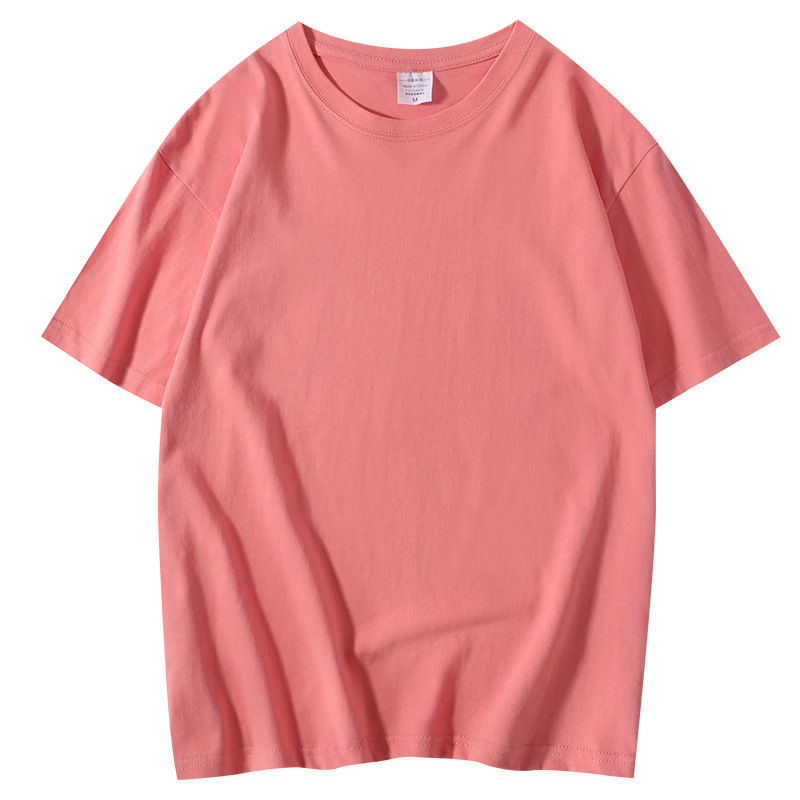
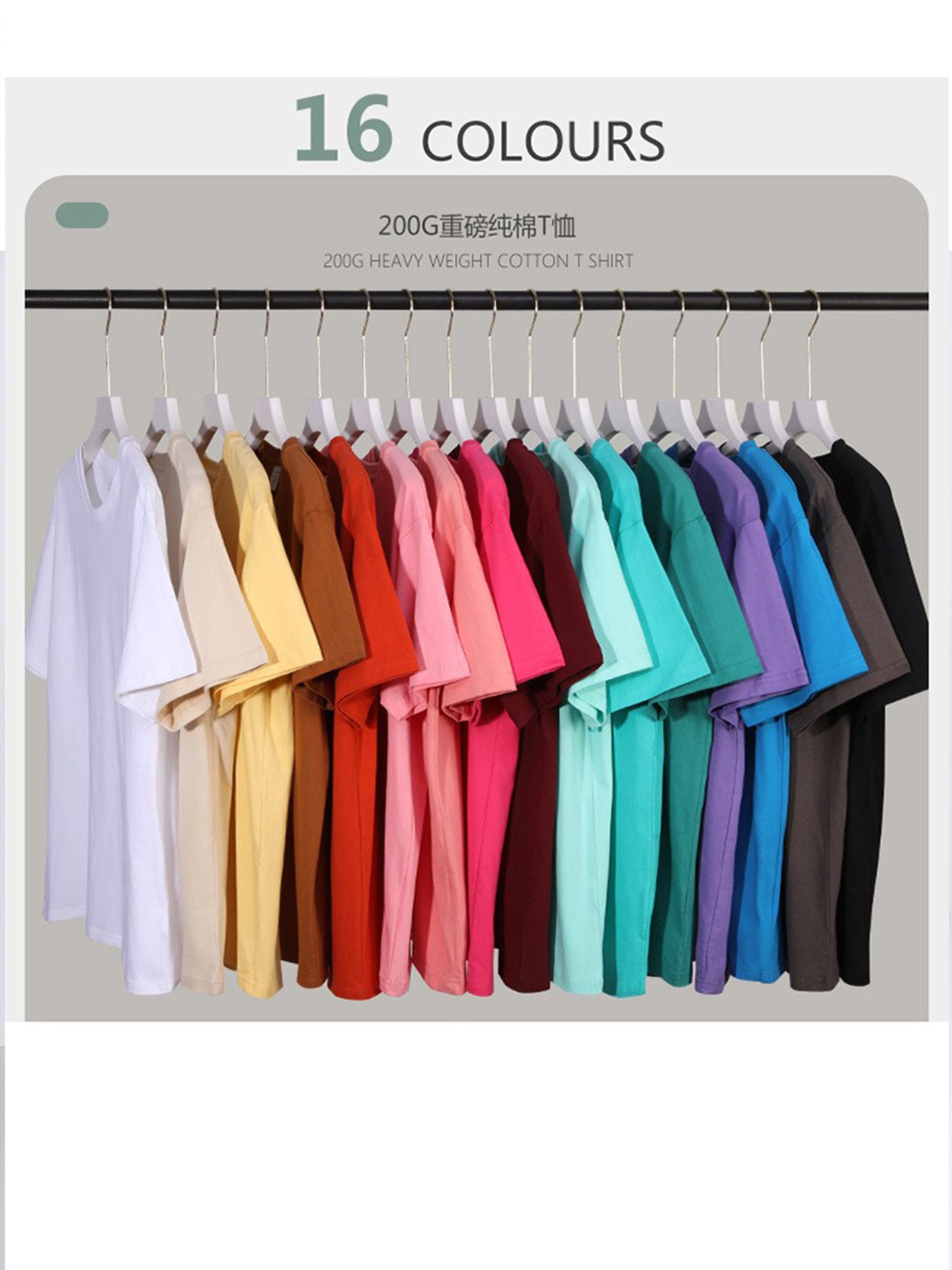
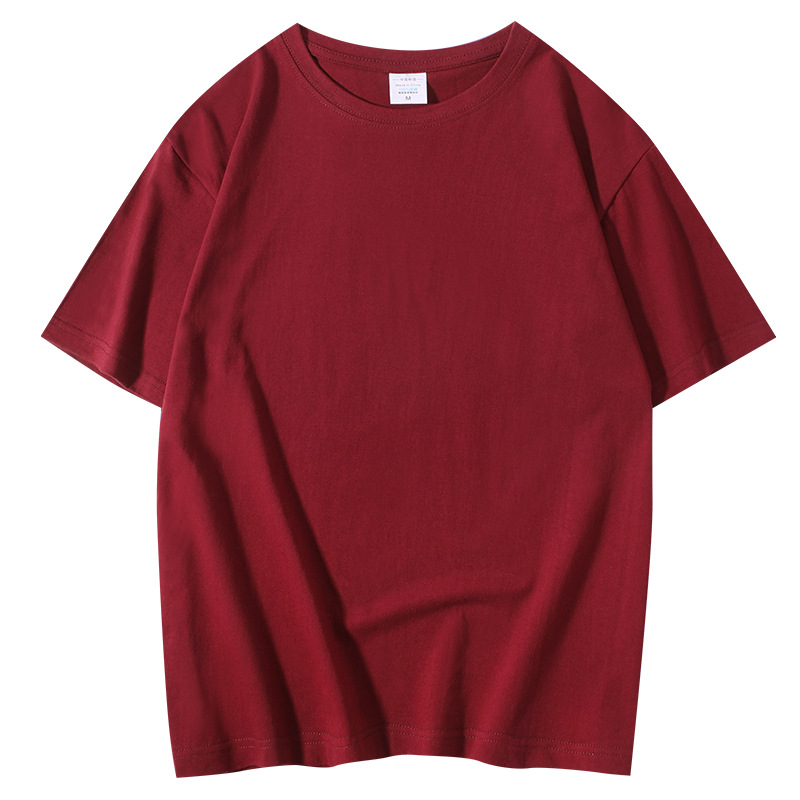
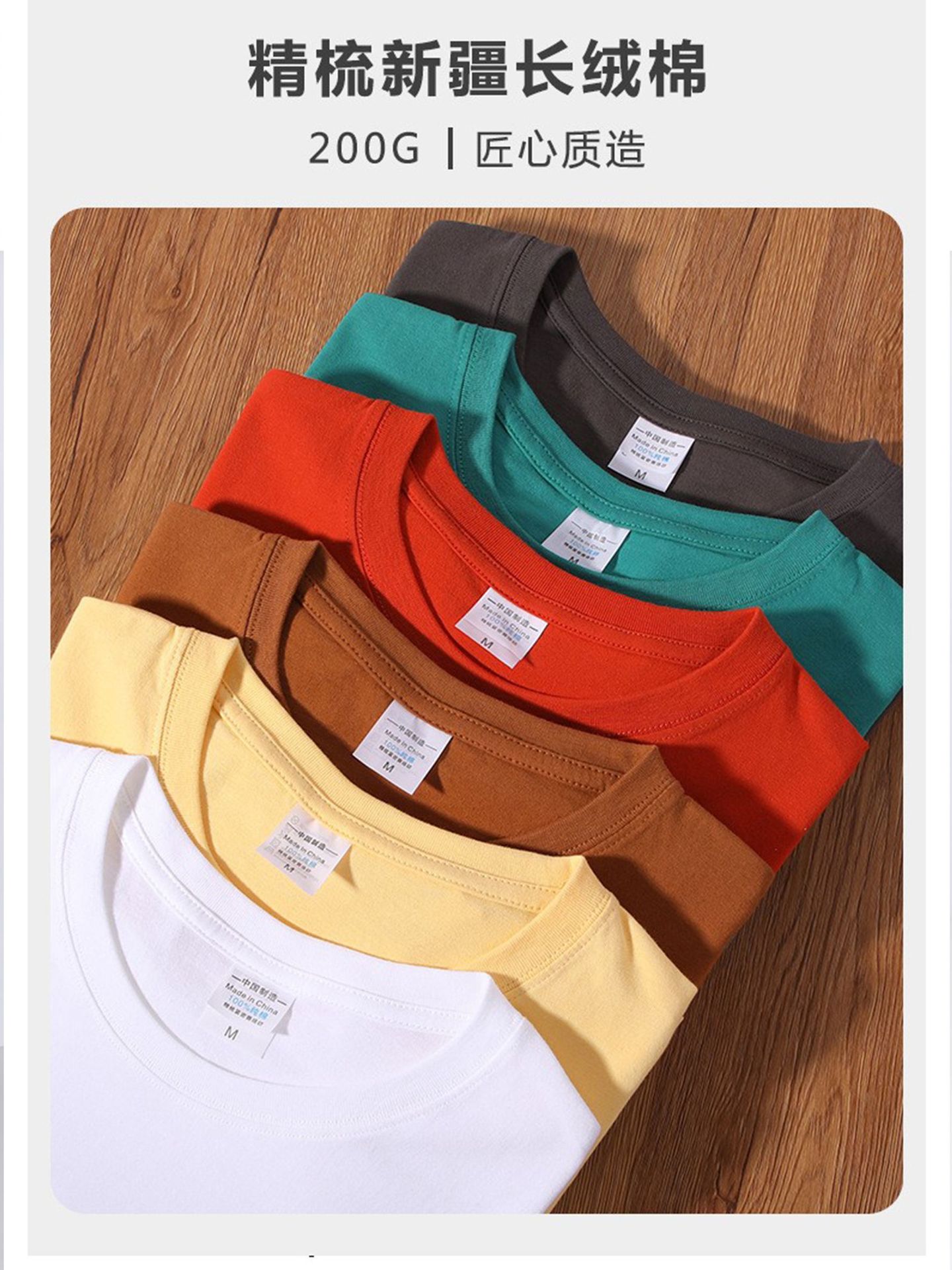
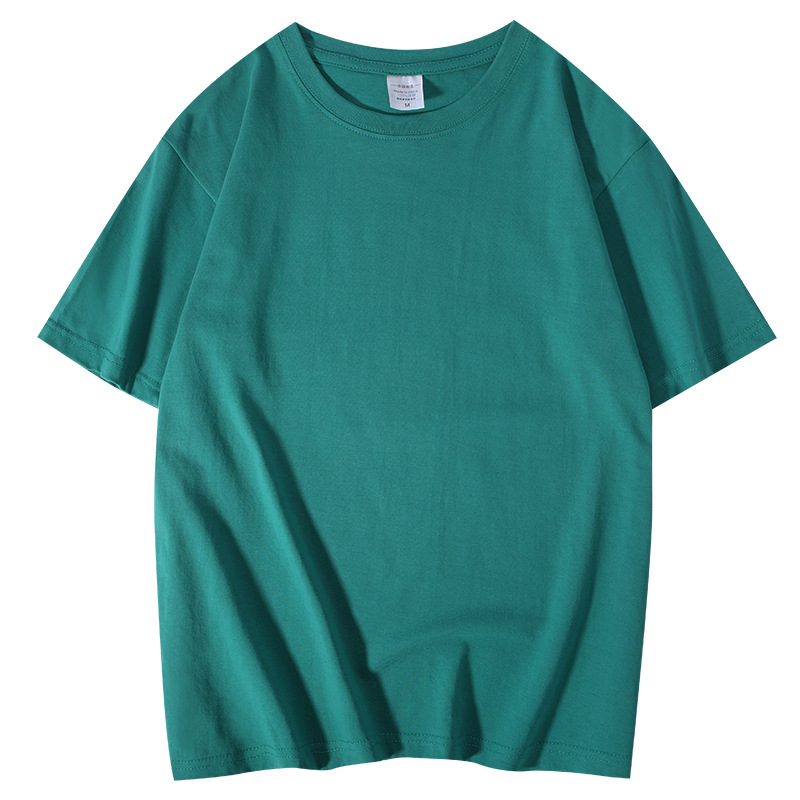
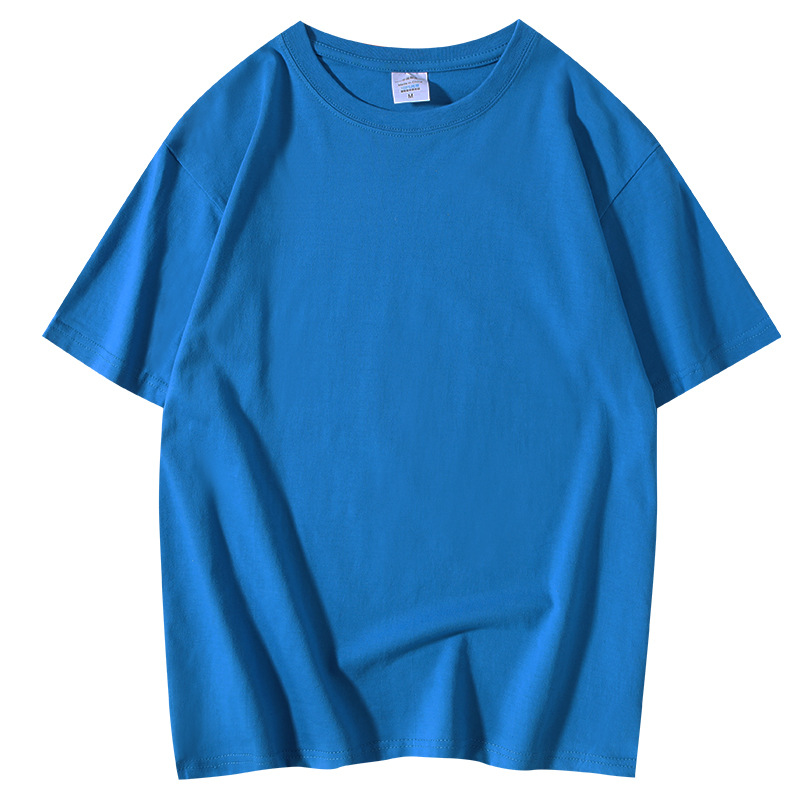
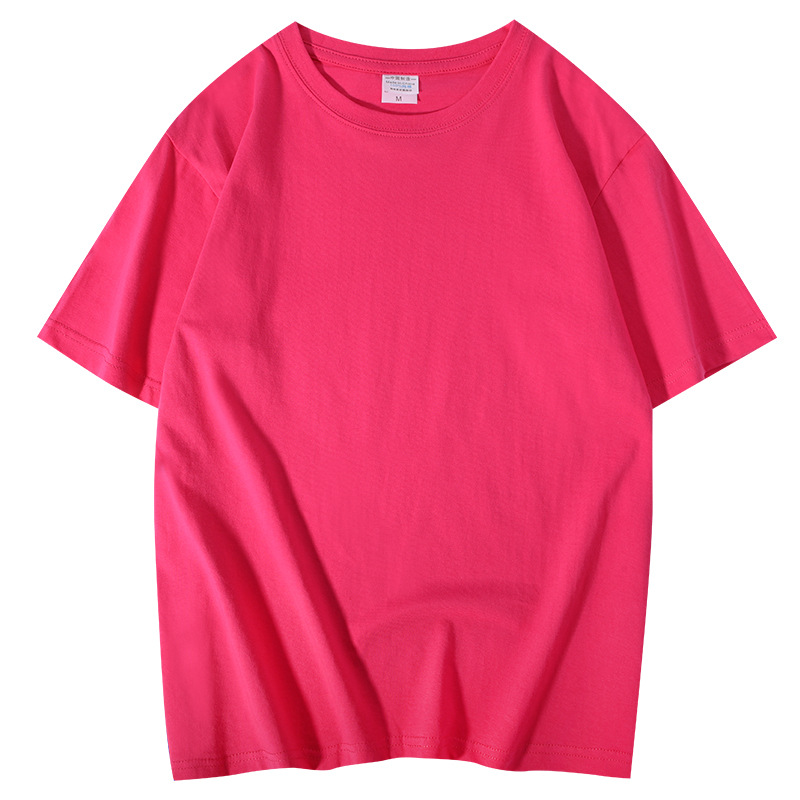
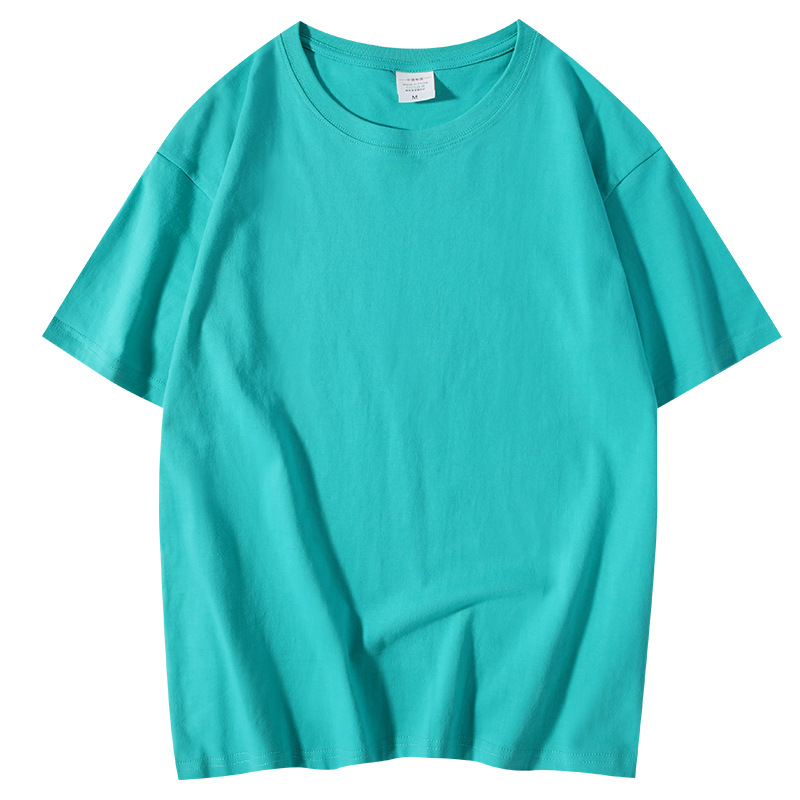
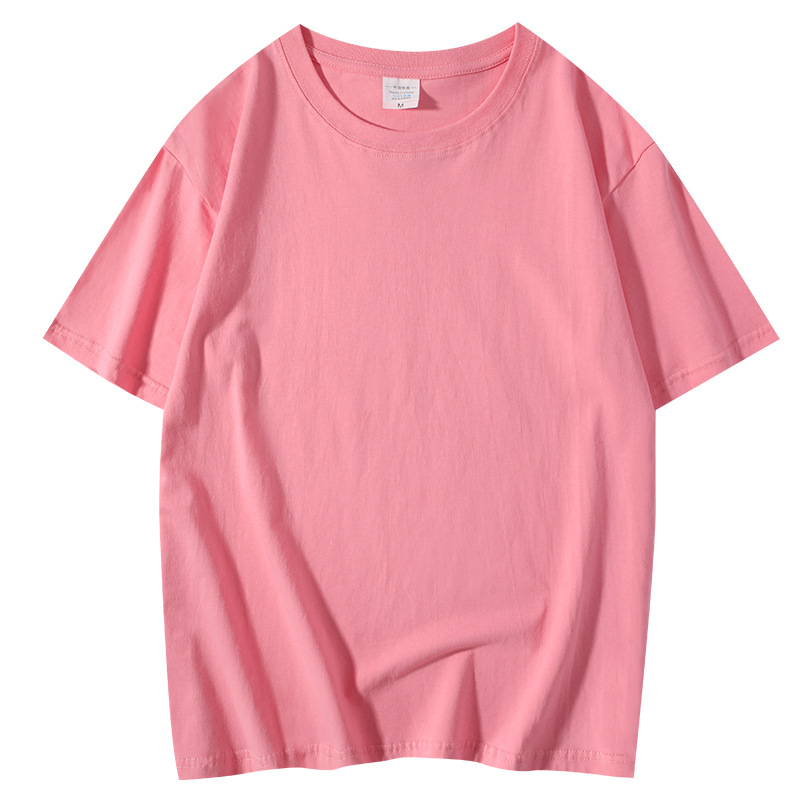
- Garment type and target construction, for example a 200g combed cotton crew neck T-shirt or a 280–300g zip-up French terry cardigan.
- Fabric composition and target weight, since these set the base cost and the machine requirements.
- Decoration method, placement and finished dimensions.
- Expected order quantity by style, colour and size, and whether it will repeat.
- Target delivery window and destination market.
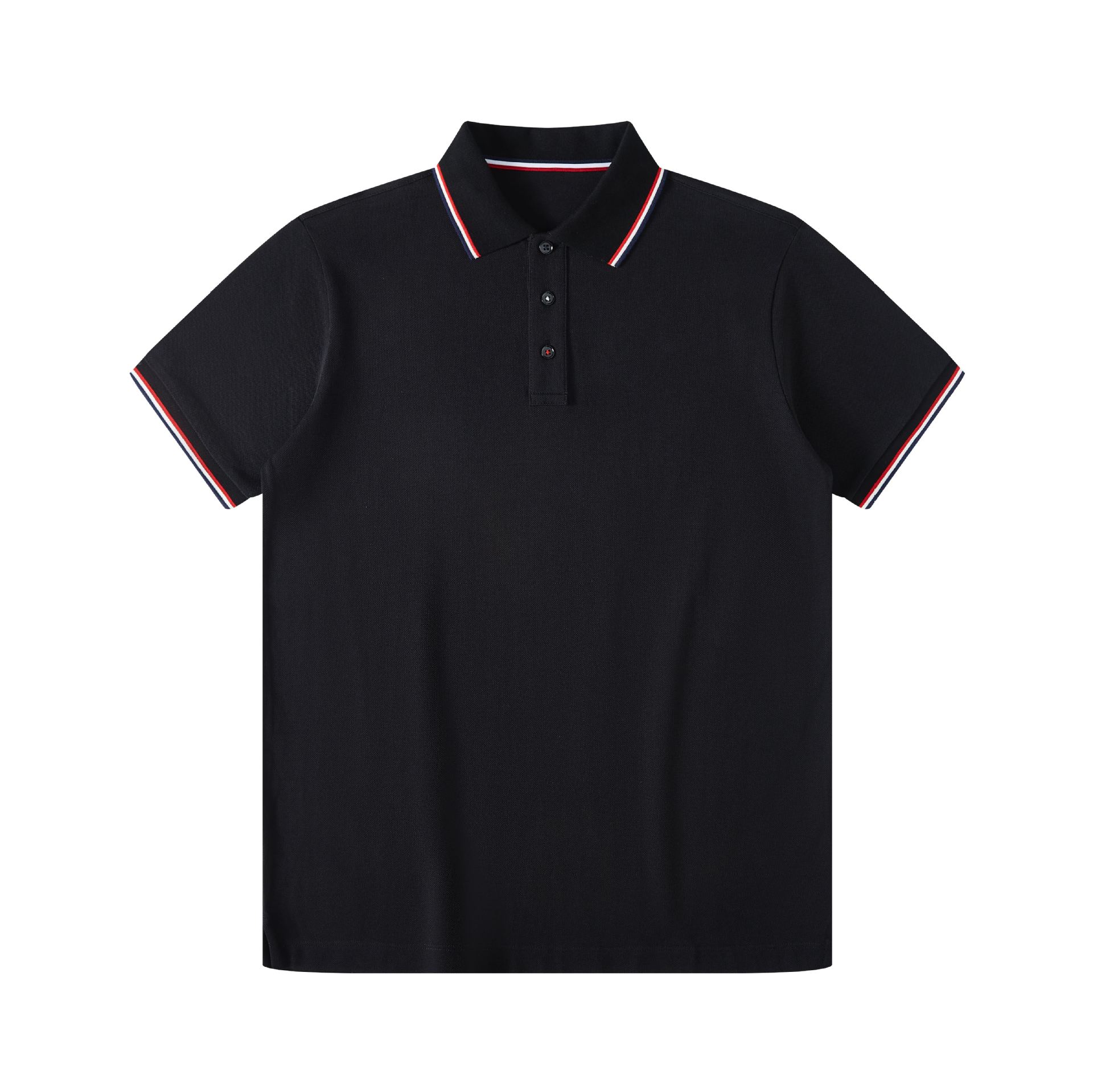
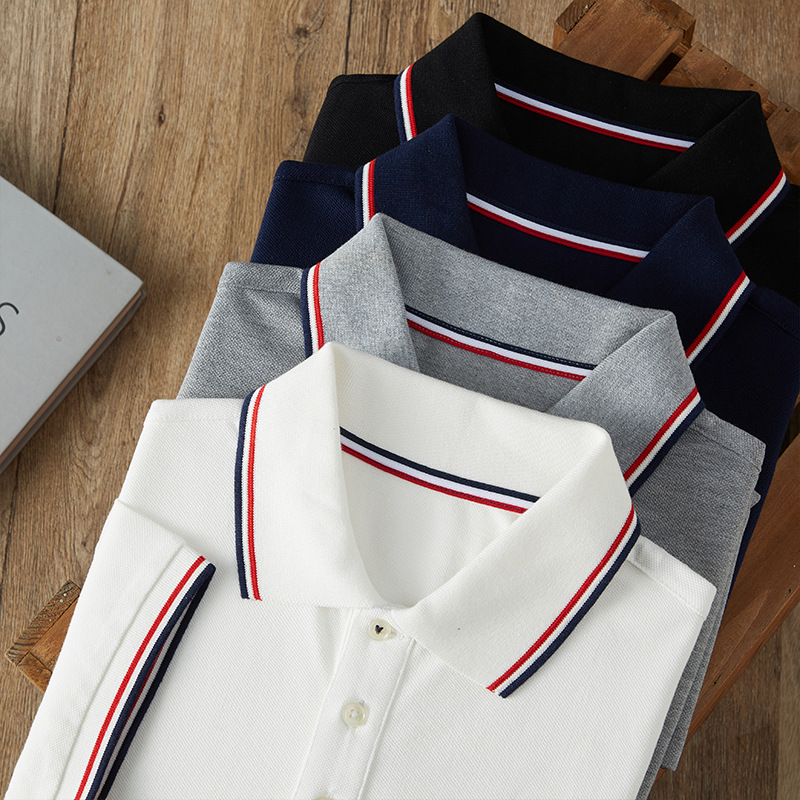
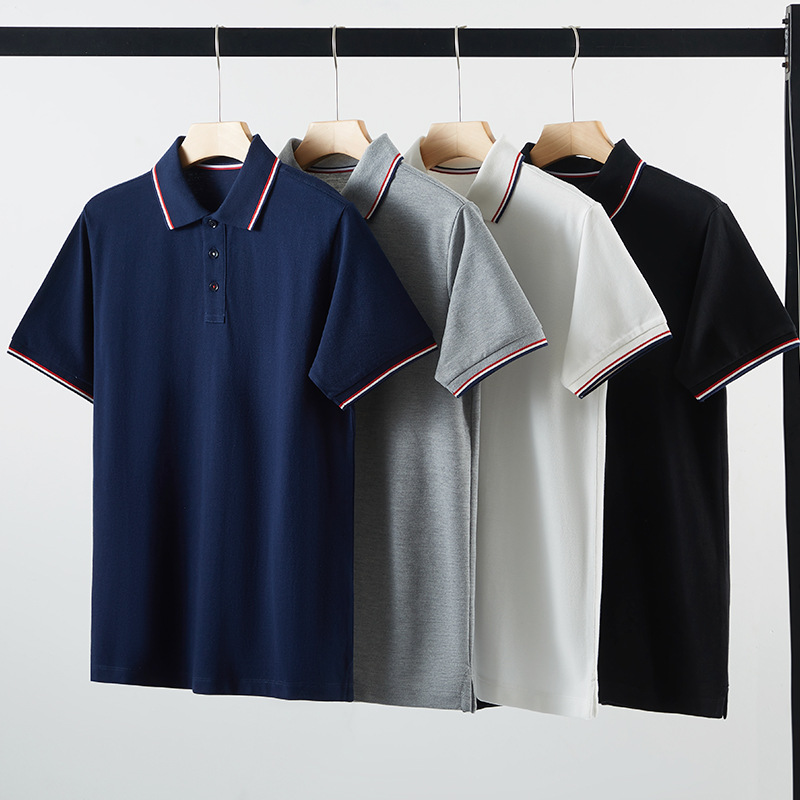
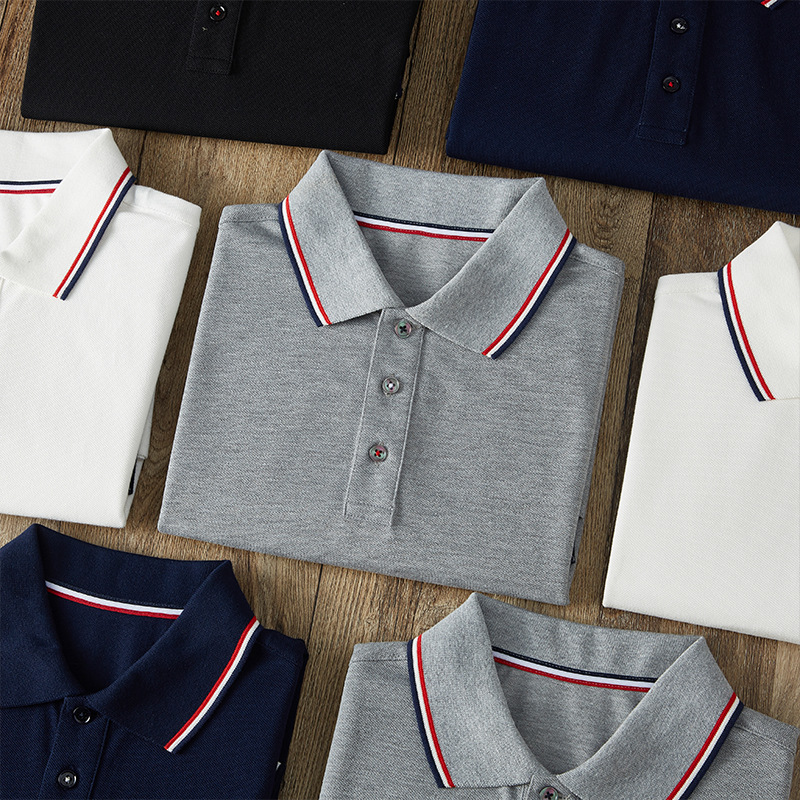
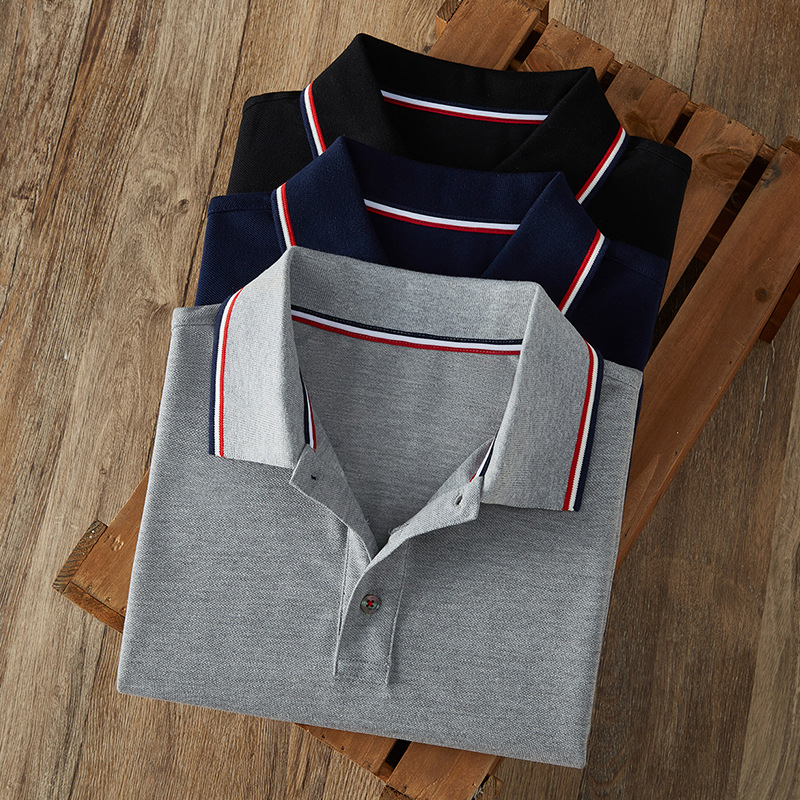
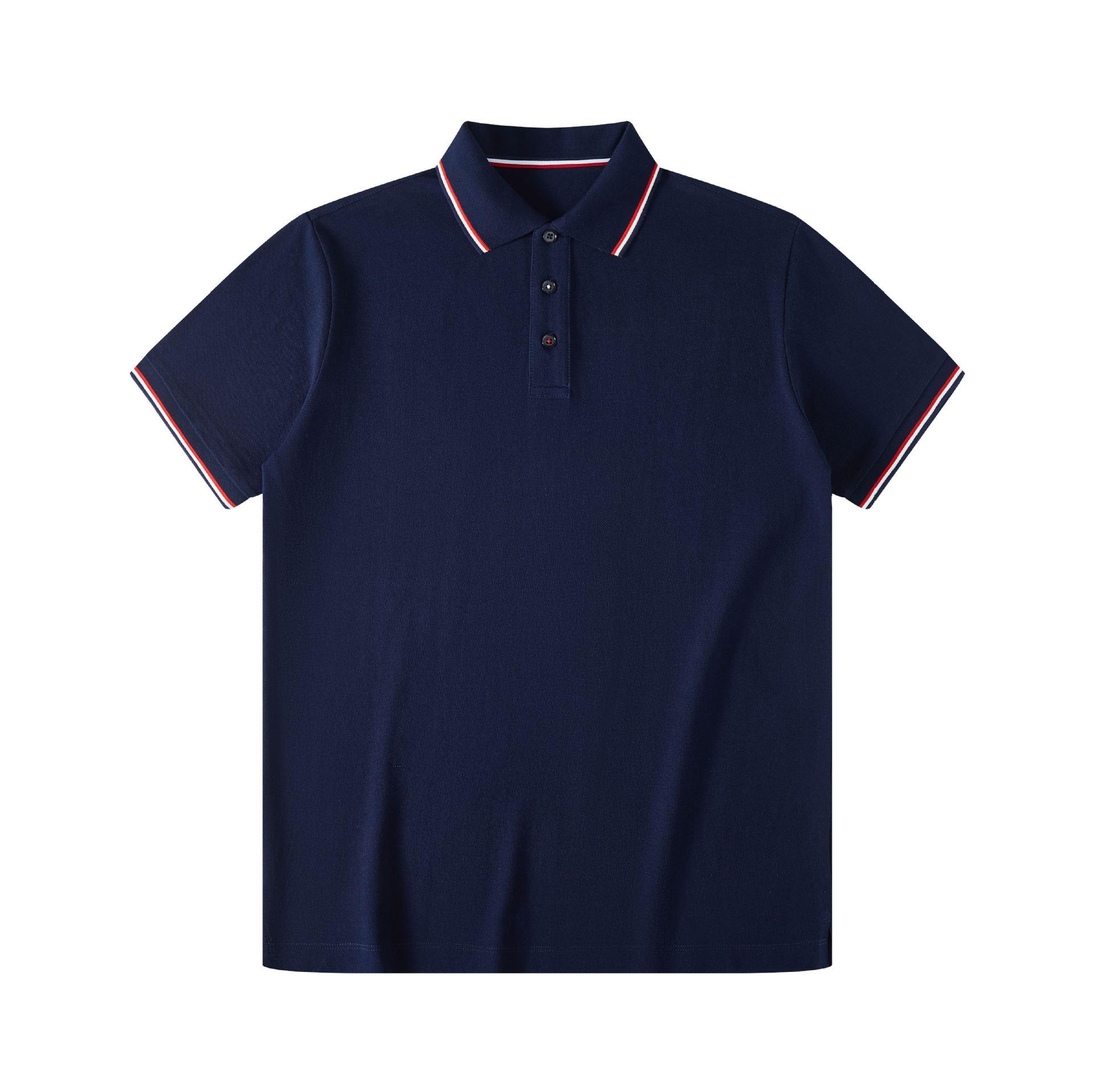
The range a supplier actually produces is a useful first filter. Baihui Garment, for example, works across lightweight quick-dry sports T-shirts, combed cotton T-shirts, piqué polos and fleece-lined sweatshirts — a buyer sourcing only silk or denim would be looking at the wrong factory. If your product sits outside a supplier's stated range, ask directly whether it is produced in-house or outsourced.
Check the production capability behind the quotation
Capacity claims are only meaningful when they can be tied to equipment, space and people. Ask for the numbers and treat them as questions rather than marketing copy.
| Area | What to confirm | Why it matters |
|---|---|---|
| Sewing equipment | Number of machines by type: overlock, flatlock, single needle, bartack, coverstitch | Machine mix determines which constructions the line can run without retooling |
| Special processes | In-house printing, embroidery, heat transfer or an established subcontractor | Decoration lead time and colour control are usually the least predictable steps |
| Daily output | Pieces per day for a comparable garment, and how it is calculated | Lets you test a delivery promise against a realistic production rate |
| Workshop area | Sewing floor, cutting, storage and packing space as separate areas | Congested space is a recurring cause of delays and mixed-up cartons |
| Team | Sewing operators, QC staff, sampling staff and a named contact | Dedicated QC staff are the clearest signal that inspection is a role, not a habit |
| Concurrent load | How many orders run in parallel in a normal month | A factory at full capacity cannot absorb a delay anywhere else in its schedule |
Photographs and video of the workshop are useful, but they date quickly. Ask for confirmation in writing of the specific equipment and staffing numbers, and treat any figure that changes between conversations as a flag.
Ask how quality is controlled, not just whether it is
Almost every supplier says quality is controlled. The useful question is where in the process it happens and who is responsible.
A workable answer describes checks at defined points: fabric and trim inspection on receipt, measurement and construction review during sewing, and a final inspection before packing. It should also state what happens when something fails — whether goods are reworked, replaced or held, and who decides.
For a fuller discussion of the quality factors that buyers most often test after delivery, see key factors for quality and comfort in custom knitwear.
Review sampling and communication before discussing price
Sampling is where a supplier's real working style shows. Ask how a sample request is handled, what the sample timeline depends on, and whether the sample is made on the production line or in a separate sample room.
The other half is communication. Confirm which channel you will use, who answers technical questions, how quickly you can expect a reply in your time zone, and how specification changes are recorded. A supplier that answers commercial questions quickly but technical questions vaguely is a common pattern worth noticing early.
Our sampling checklist for custom T-shirts, polos and sweatshirts covers what to put in the initial request so that the first sample is genuinely useful.
Compare quotations on the same specification
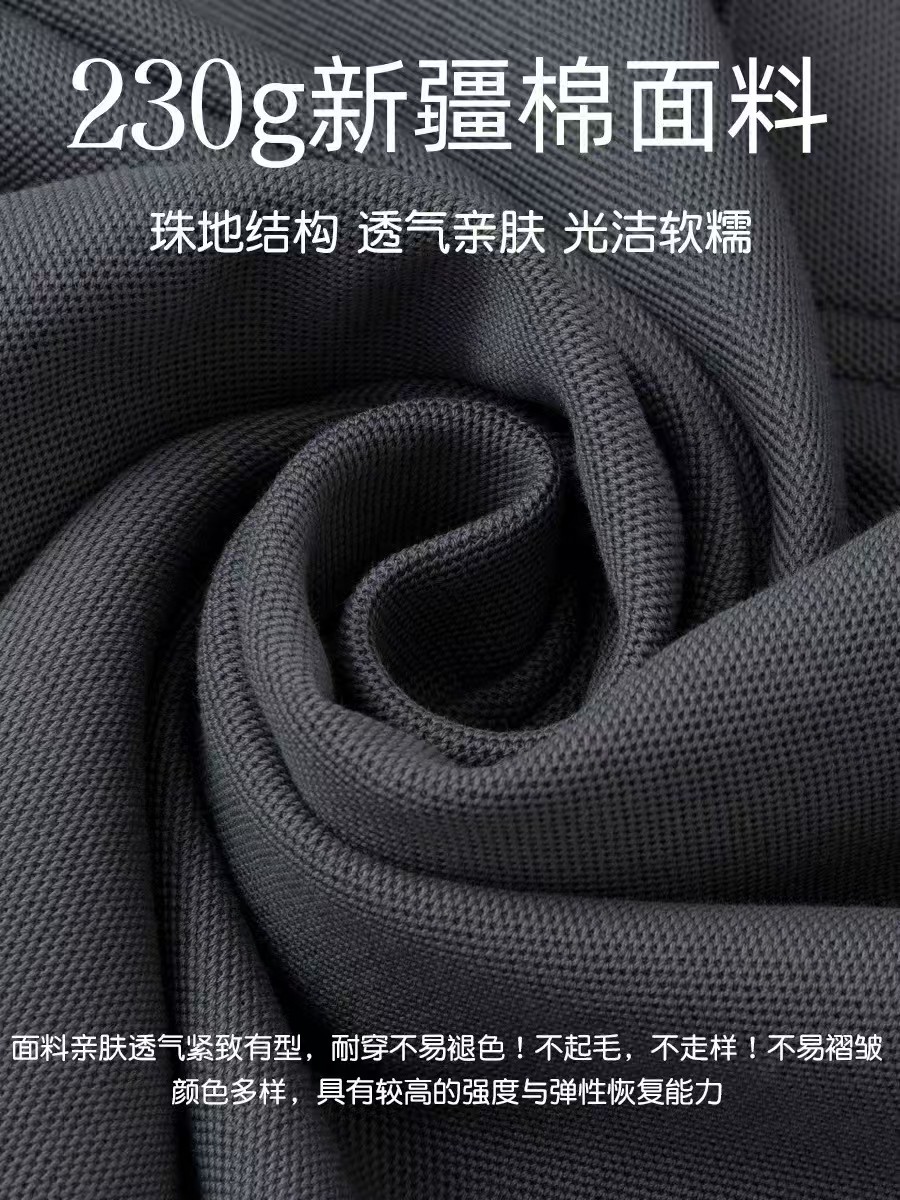
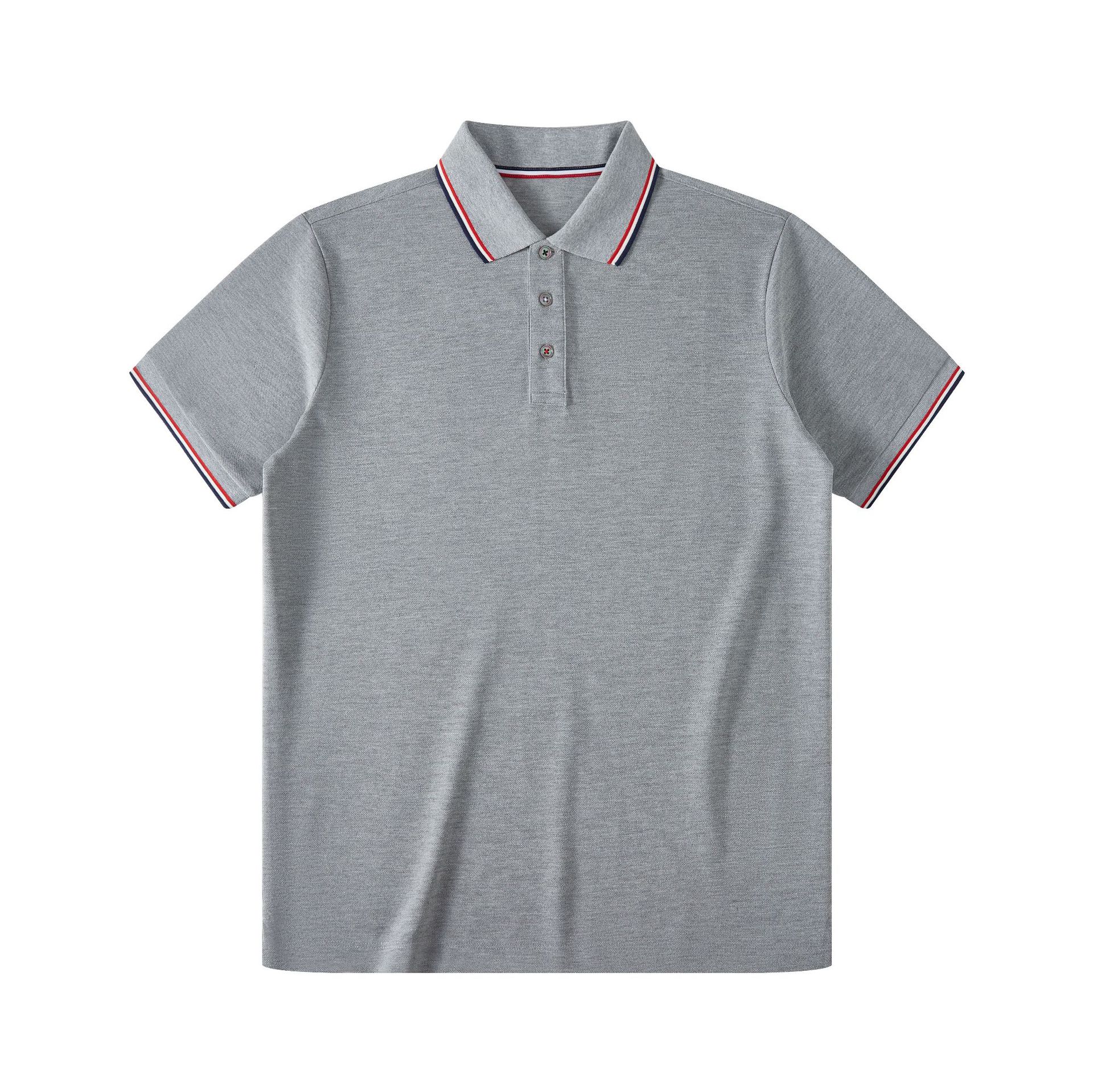
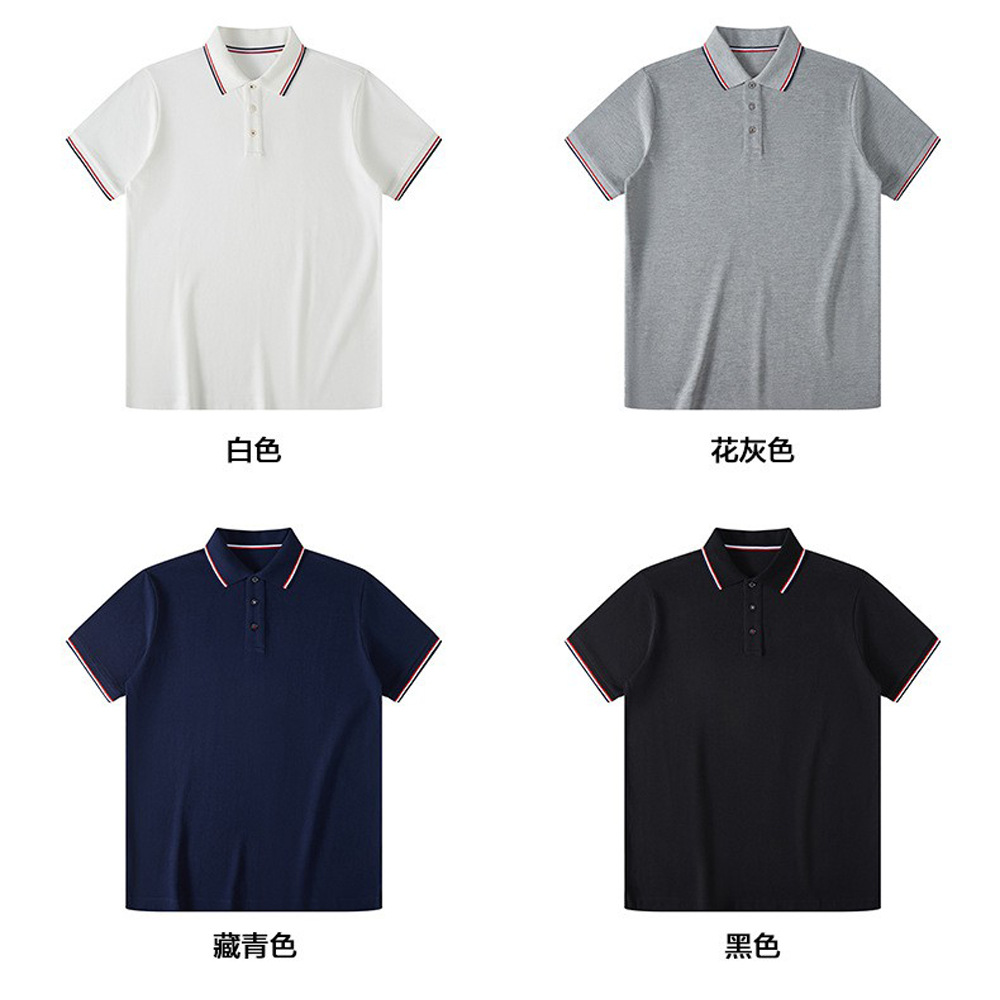
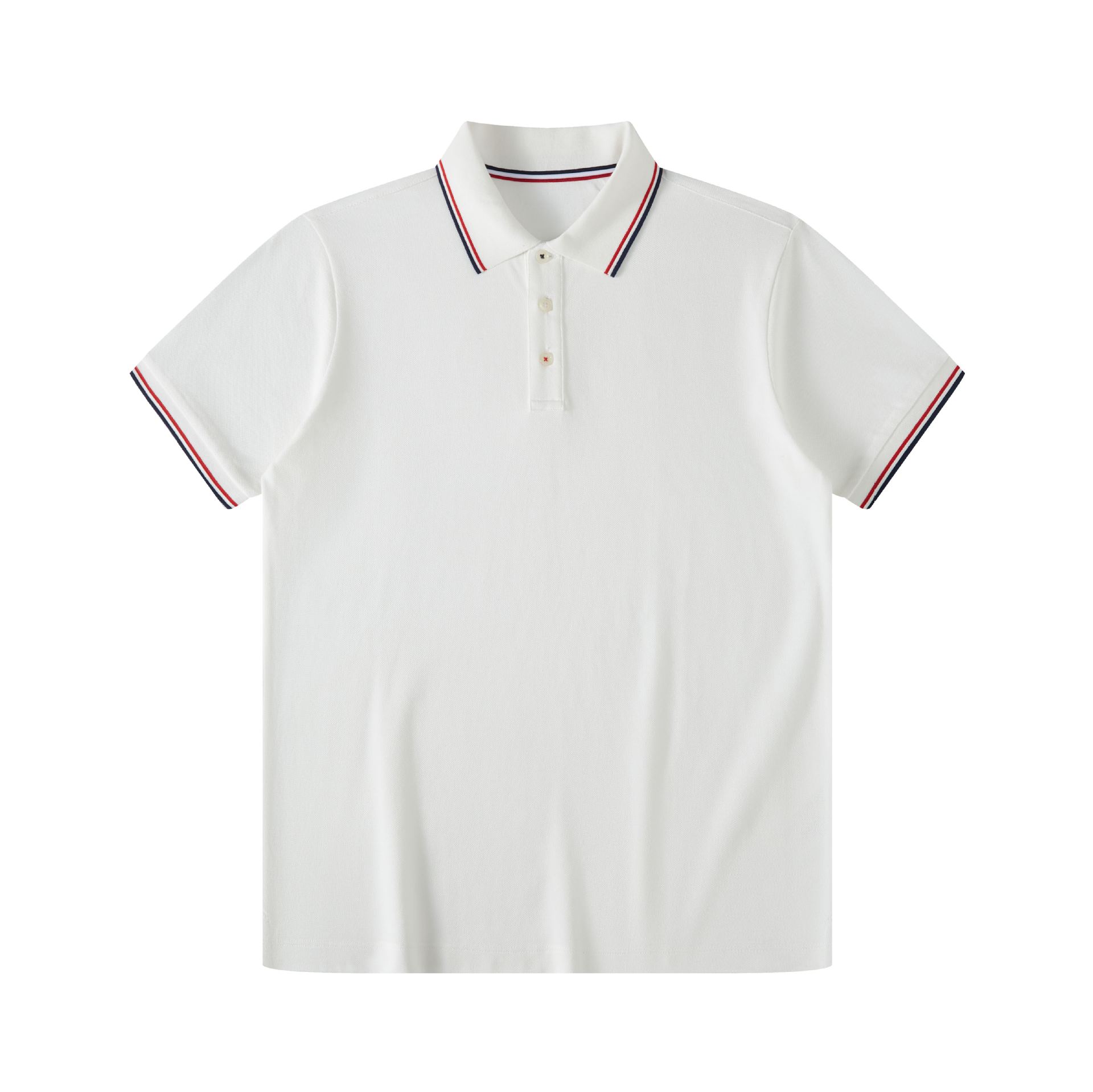
Quotations are only comparable when they describe the same garment. If one supplier quotes a 180g cotton piqué polo and another quotes a 210–230g combed cotton piqué, the price difference is not a difference in efficiency — it is a difference in product.
Normalise the comparison before you judge it. Set one specification sheet, send it to every candidate, and ask each supplier to confirm in writing which points they can meet as written and which they would change. The answers are as informative as the prices.
See what goes into a custom apparel quotation for the cost elements that should appear in the breakdown.
Keep a short supplier evaluation record
Keep the evaluation to one page per supplier so it stays genuinely comparable. Record the confirmed product range, equipment and capacity, QC structure, sampling turnaround, contact and response time, quotation with its assumptions, and any point that could not be verified.
Note also what was not answered. An unanswered question is not automatically disqualifying, but a pattern of vague answers to technical questions usually repeats once production starts.
Preparing your evaluation request
Send your requirement once, in a single clear package: garment type and reference images, fabric composition and weight, colour and artwork files, size and quantity breakdown, decoration method and placement, packaging expectations, and target delivery window. Ask specific questions rather than a general request for "best price".
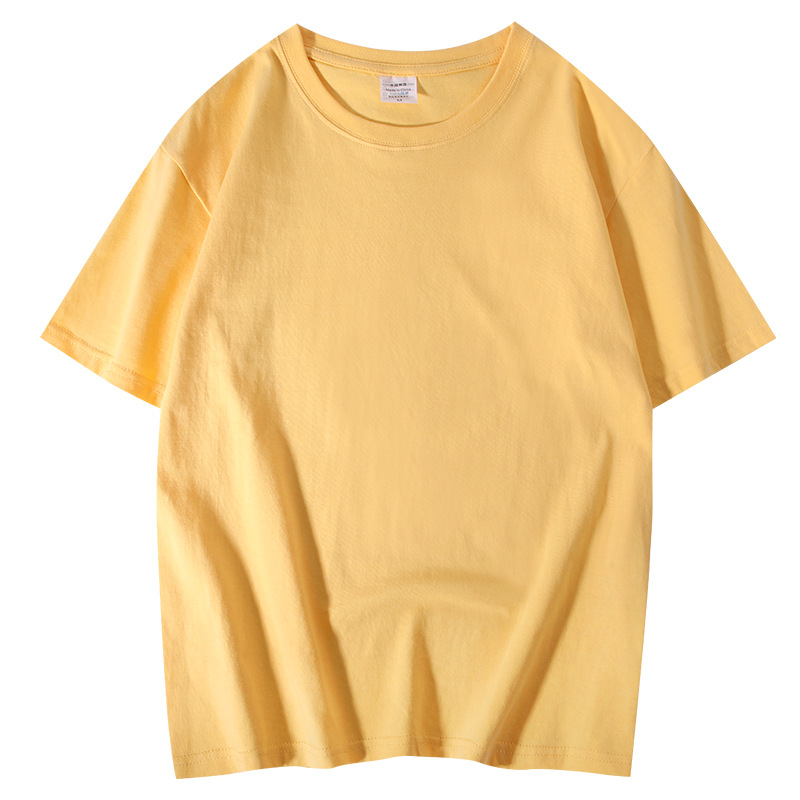
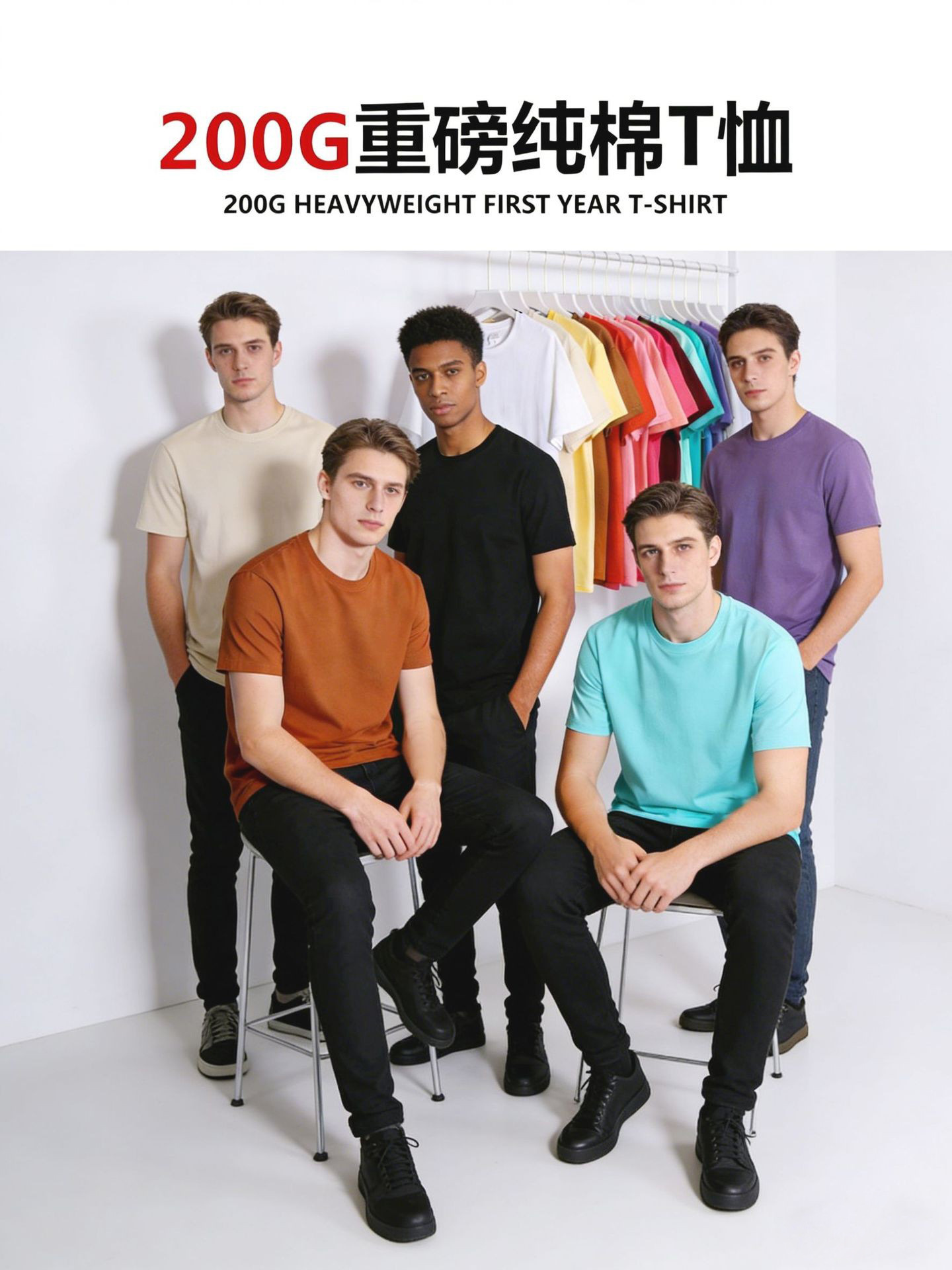
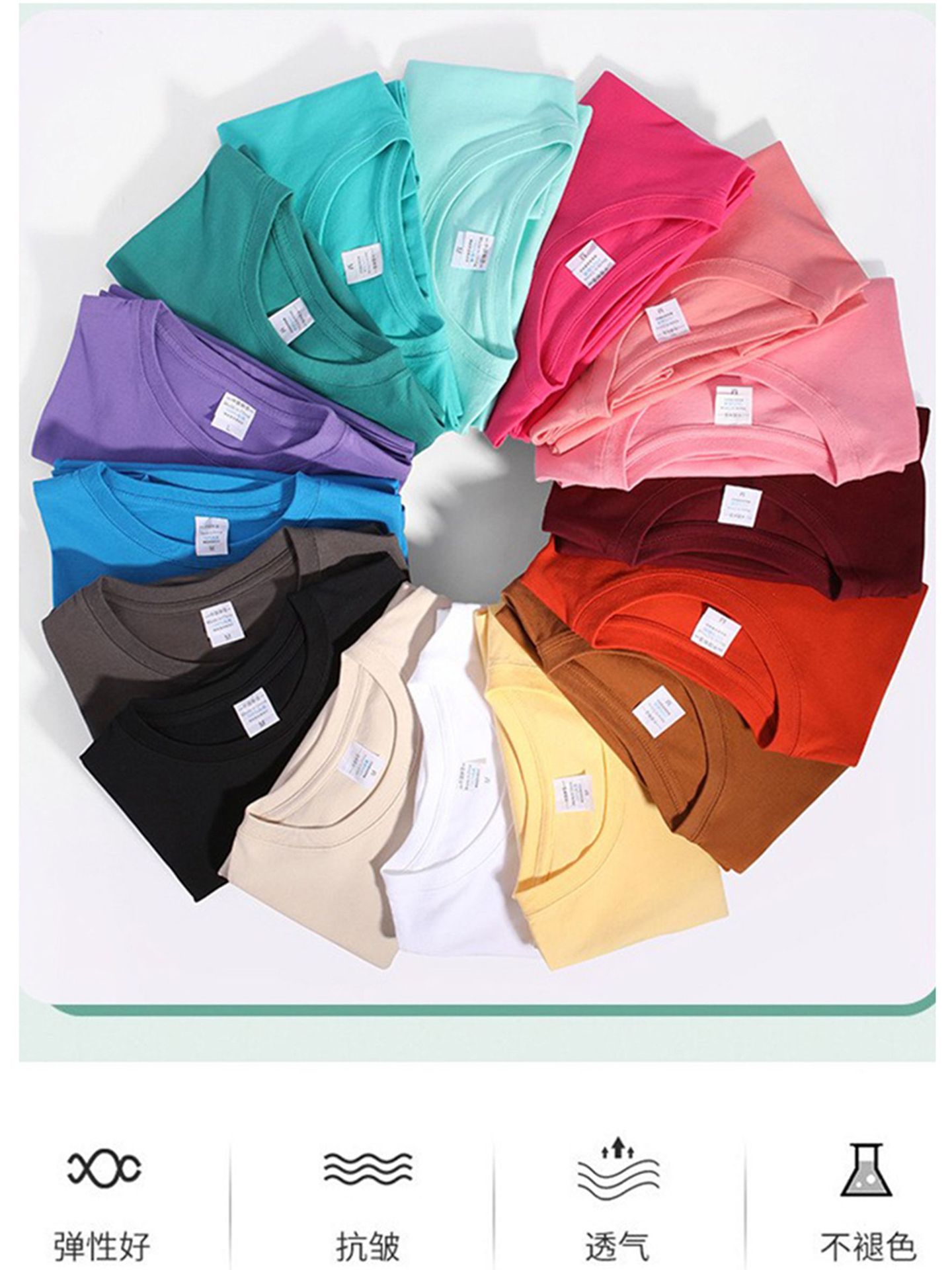
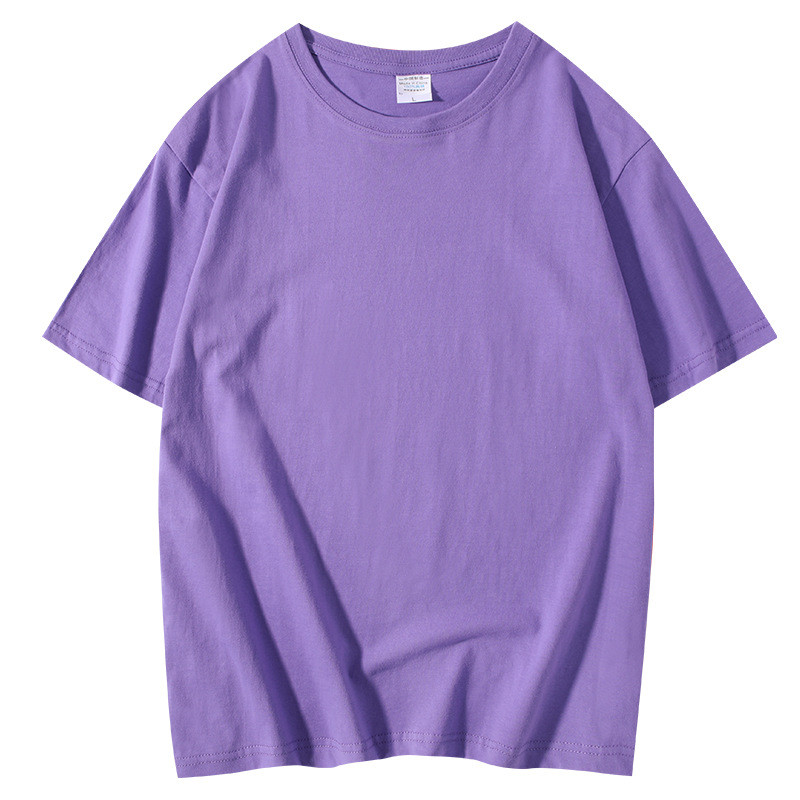
For reference points, you can review the 200g heavyweight cotton short-sleeve T-shirt, the 210–230g combed cotton piqué polo shirt and the 280–300g zip-up French terry cardigan. Sending your specification together with these references gives a manufacturer the information needed to respond with something you can actually evaluate.