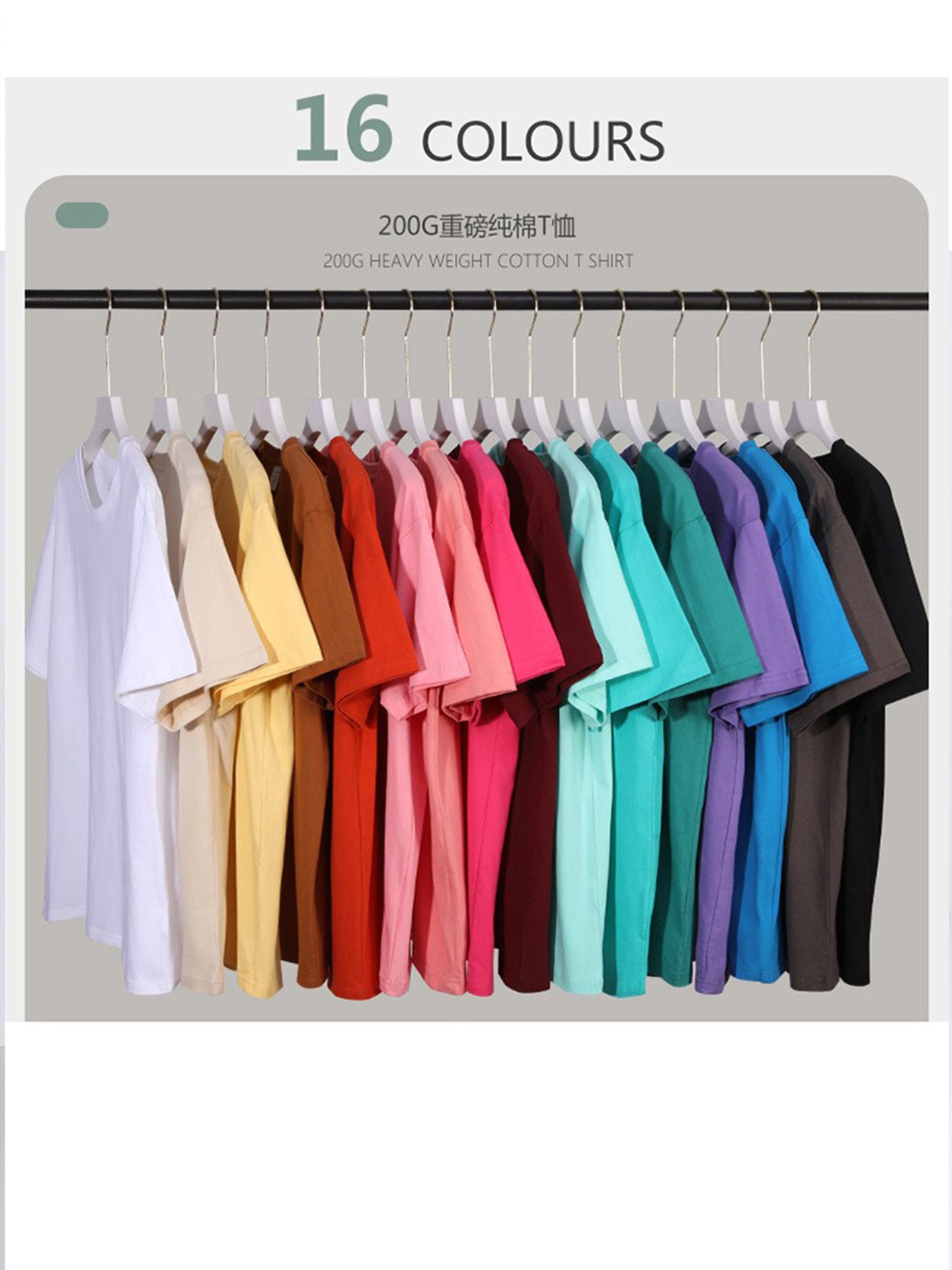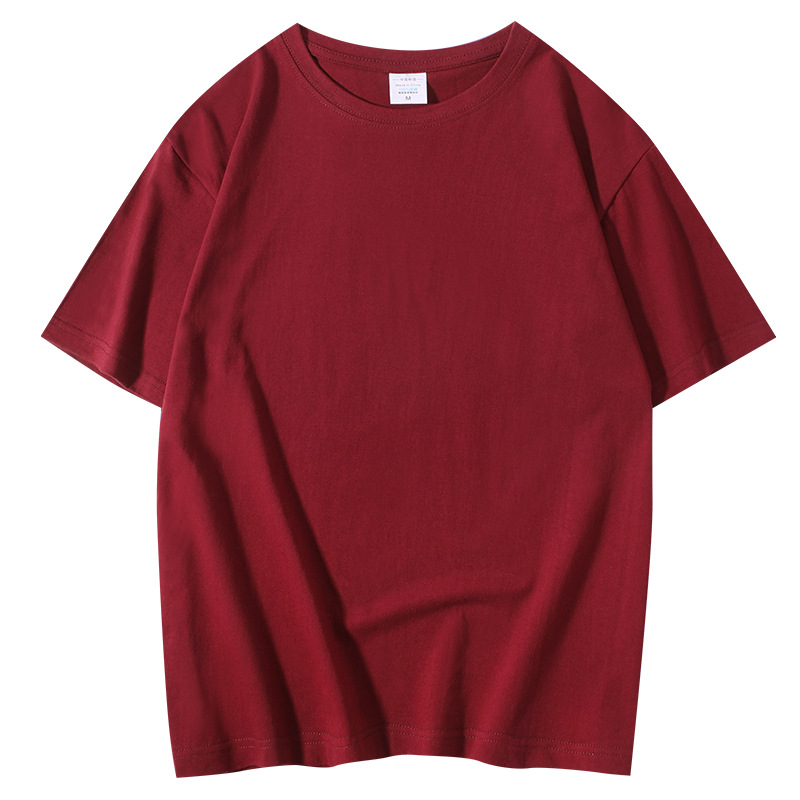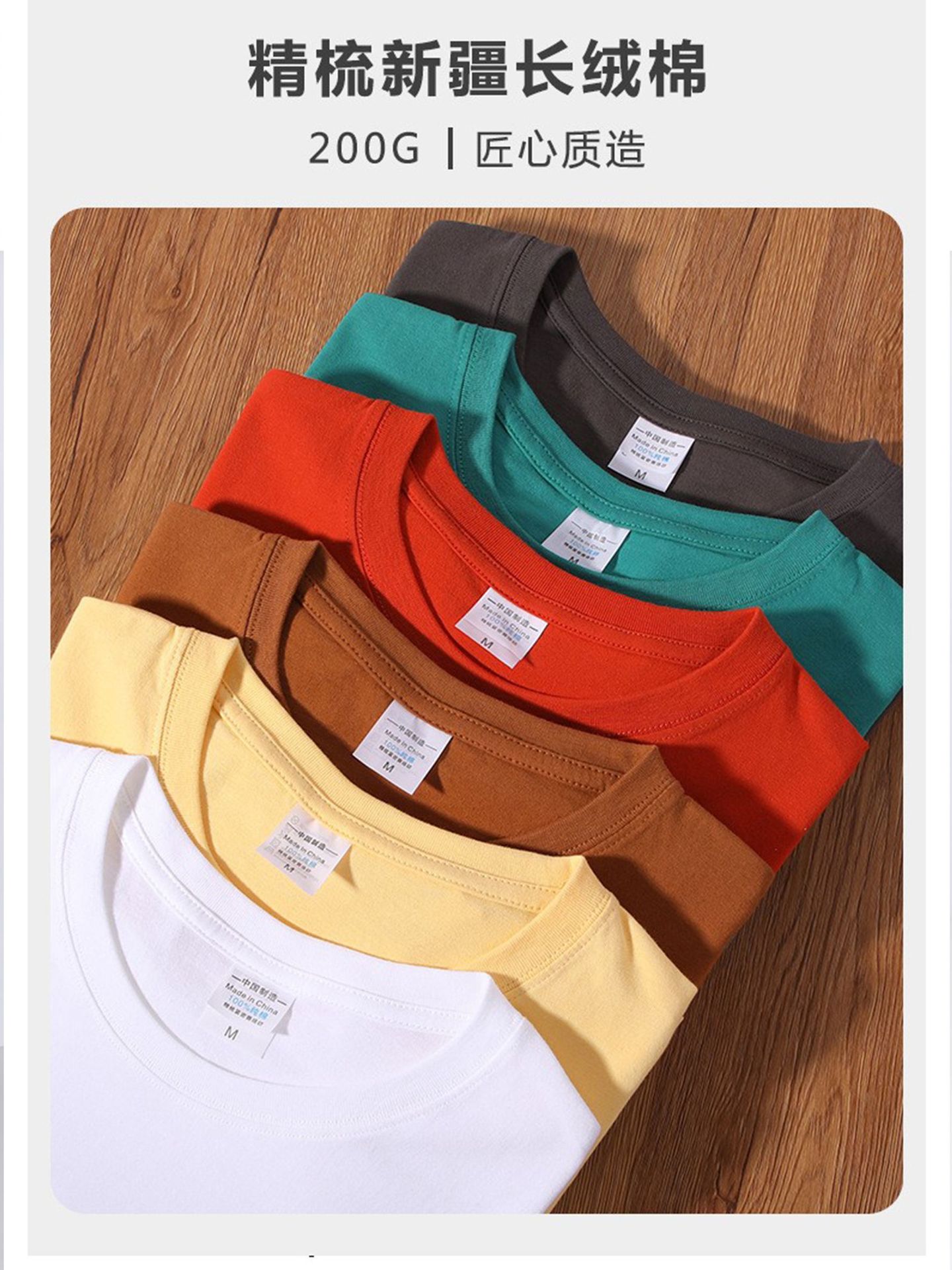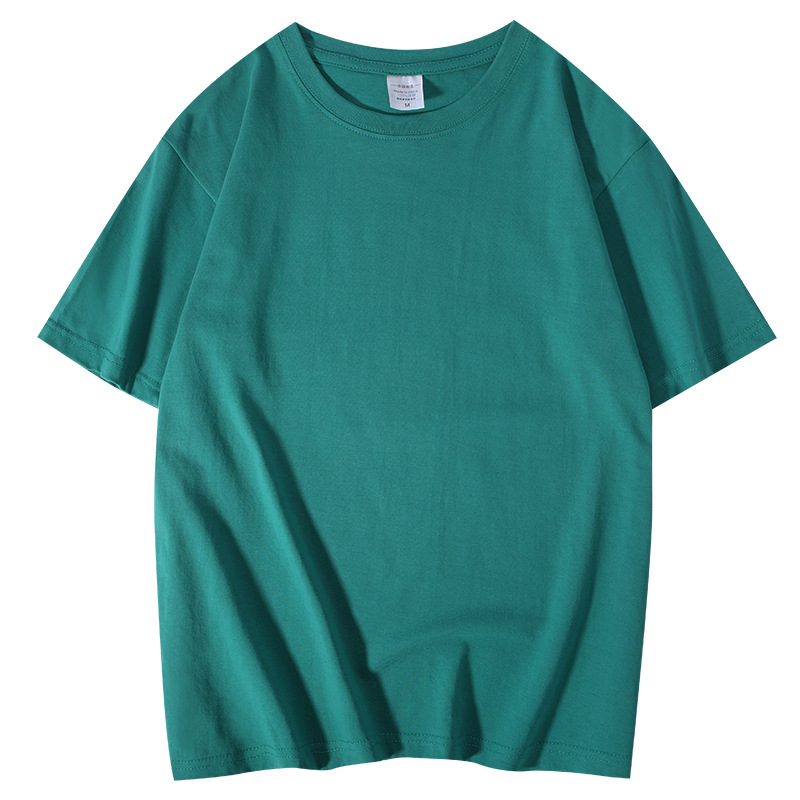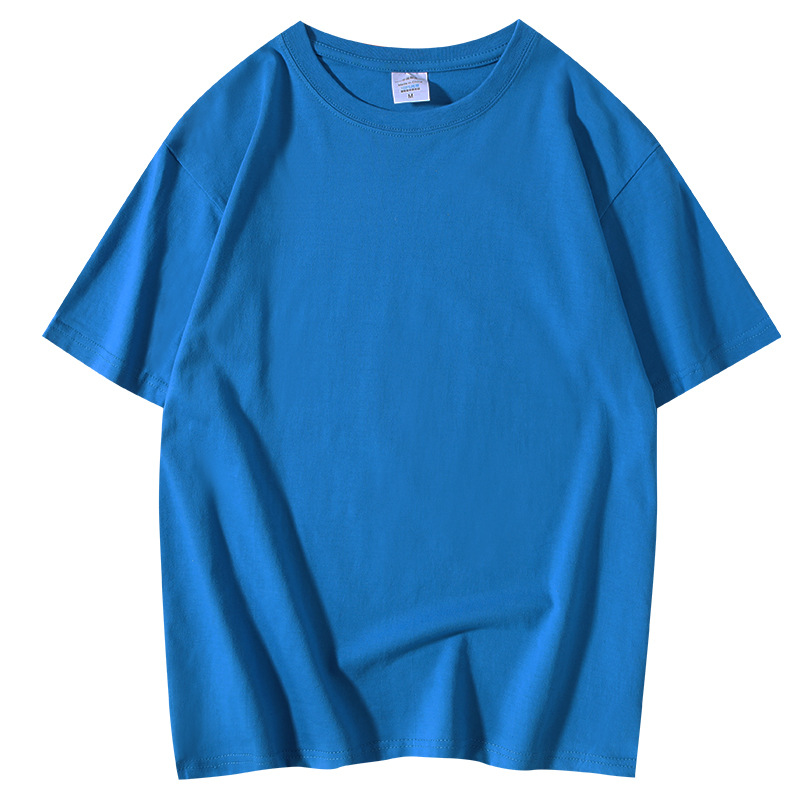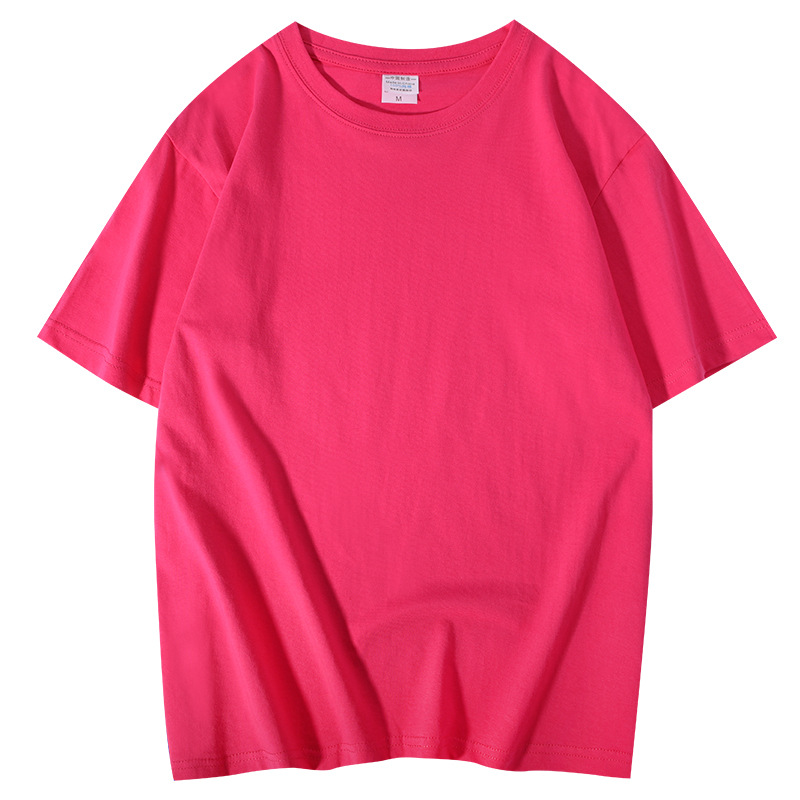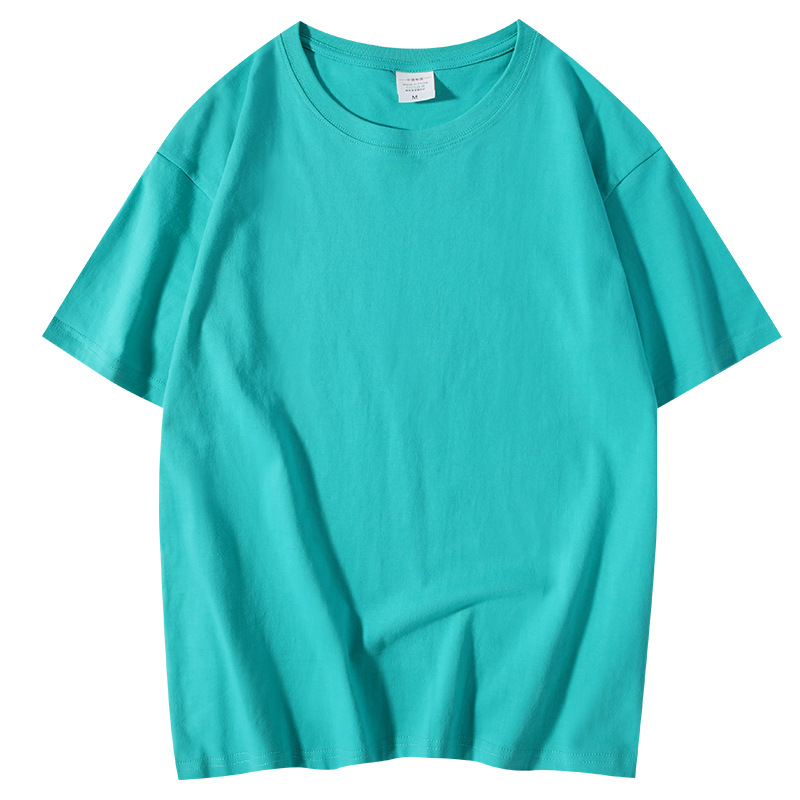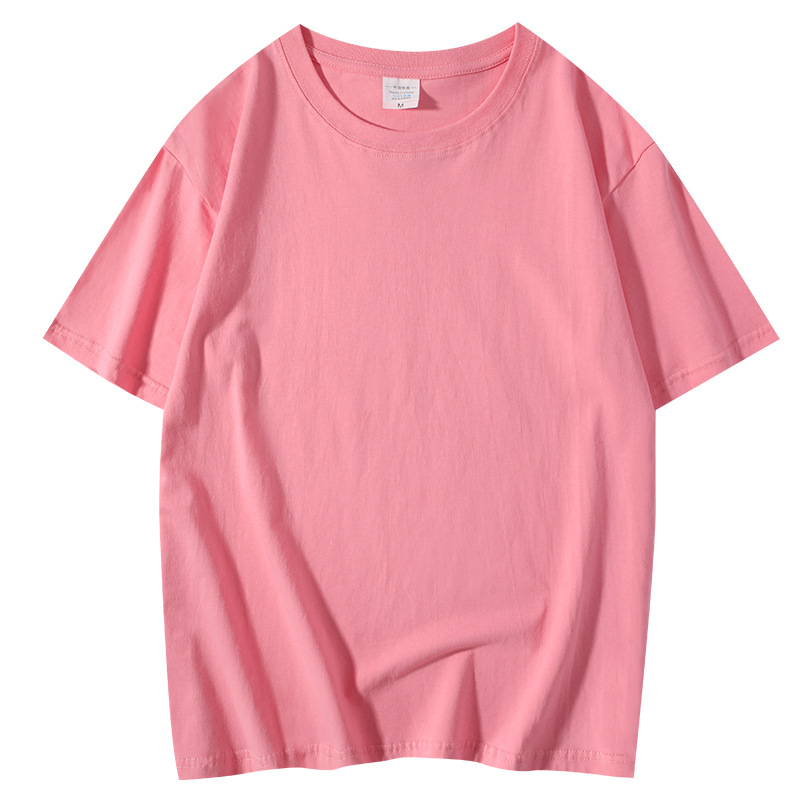

A quotation arrives as a single unit price, and the number is easy to compare but hard to interpret. Two suppliers can quote the same figure for reasons that have nothing in common: one may be using a lighter fabric, the other may have excluded decoration or packaging. Understanding the components of a quotation is what turns a price into a decision.
This guide breaks down what belongs in a knitwear quotation, how minimum order quantity and lead time interact with cost, and what to confirm before you treat a quotation as final for T-shirts, polo shirts and sweatshirts.
The fabric is the largest cost driver
For a cotton or cotton-blend knit garment, fabric typically accounts for the largest share of the material cost. Composition and weight are the two variables that move it most.
- Composition. 100% combed cotton, cotton piqué, cotton-polyester blends and stretch polyester-spandex quick-dry fabrics sit at different price levels.
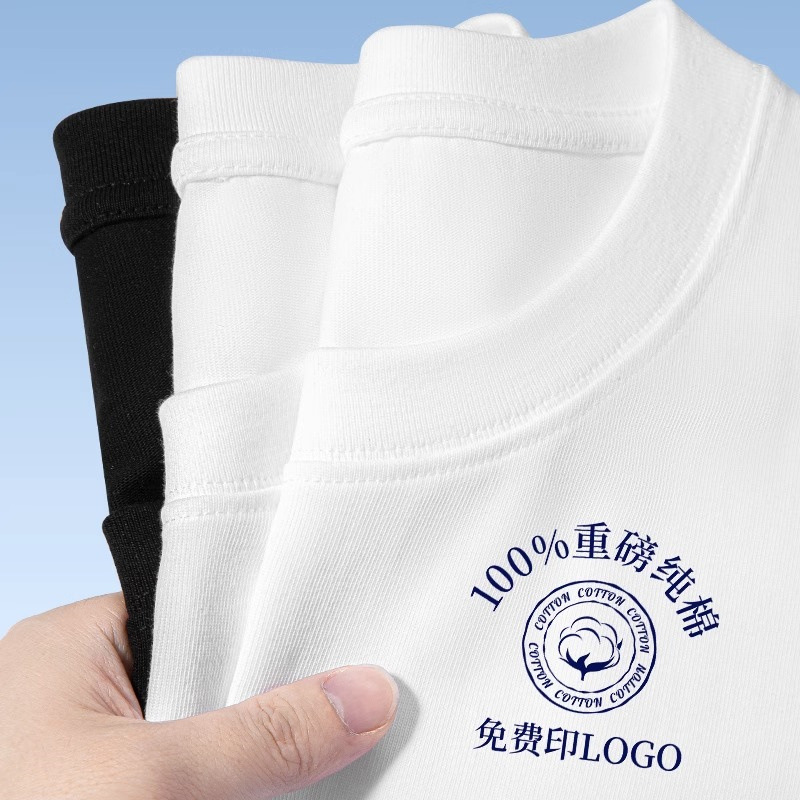
- Weight. A 200g plain-knit cotton T-shirt uses more yarn per piece than a 180g combed cotton T-shirt of the same size.
- Yarn quality. Combed and long-staple cotton cost more than standard carded cotton and affect both hand feel and durability.
- Structural knit. Piqué, French terry and fleece-backed fabrics require different knitting and finishing than a plain single jersey.
A price comparison that does not state fabric composition and weight is not a comparison. Ask for both, and ask whether the fabric is sourced against a named specification.
The other cost elements in a garment price
| Cost element | Typical basis | What to confirm |
|---|---|---|
| Fabric and trim | Per garment, from consumption per size | Composition, weight and whether consumption assumes a specific marker efficiency |
| Cutting and sewing labour | Per garment, by construction complexity | Which construction details are included and which are treated as extras |
| Decoration | Per print or embroidered piece, or by stitch count and colour count | Number of print positions, number of colours, finished logo dimensions, stitch count |
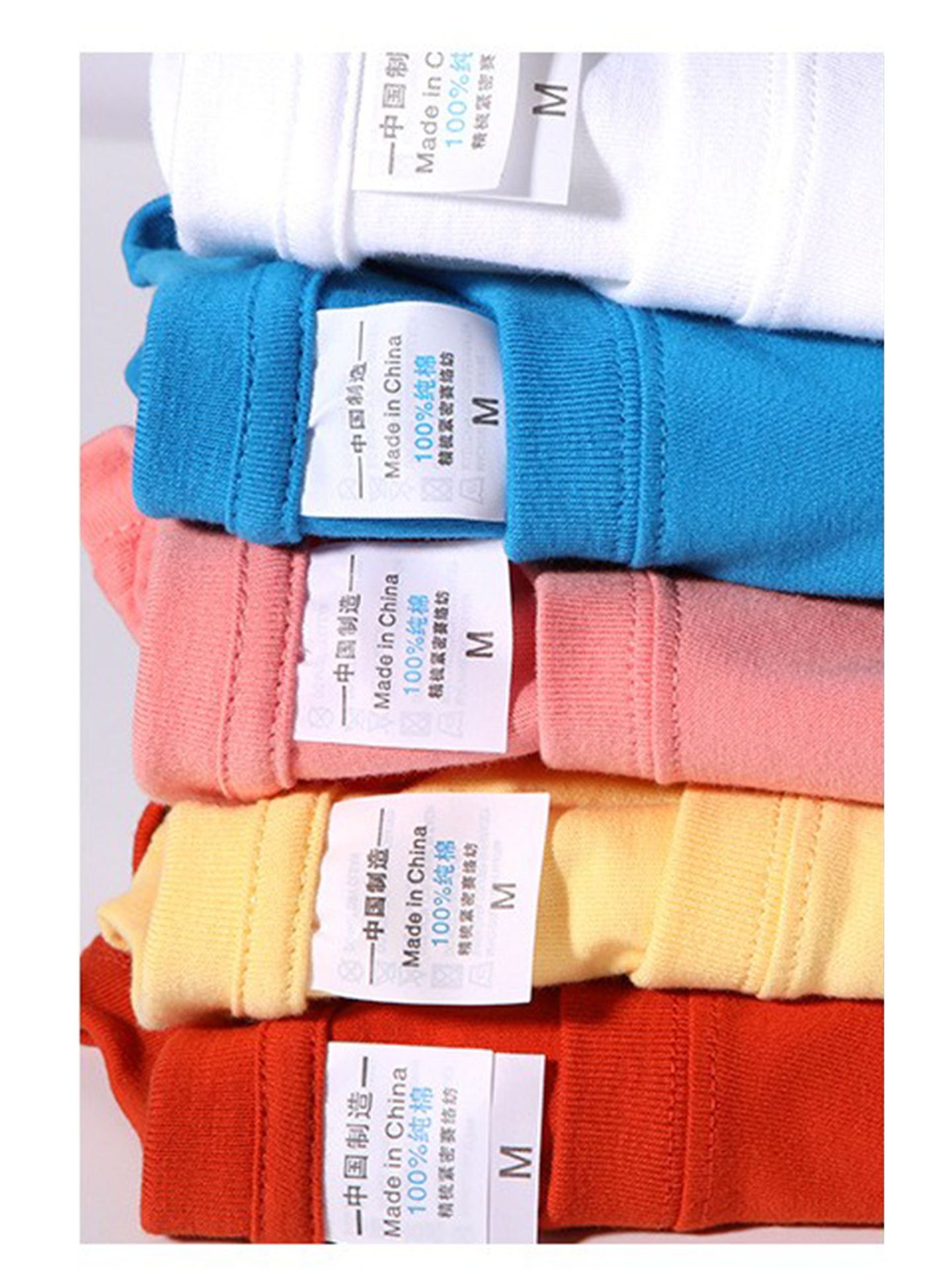
| Trims and accessories | Per garment | Neck labels, care labels, hangtags, buttons, zippers, drawcords |
| Sampling | Per sample, often charged separately | Whether sample charges are refundable on order, and whether revision rounds are included |
| Packing | Per garment or per carton | Polybag type, carton size limits, assortment by size and colour, shipping marks |
| Testing and inspection | Per test or per inspection | Which tests are required by your market and who pays for them |
| Freight and duties | By volume, weight and destination | Which Incoterm applies and where the quoted price stops |
Ask for the breakdown rather than a single figure. A supplier who can itemise these elements is working from a real cost model; a supplier who cannot may be estimating, and estimates move once production starts.
How fabric weight changes the price of the same style
Within one style, weight is the clearest illustration of how specification drives cost. The products below are all cotton or cotton-blend knits for the same general market, and their fabric weights span a wide range.
| Reference style | Fabric weight | Sourcing implication |
|---|---|---|
| Quick-dry sports short-sleeve T-shirt | 140–160g | Lightest option; performance fabric rather than cotton |
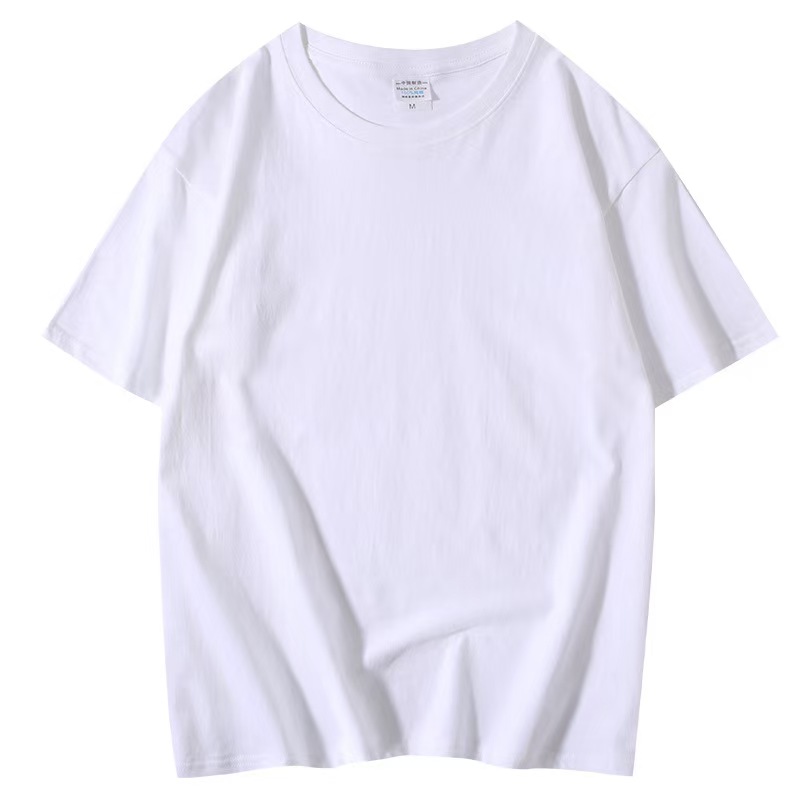
| Combed cotton short-sleeve T-shirt | 180g | Entry weight for a standard retail T-shirt |
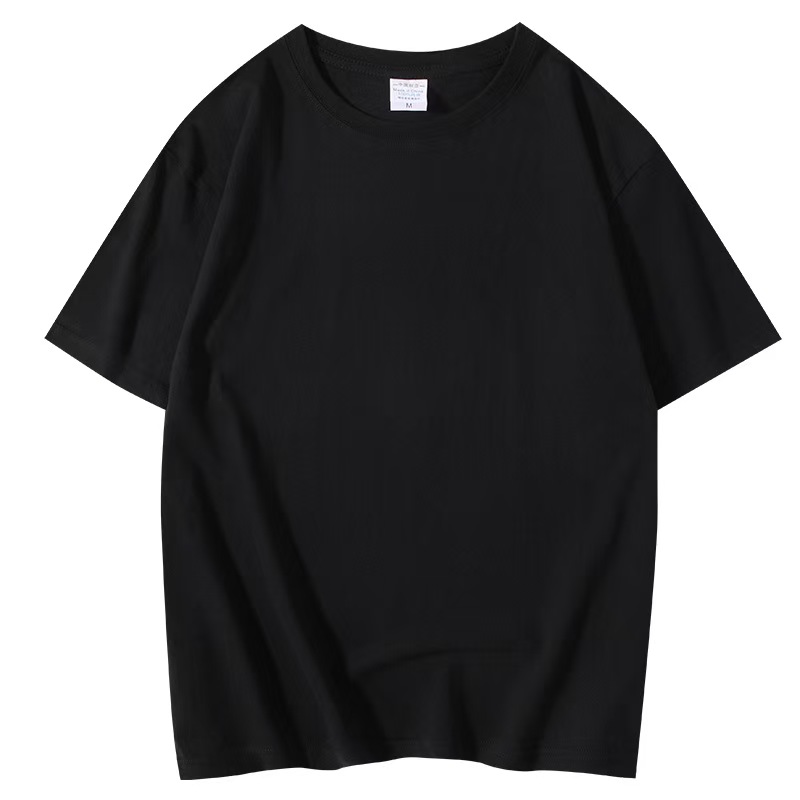
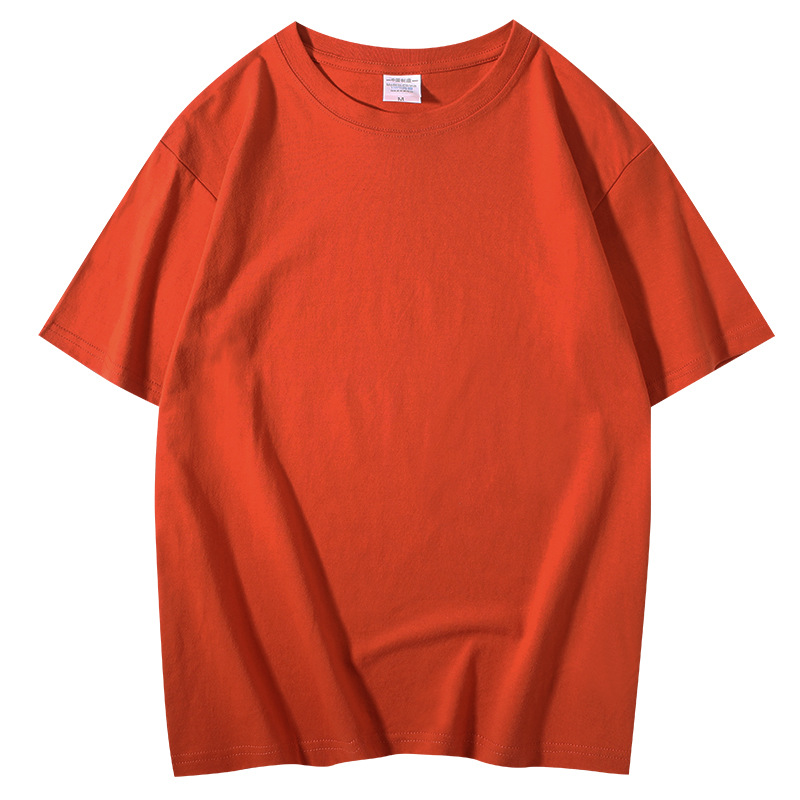
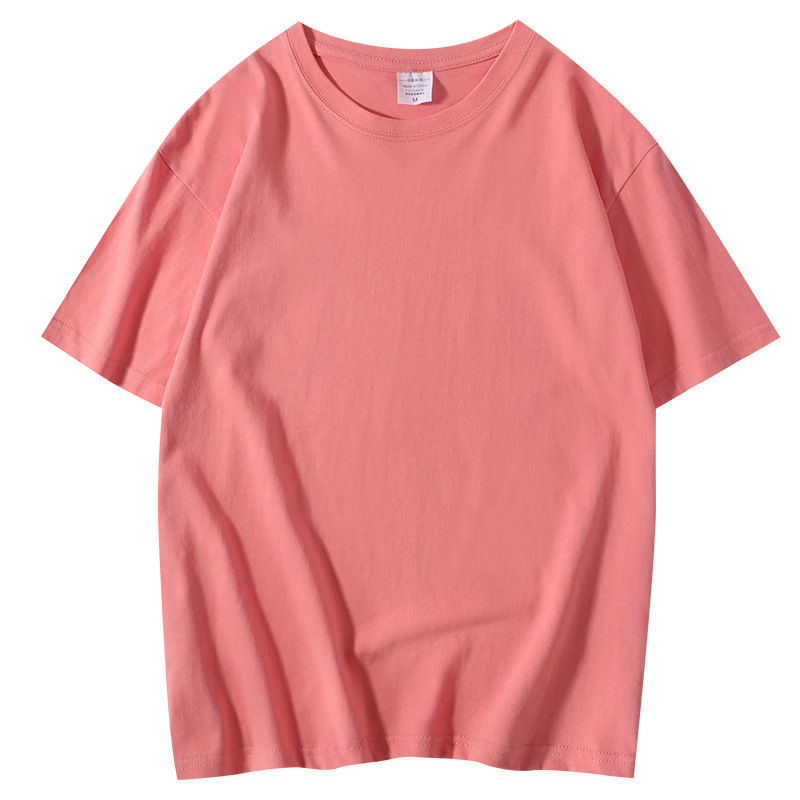
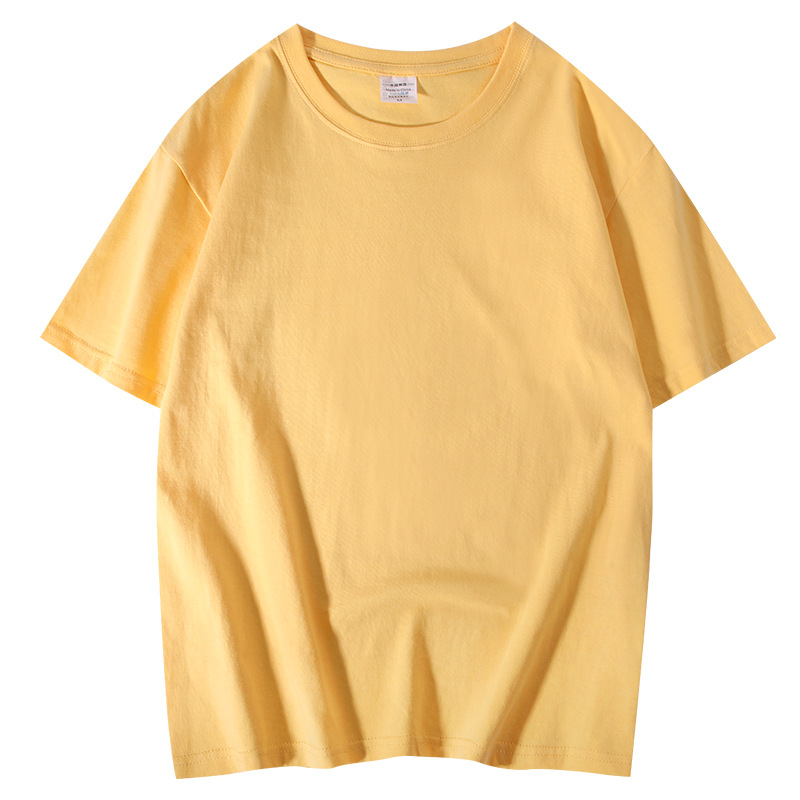
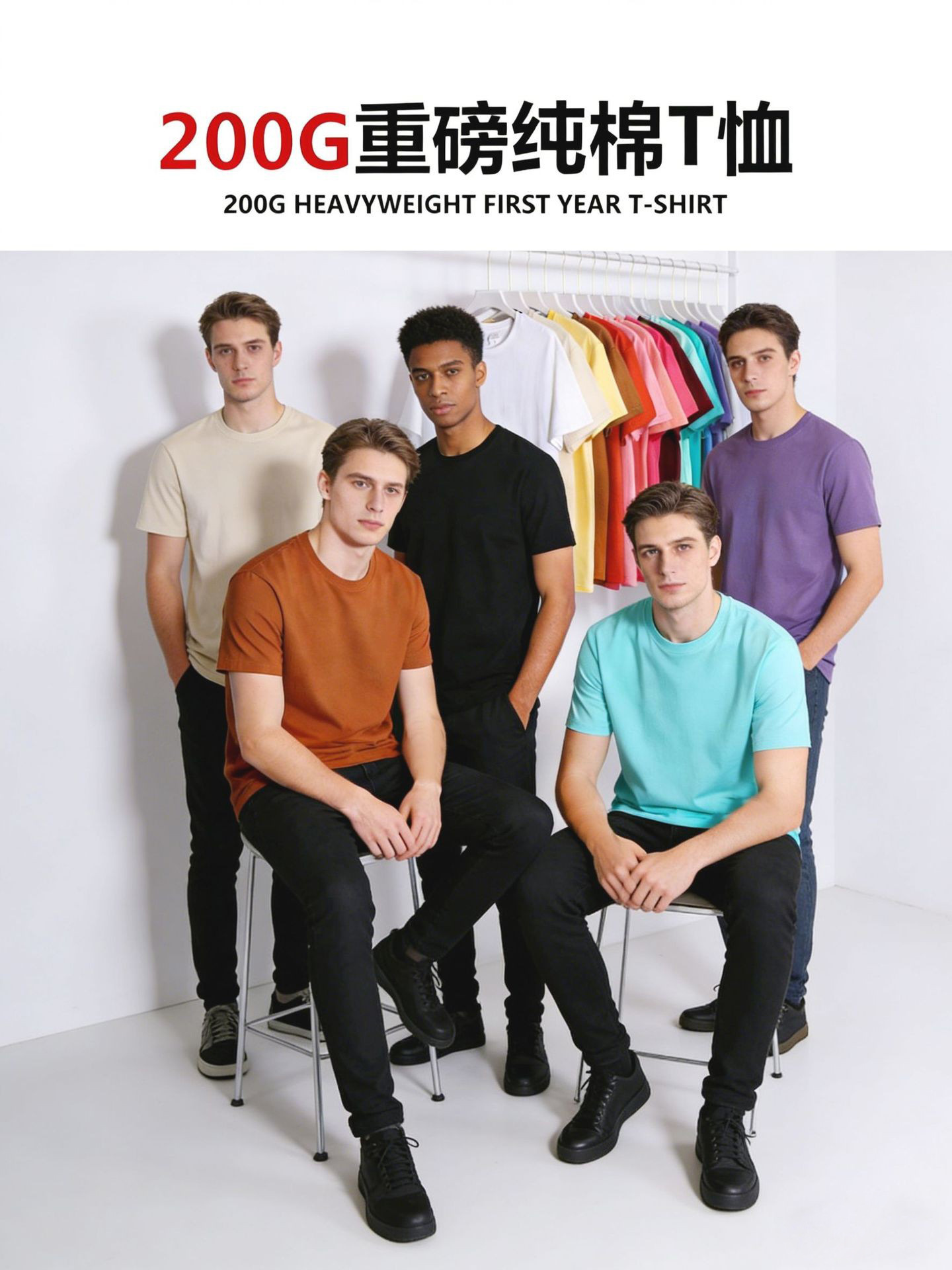
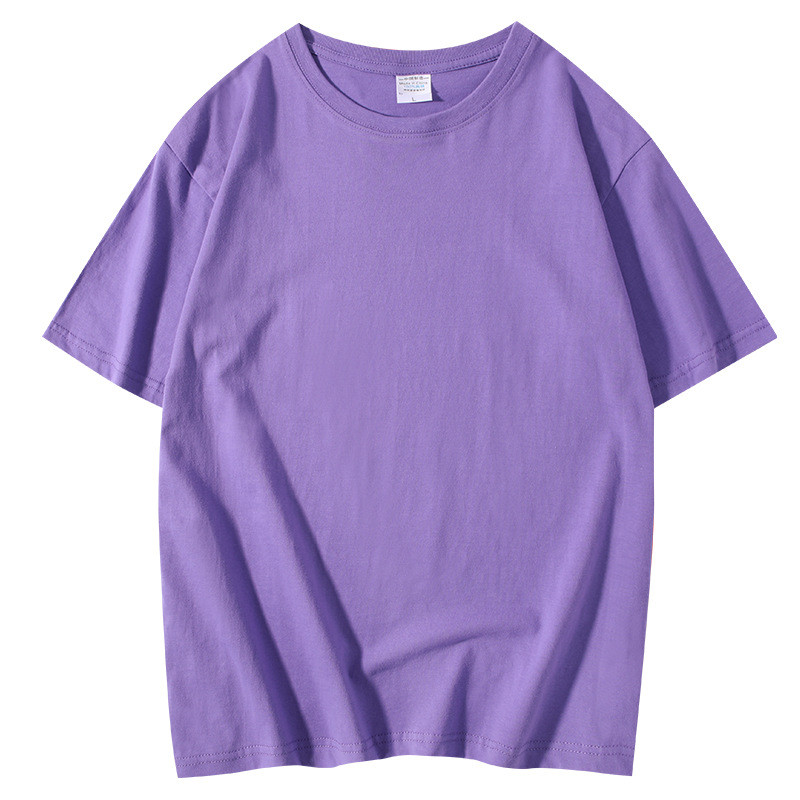
| Heavyweight cotton short-sleeve T-shirt | 200g | Higher yarn consumption per piece than 180g |
| Cotton piqué polo shirt | 180–200g | Piqué structure plus collar and placket add labour |
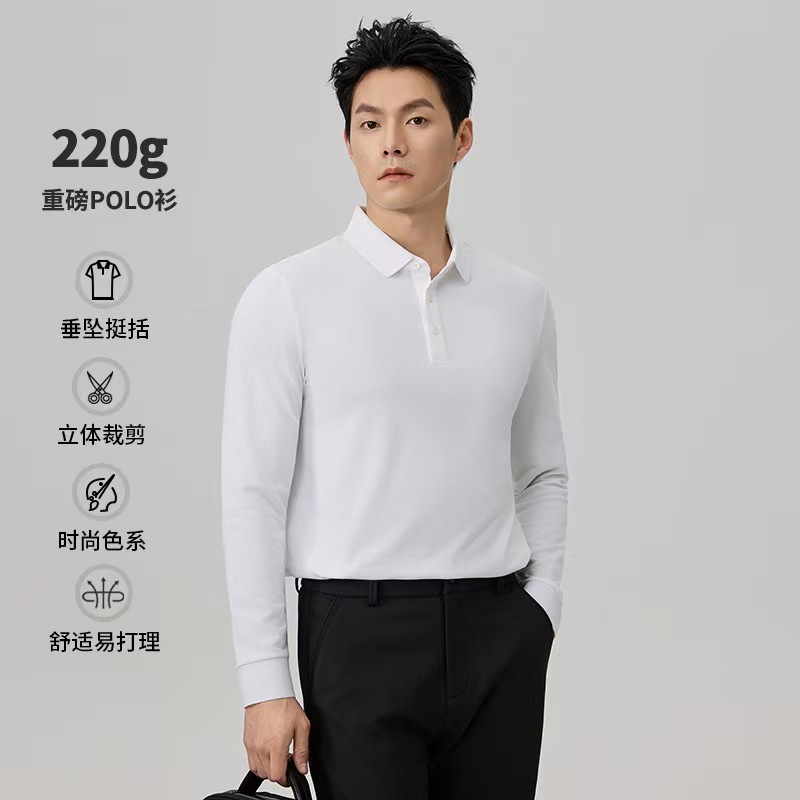
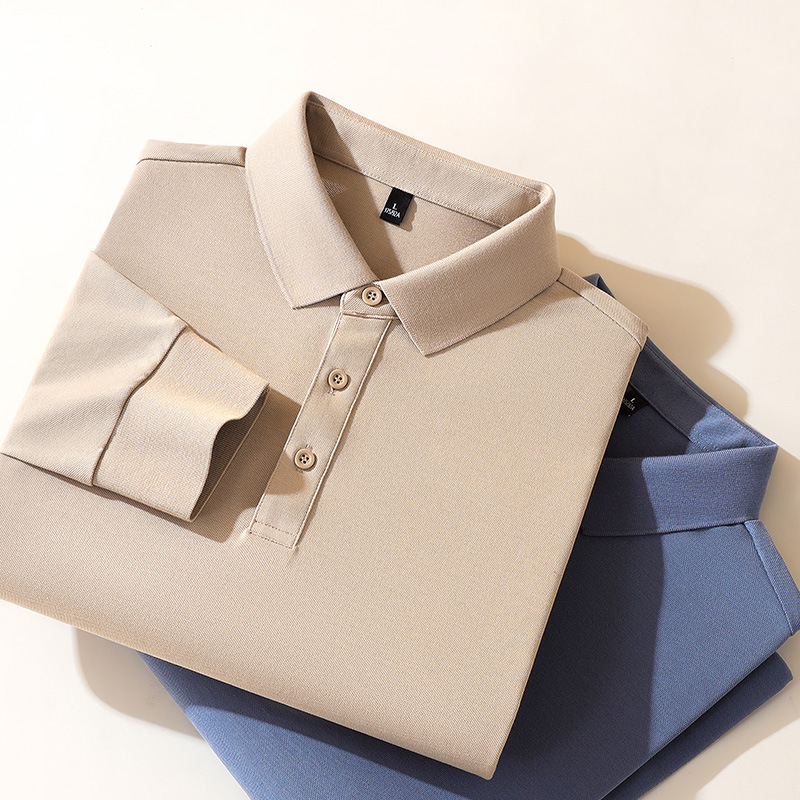
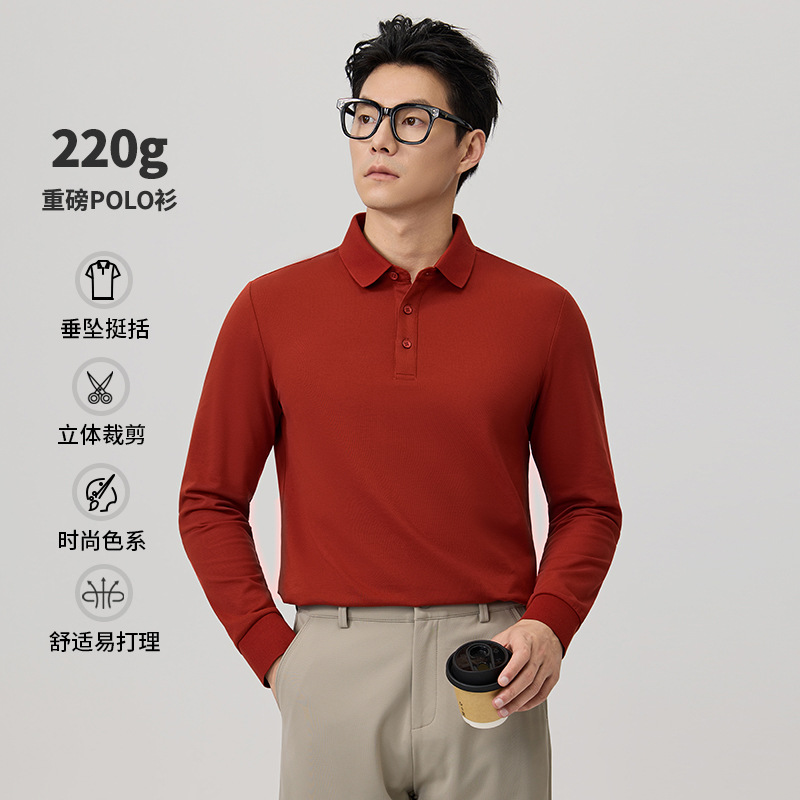
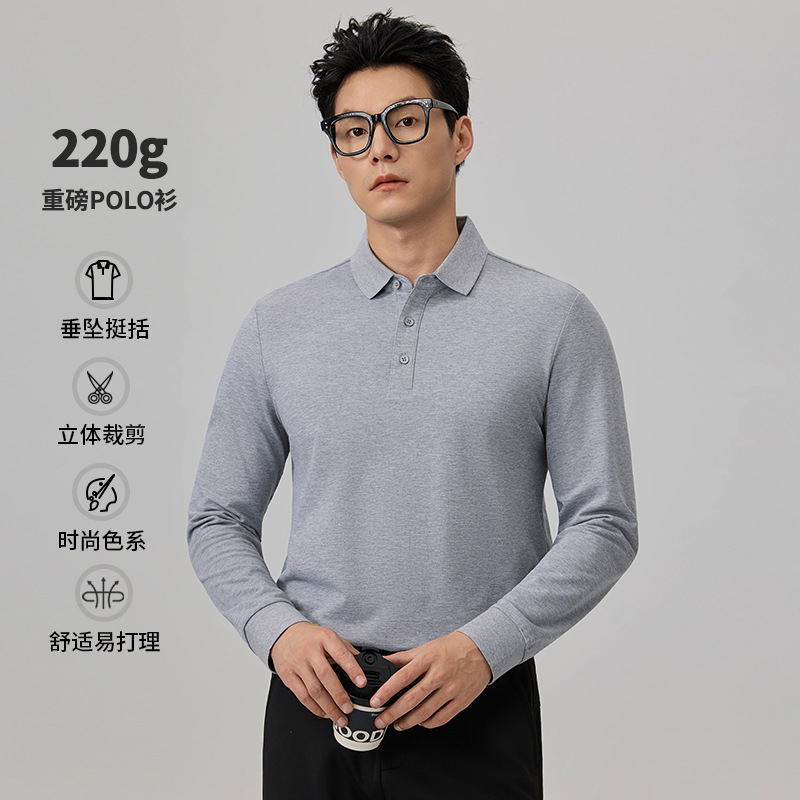
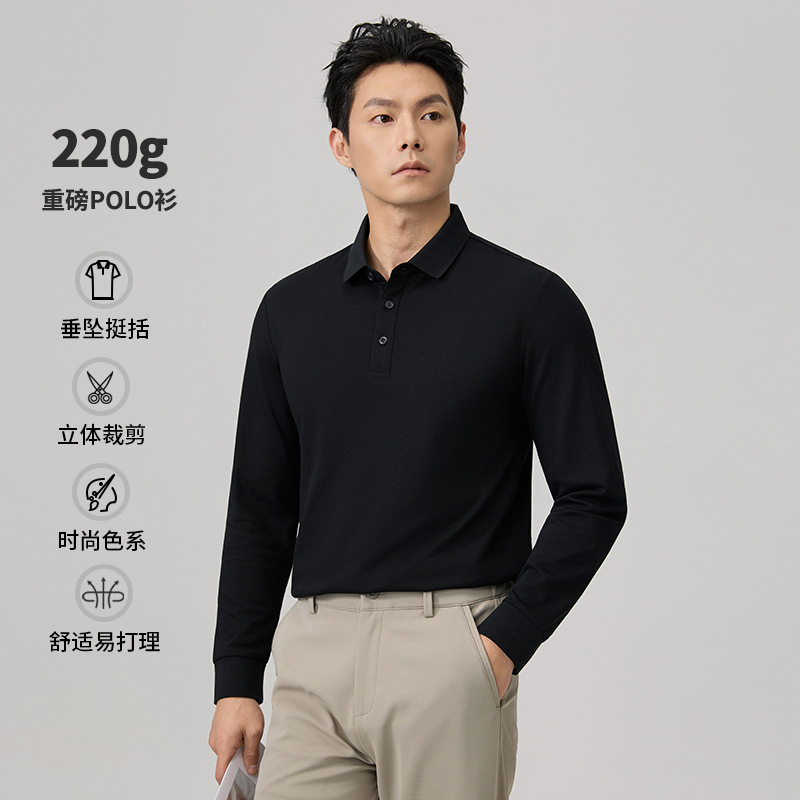
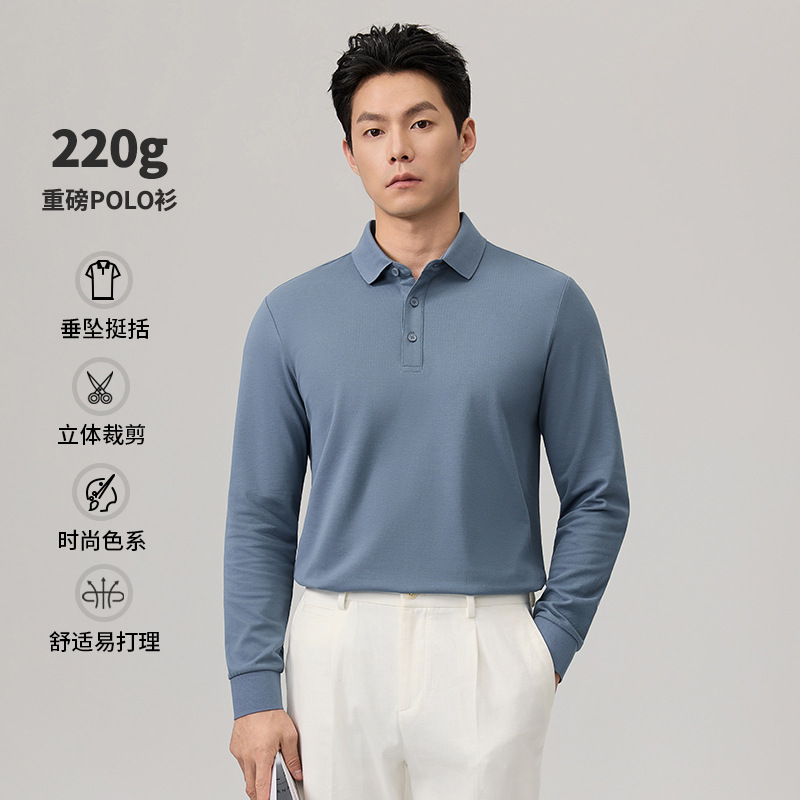
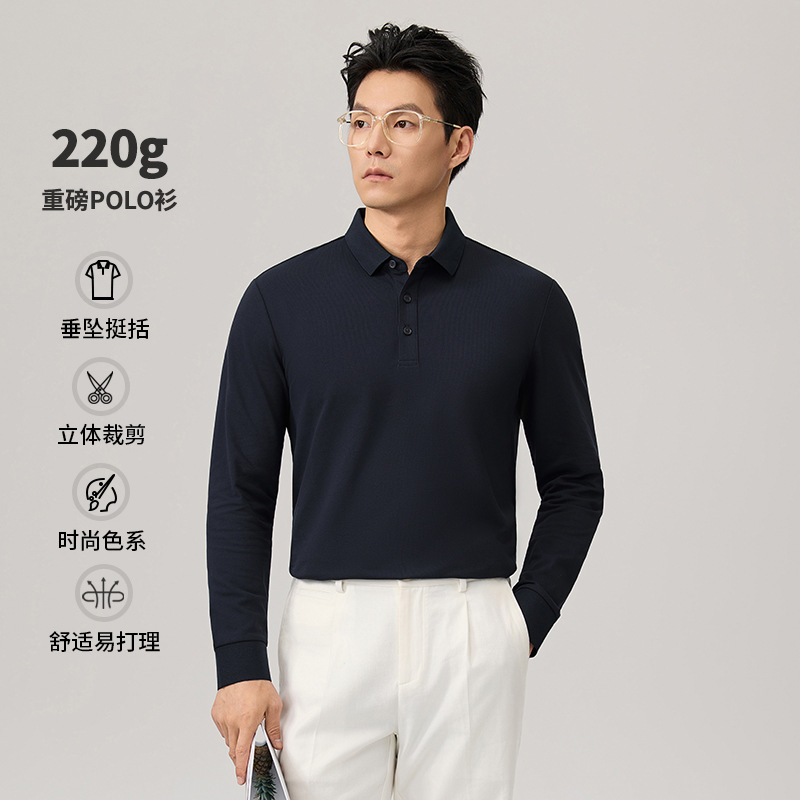
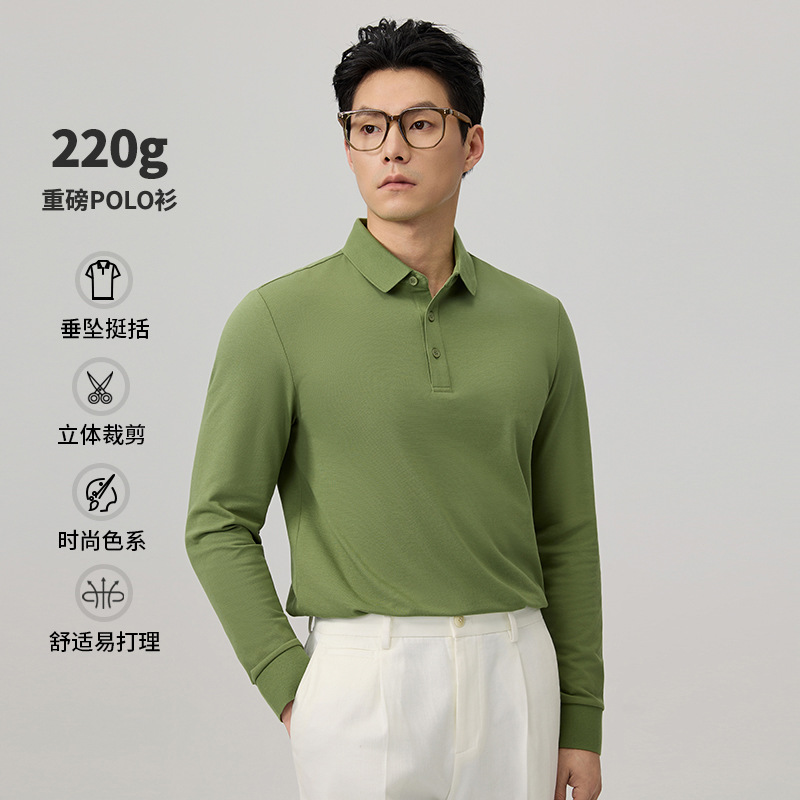
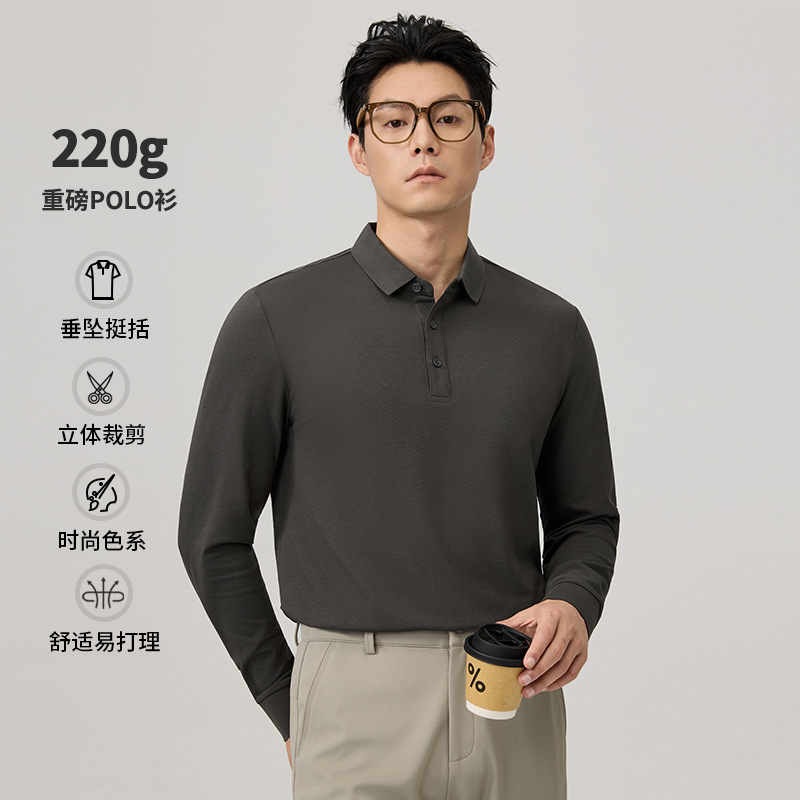
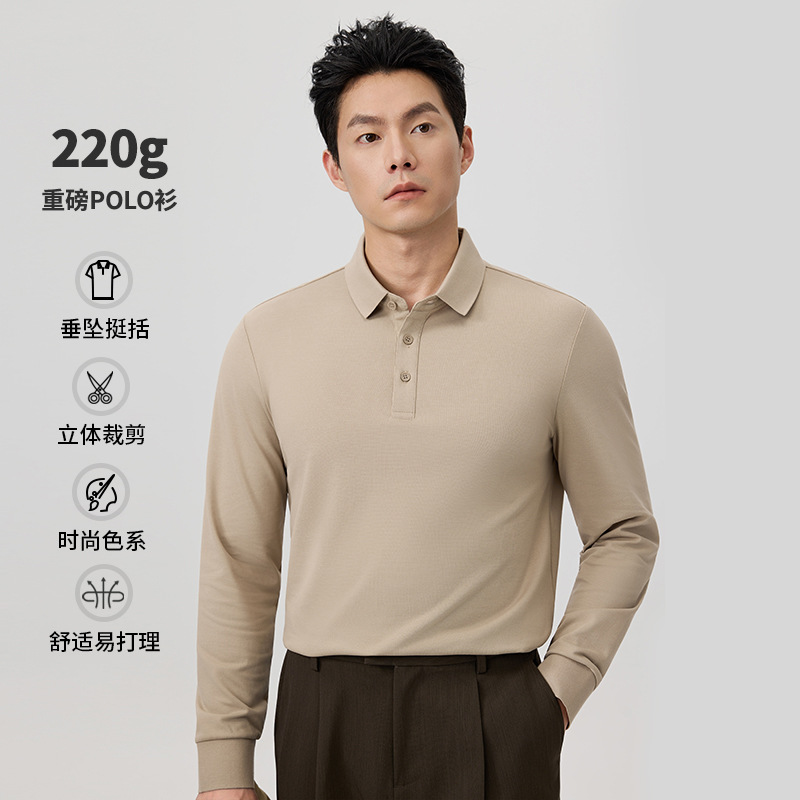
| Heavyweight combed cotton piqué polo shirt | 210–230g | Premium polo weight with denser piqué fabric |
| Lightweight crew neck French terry sweatshirt | 240–260g | Terry structure and ribbed trims move cost up again |
| Fleece-lined crew neck / hooded sweatshirt | 300–320g | Heaviest group; hood, zipper and lining add components |
When a quotation seems unusually low for a heavyweight style, the first thing to check is whether the fabric weight was actually held at the specified figure.
Minimum order quantity and why it moves
Minimum order quantity is not a fixed policy — it is usually an expression of how much setup cost a supplier is willing to absorb. Each of the following increases the minimum a factory can accept economically:
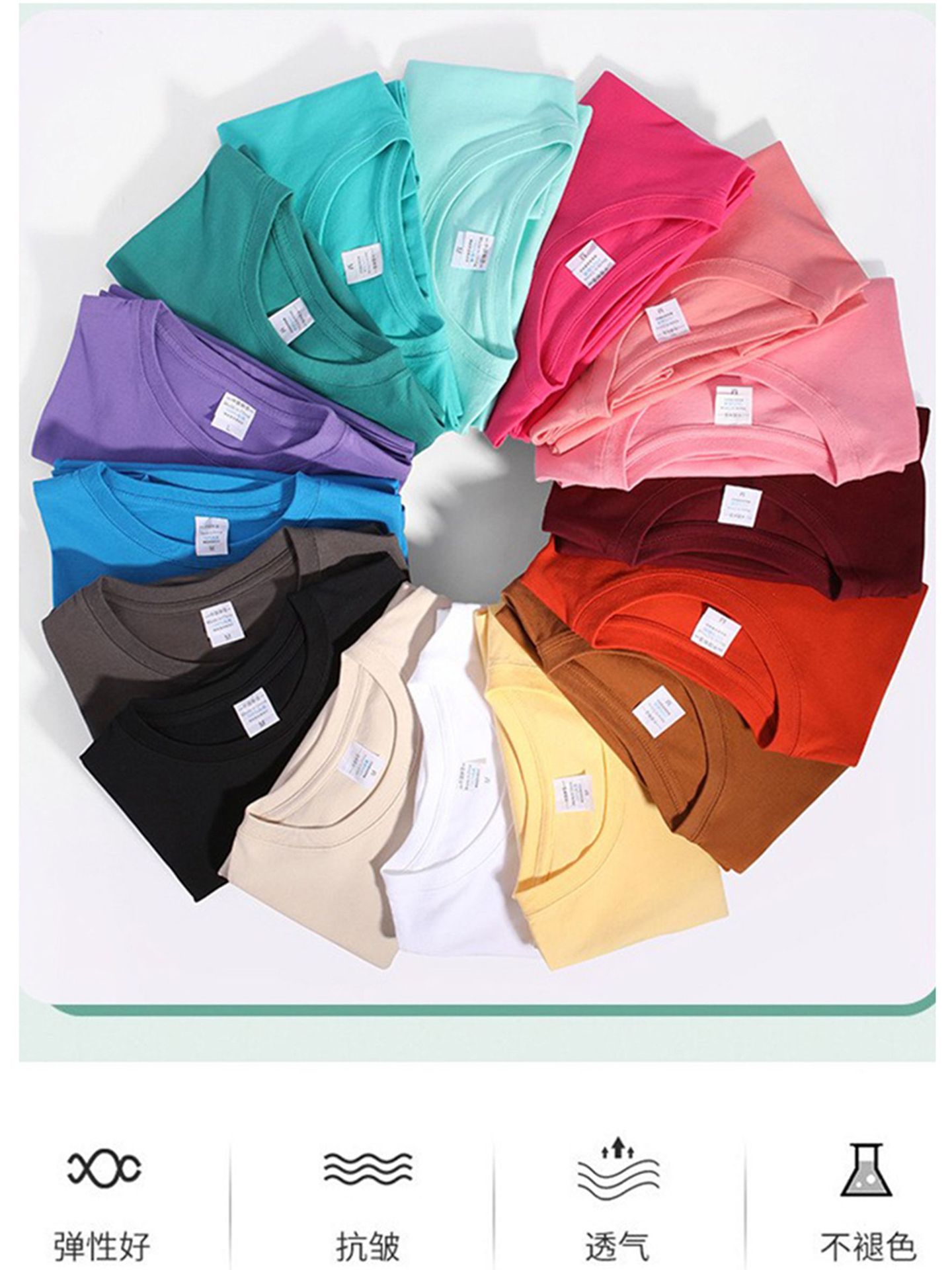
- Custom fabric in a non-stock colour or a specific yarn count.
- Custom dyeing to a specific colour reference, and whether a lab dip is required.
- Custom-developed fabric structures, such as a particular terry or piqué construction.
- Print screens or embroidery digitising for a new artwork.
- Custom labels, hangtags and packaging.
- A size or colour assortment with many low-quantity variants.
If your quantity falls below a stated minimum, the useful question is which setup costs are driving it. Sometimes the answer is that a stock fabric and stock colour would allow a lower minimum, and that trade-off is worth knowing. Our OEM & ODM customization section covers custom development requests in more detail.
Reading a lead time quotation
Lead time is rarely one number. Break it into stages and ask for each: fabric booking and dyeing, sample approval, bulk cutting, sewing, decoration, inspection, packing and dispatch. The total is the sum, not the sewing time alone.
Two clarifications matter most. First, ask what the quoted lead time assumes — whether it starts from deposit or from sample approval, and whether it assumes fabric in stock. Second, ask what happens if approval is delayed. A quotation that defines its starting point is more useful than one that does not. For a worked example of how those stages are sequenced, see planning a bulk order.
Confirming a quotation before you accept it
Before accepting, check that the quotation states the garment specification in full, which items the price includes, which are excluded, the Incoterm and where the price stops, the payment schedule and deposit percentage, the lead time with its starting point, and the validity period.
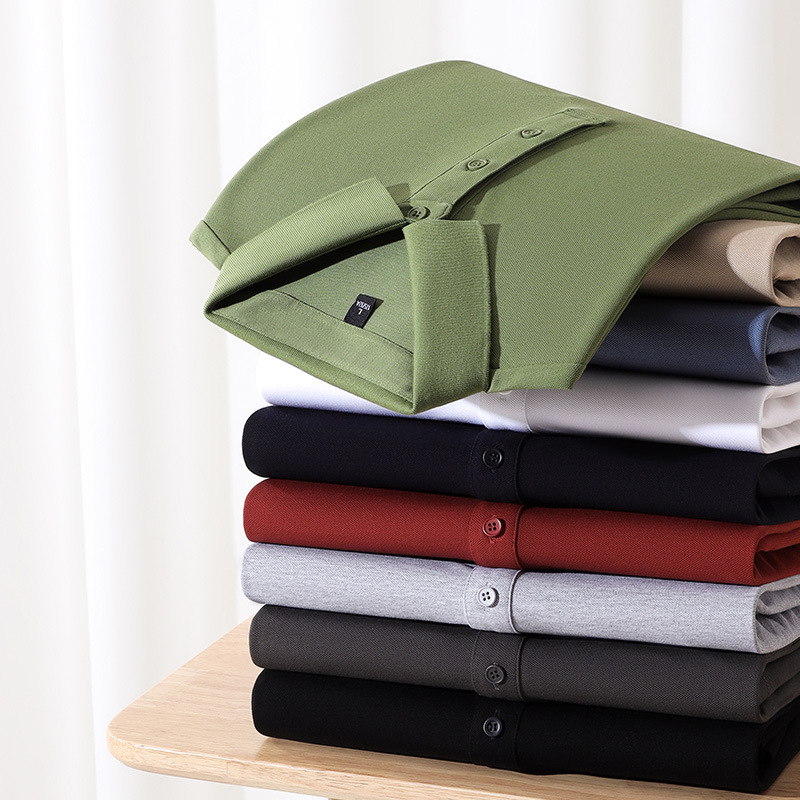
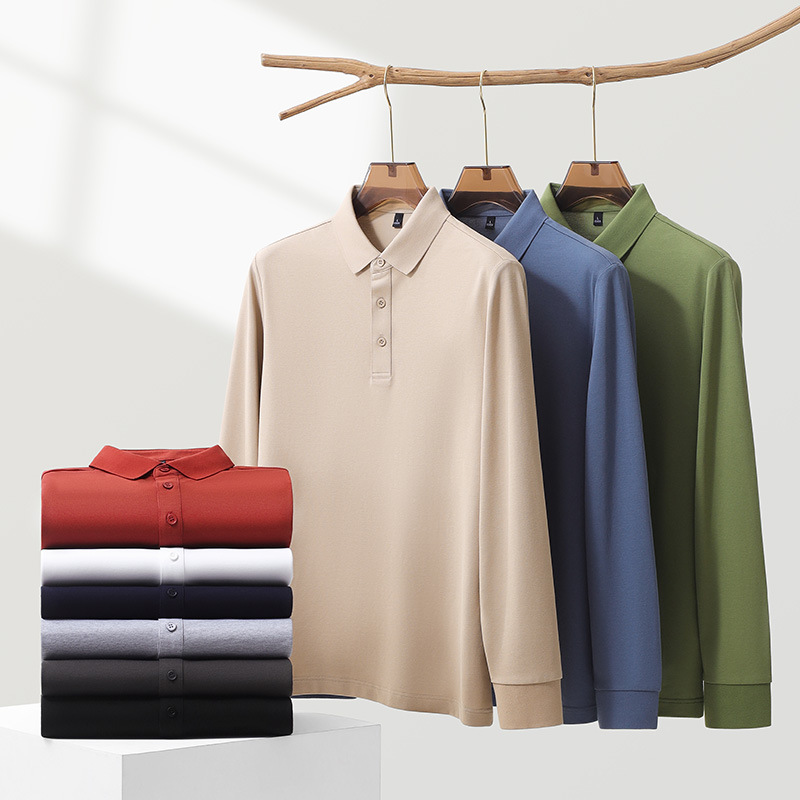
If any of these are missing, ask for them in writing. For a worked example of what a complete specification looks like, see the 200g heavyweight cotton short-sleeve T-shirt and the 220g heavyweight long-sleeve cotton piqué polo shirt product pages, then send your own requirement sheet in the same form.