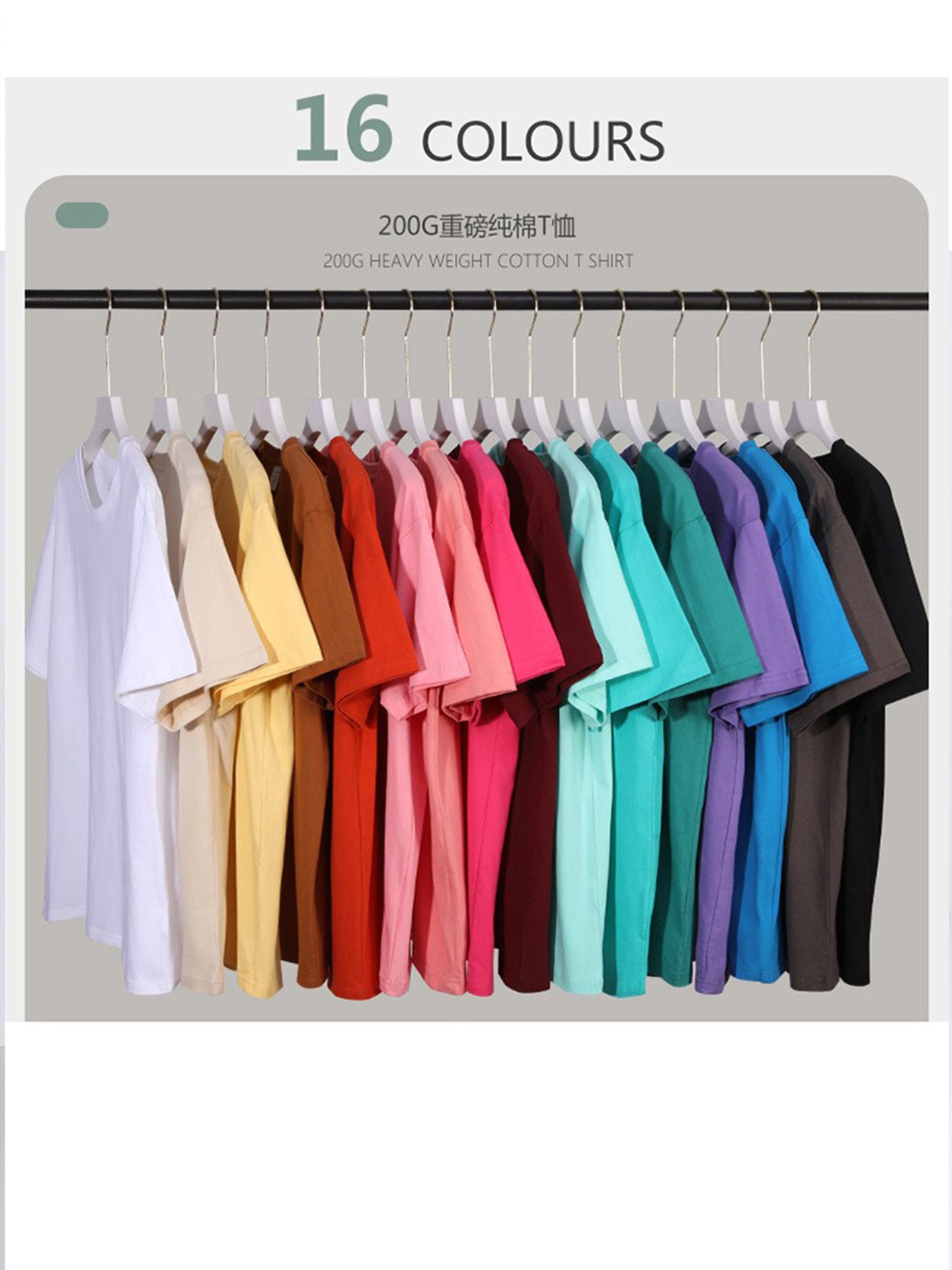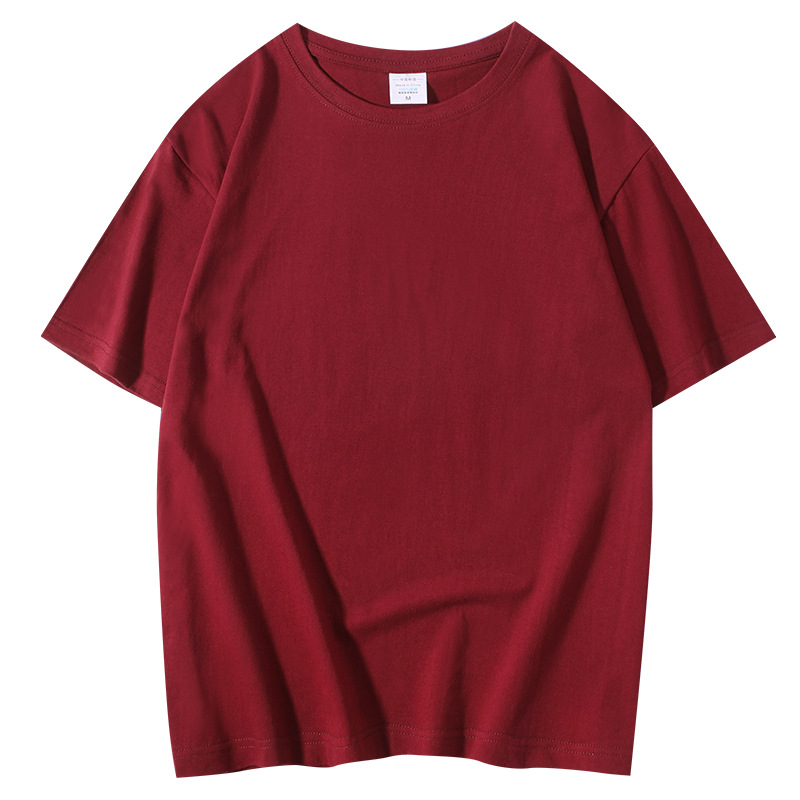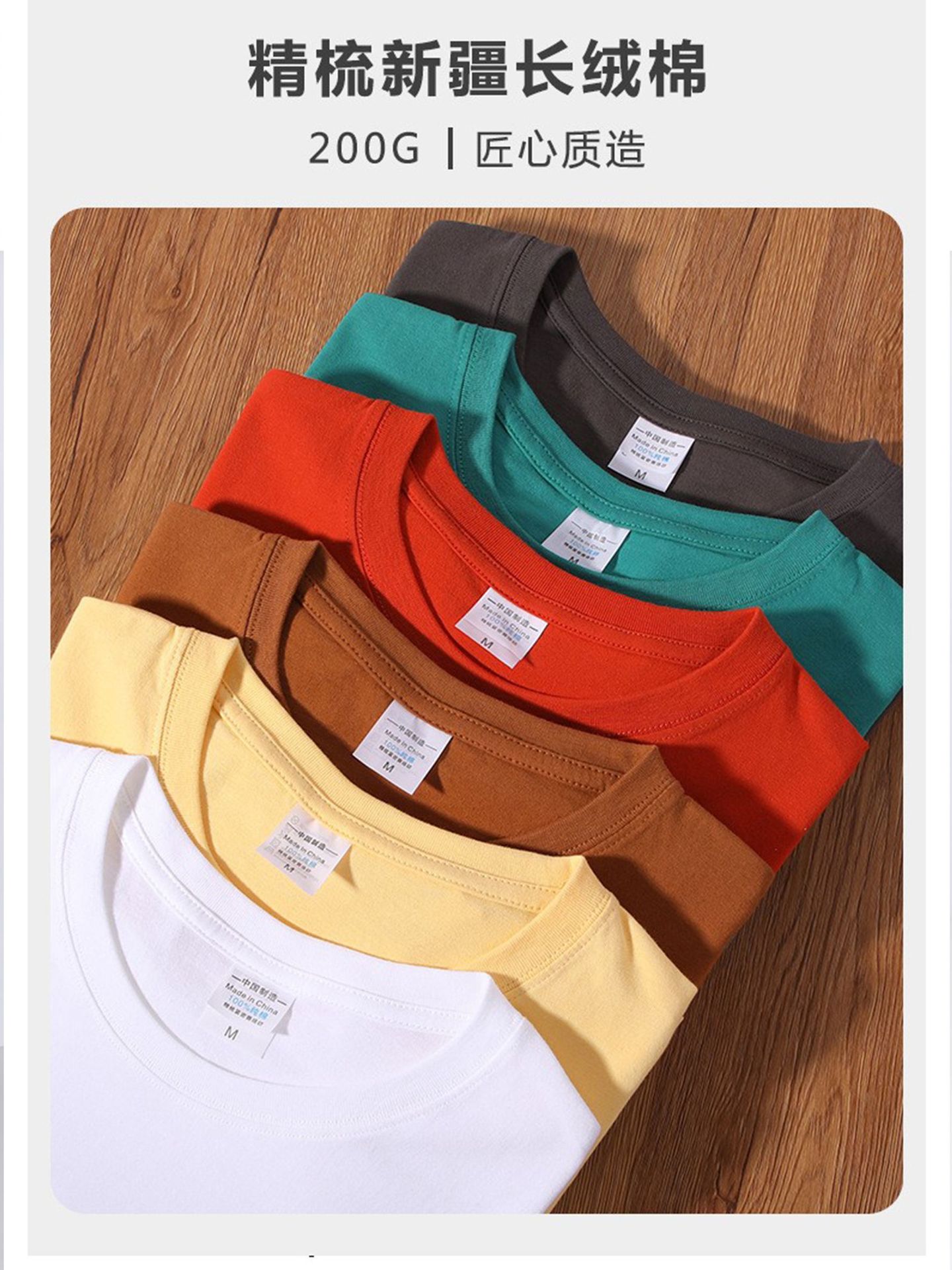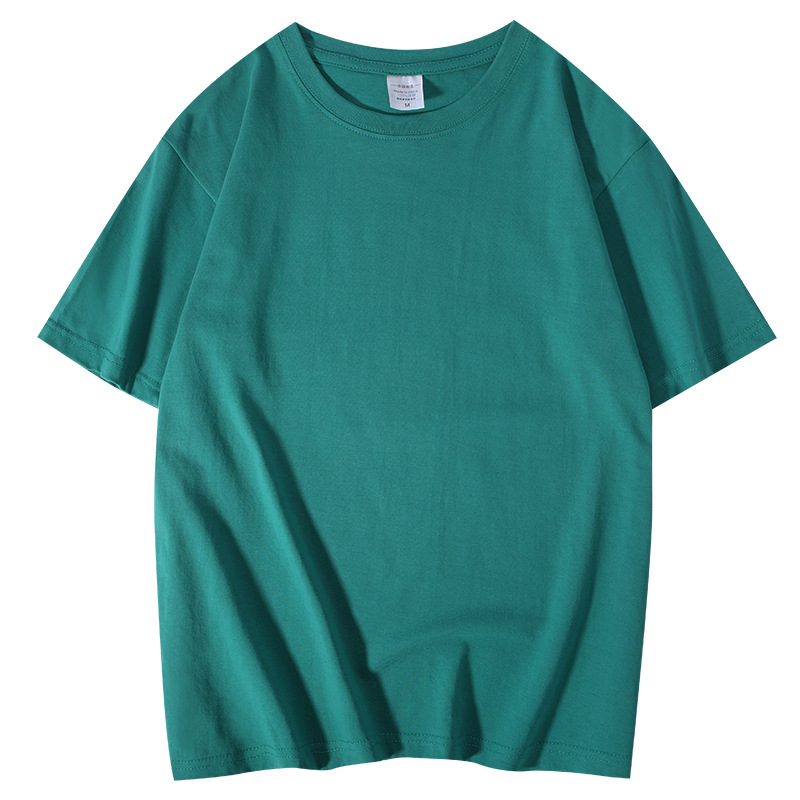
Once a custom knitwear programme is running, most of the surprises come from three places: quantity planning, artwork and colour approval, and the packaging and delivery stage. None of them are technically difficult, and all of them are cheaper to plan than to correct after goods are made.
This guide covers how to plan a bulk order for T-shirts, polo shirts and sweatshirts so that the production stage has as few open questions as possible.
Build the quantity breakdown before the order
Total quantity is the least useful number in a bulk order. What the factory needs is the split by style, colour and size, because that is what drives cutting, fabric consumption and packing.
- By style. Each garment construction is a separate line. A T-shirt, a polo and a sweatshirt cannot be treated as one quantity.
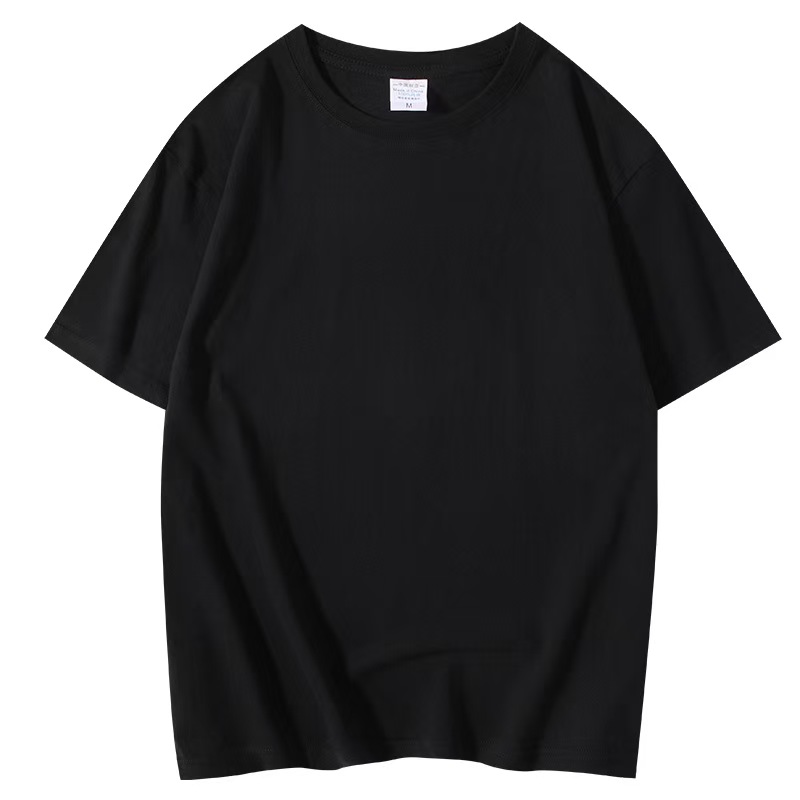
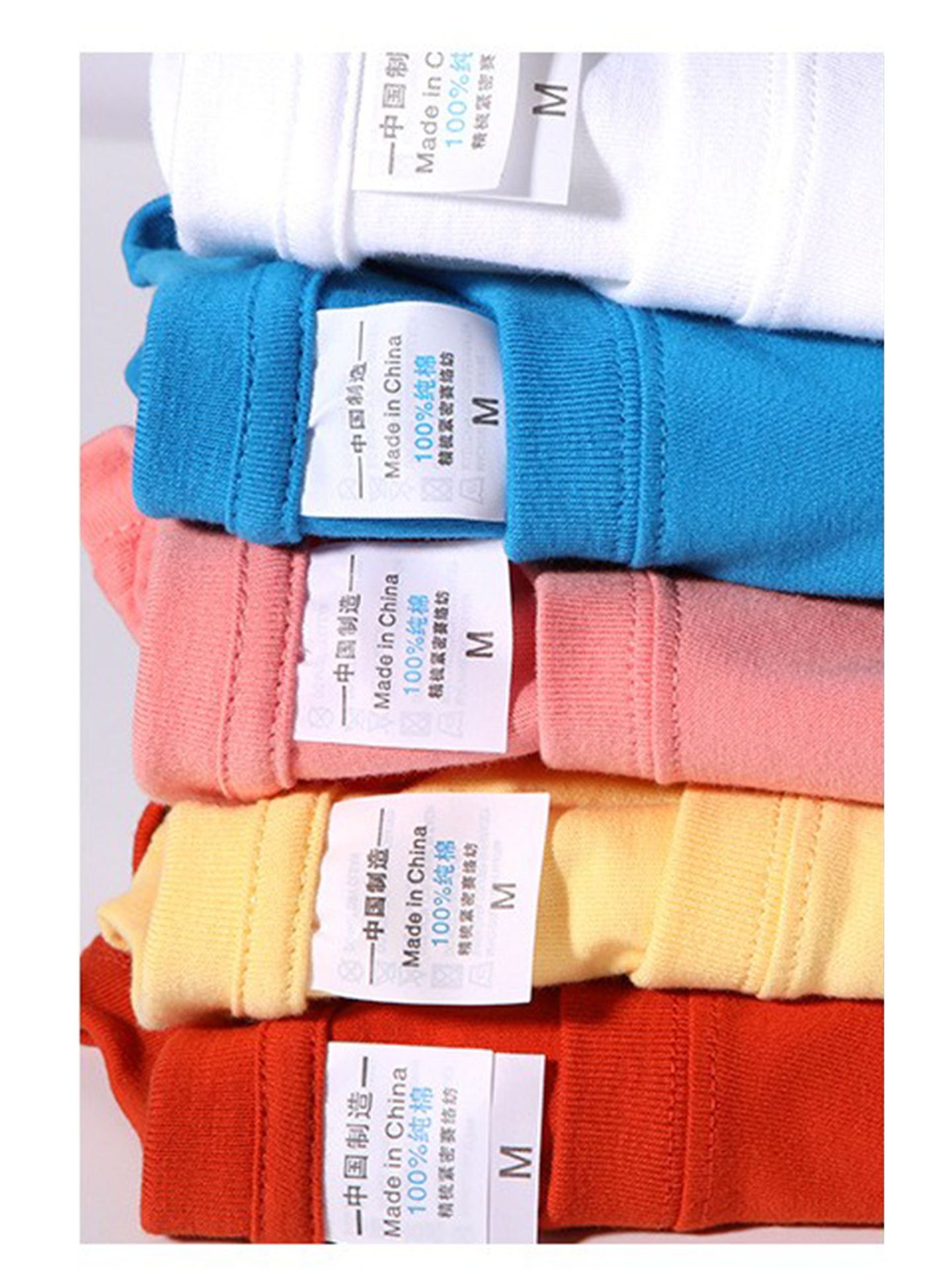
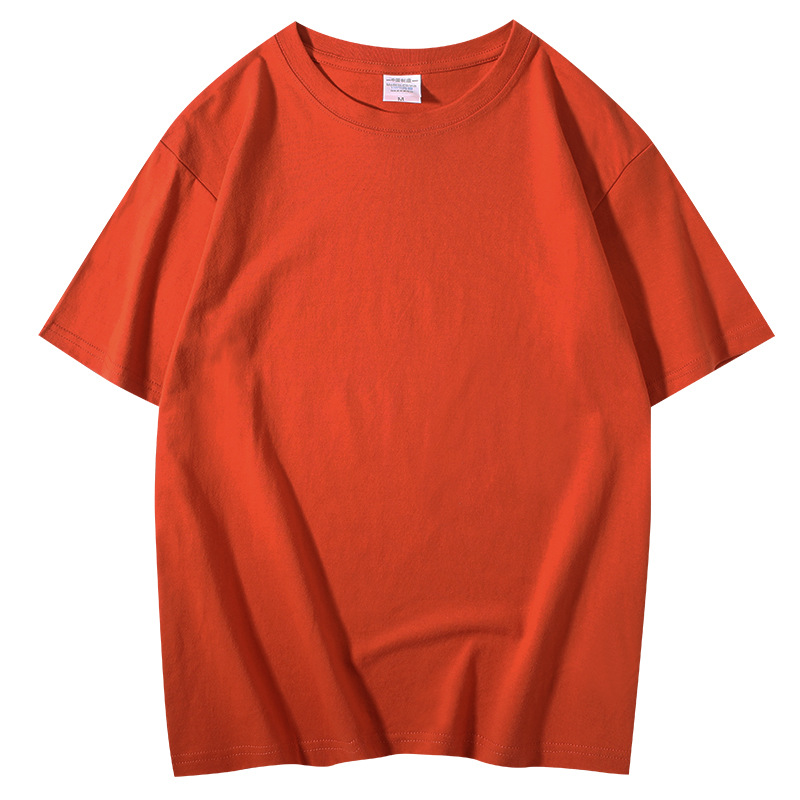
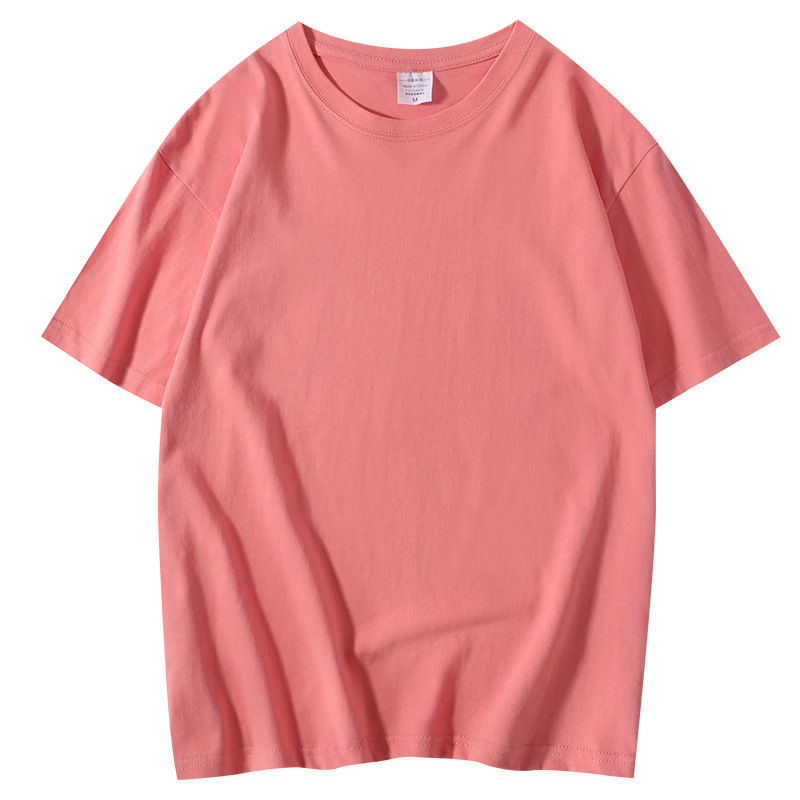
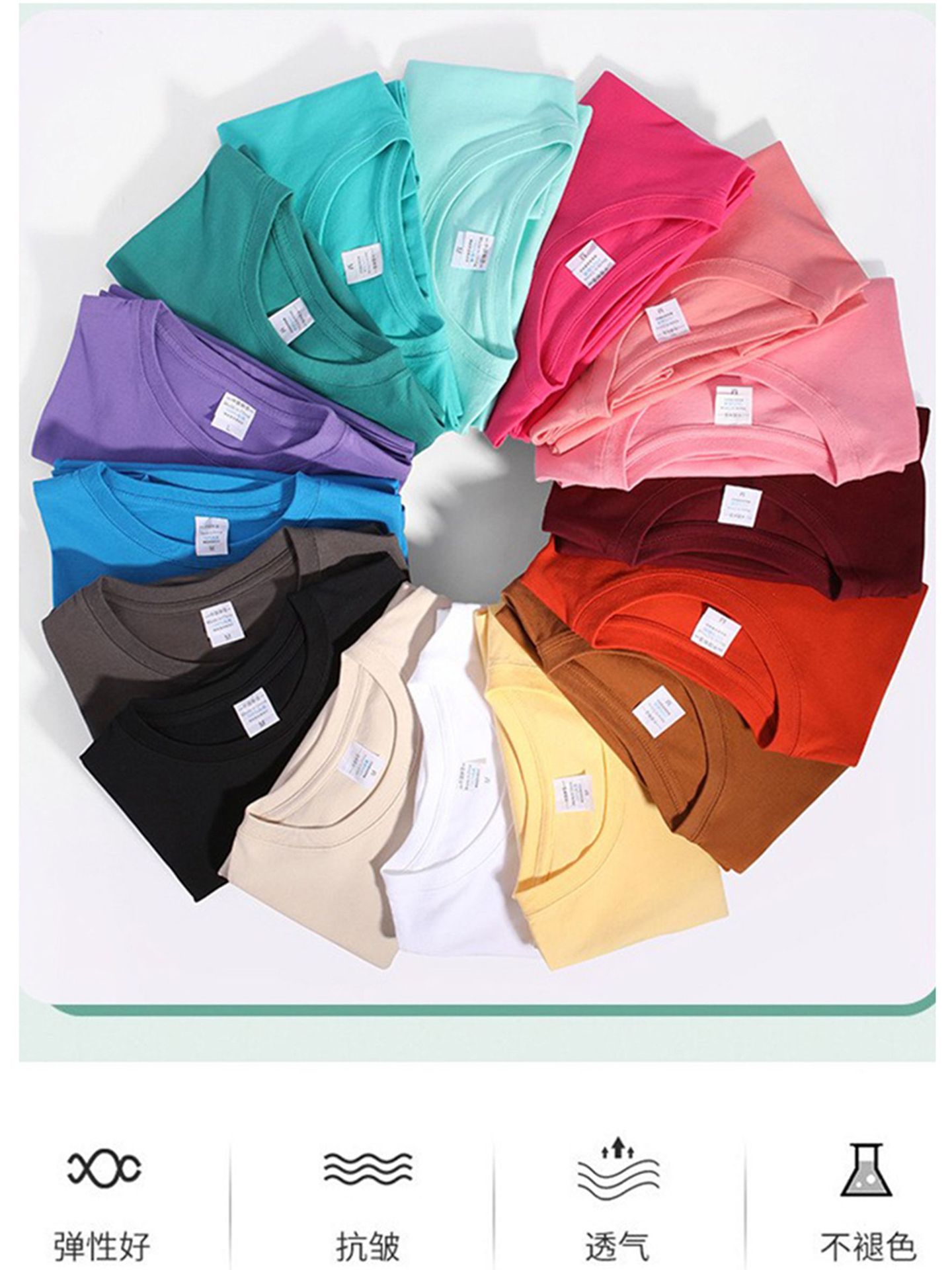
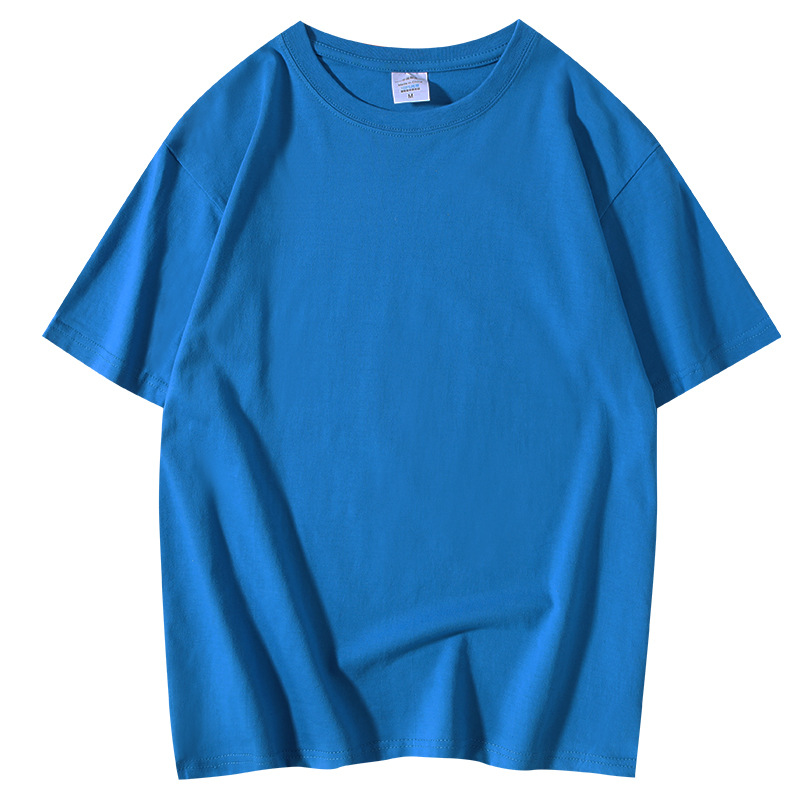
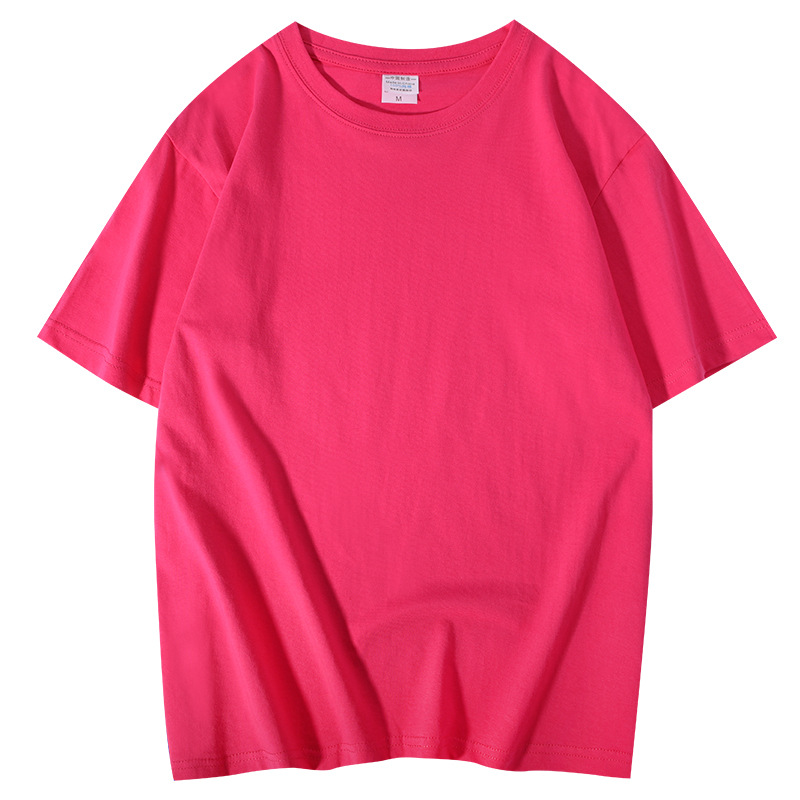
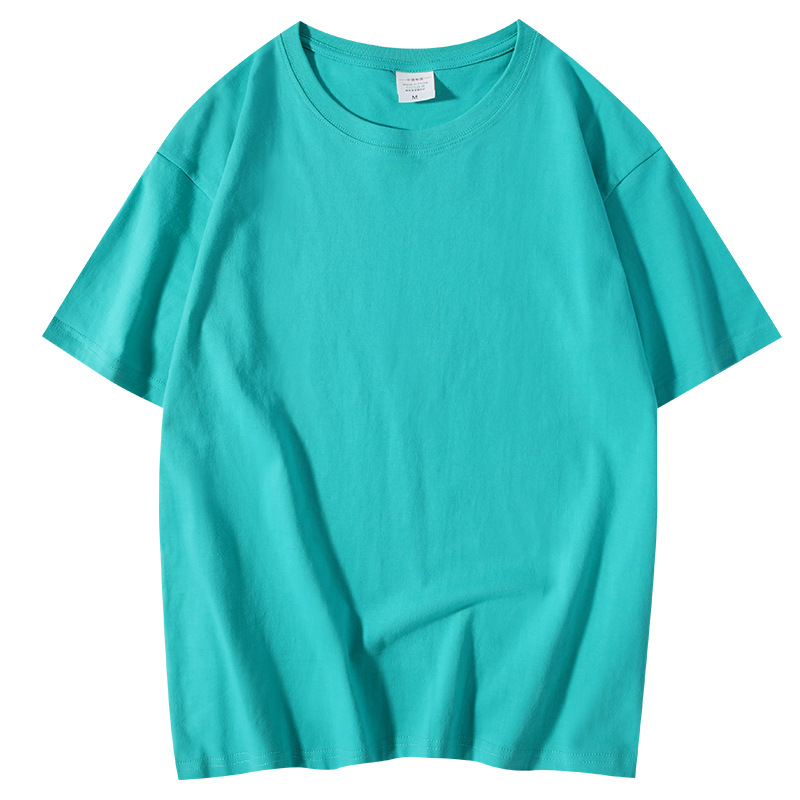
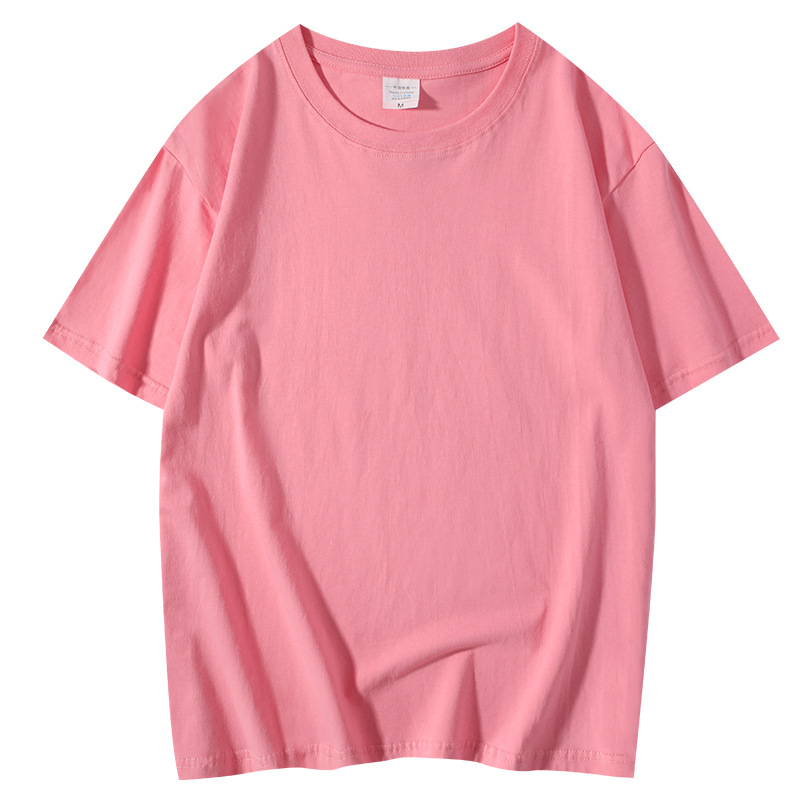
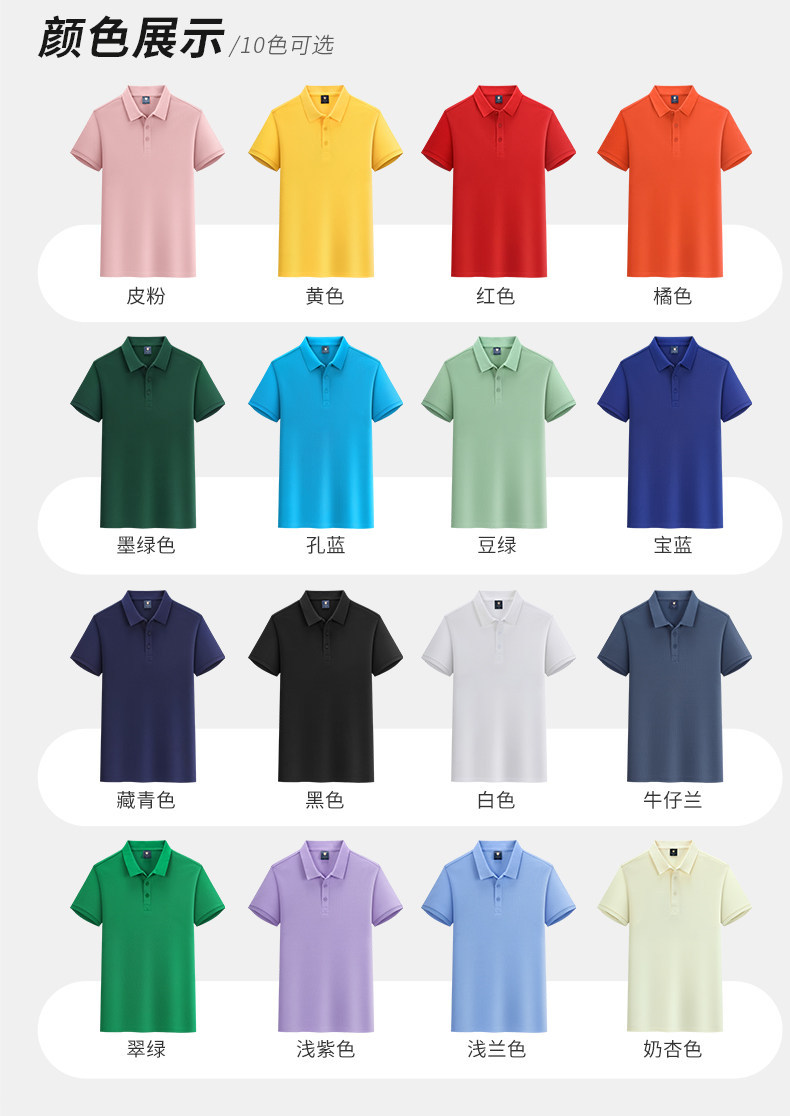
- By colour. Colours determine dye lots, print screen changes and carton separation.
- By size. Determine the size curve from your market data rather than dividing evenly, then check it against the supplier's minimum per size.
- Split ratio. Some orders are packed as a fixed assortment per carton; confirm the ratio if you need one.
- Repeat quantities. If you plan to reorder, tell the supplier before cutting so that the fabric booking covers the second run.
An uneven size curve is normal. What matters is that the supplier sees it in advance, because a size that falls below their per-size minimum may need to be adjusted or dropped.
Timeline and responsibilities by stage
A bulk order is a sequence of approvals and production steps with dependencies between them. The table below sets out the typical order and who owns each step.
| Stage | Owner | Confirm before moving on |
|---|---|---|
| Specification and quotation | Buyer | Fabric composition and weight, construction, decoration, packaging, Incoterm |
| Sample request | Buyer | Reference garment, measurement chart, artwork files, sample purpose |
| Sample production | Supplier | Any substitute materials identified in writing |
| Sample review and approval | Buyer | One consolidated revision sheet; signed approval of the reference sample |
| Colour and artwork approval | Buyer | Lab dip or strike-off approval, final artwork dimensions and placement |
| Fabric booking and dyeing | Supplier | Dye lot confirmation, fabric inspection on receipt |
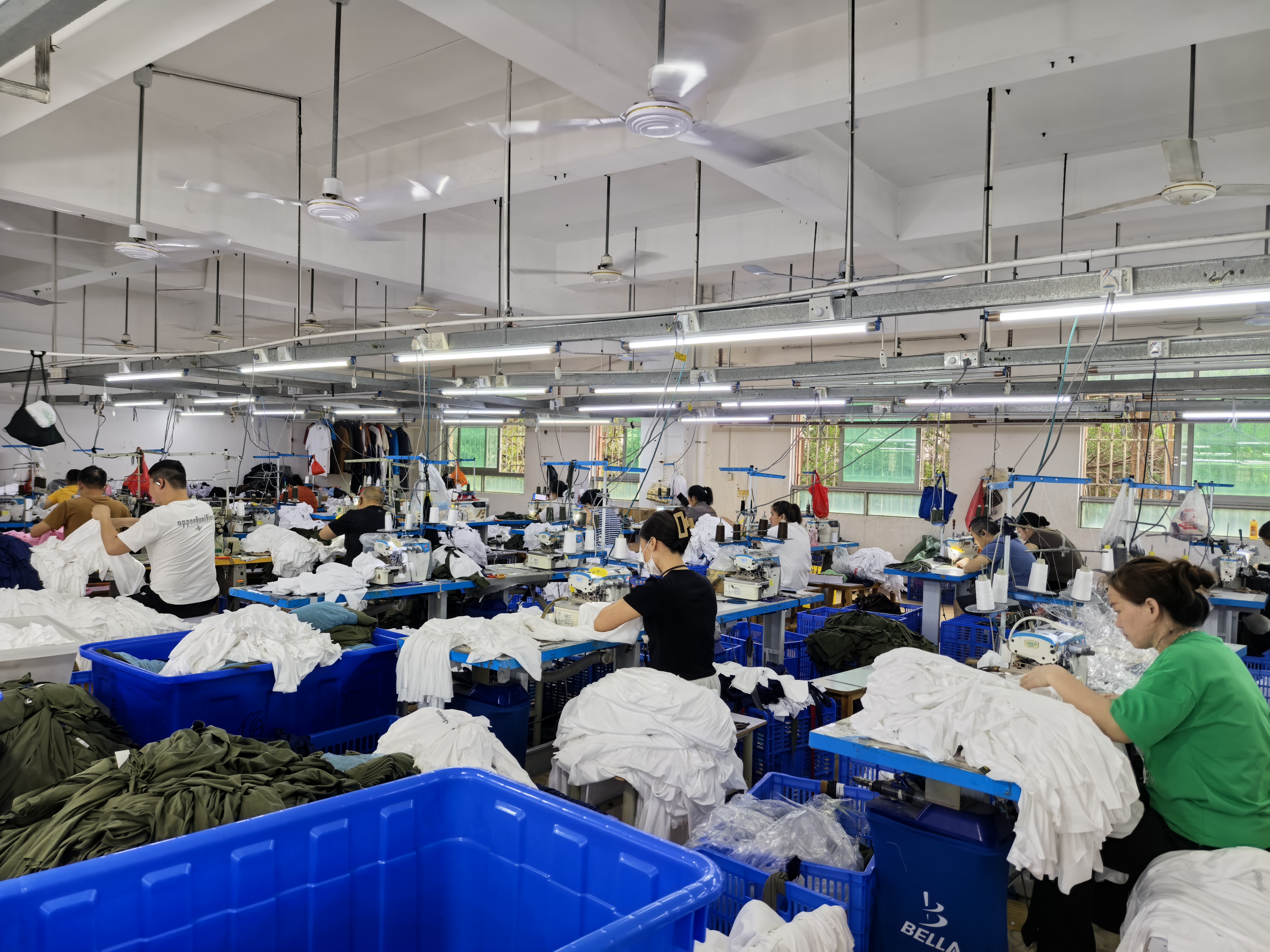
| Cutting and sewing | Supplier | In-line measurement and construction checks |
| Decoration | Supplier | First-off approval for each print or embroidery position |
| Final inspection | Supplier / third party | AQL level, measurement method, defect classification |
| Packing and dispatch | Supplier | Assortment, carton marks, packing list, shipping documents |
The two stages buyers most often underestimate are colour and artwork approval, and the packing specification. Both sit late in the schedule but depend on decisions that can be made early.
Approve colour and artwork deliberately
Colour approval is a two-part decision. The first part is the fabric colour: a lab dip confirms the shade on the actual fabric, not on screen. The second is the decoration colour, which is affected by the base fabric shade underneath and by the decoration method.
Screen printing, digital printing, heat transfer and embroidery all reproduce the same artwork differently. Embroidery changes fine detail and small text; printing depends on colour count and coverage; heat transfer can carry more colours but has its own durability profile under washing. Approve the method before you approve the artwork, not after.
Ask for a physical approval piece in all cases. A digital proof on a monitor cannot confirm how a colour reads against a dyed fabric. If the artwork has a spot colour that matters commercially, say so explicitly so it can be matched as a priority rather than as one colour among several.
For a fuller comparison, see printing or embroidery for your custom apparel logo.
Handle changes with one revision record
Changes during a bulk order are workable if they are recorded. Keep a single revision sheet per order and give every comment the same three parts: the location on the garment, a description of the issue, and the requested change.
"The left sleeve hem is 1.5 cm longer than the approved sample; bring it to the approved length" is a usable comment. "Sleeve looks off" is not, because it leaves the supplier to guess what will satisfy you. Also state clearly which comments are mandatory before shipping and which can be handled in a later run.
Plan packaging and delivery early
Packaging is the last stage and therefore the one most likely to become a delay. Decide it while the order is being placed:
- Individual polybag or bulk packed by colour and size.
- Whether items need barcodes, hangtags or retail-ready presentation.
- Carton dimensions and weight limits, plus any maximum height your warehouse or retailer accepts.
- Assortment ratio per carton if you are packing mixed sizes or colours.
- Shipping marks, carton labels and the document set you expect.
Confirm the Incoterm at the same time so that it is clear where the supplier's responsibility ends, and which party is arranging freight, insurance and customs clearance.
Reordering without repeating the setup work
A reorder should be faster than the first order, but only if the reference information was preserved. Keep the approved sample, the sealed specification, the artwork files with their approved dimensions, the approved colour references and the packaging specification together in one file.
On a reorder, confirm three things: that the fabric specification is unchanged, that the colour references still apply to the new dye lot, and that the lead time still assumes the same conditions. These are the points where a repeat order most often diverges from the original.
Preparing your bulk order request
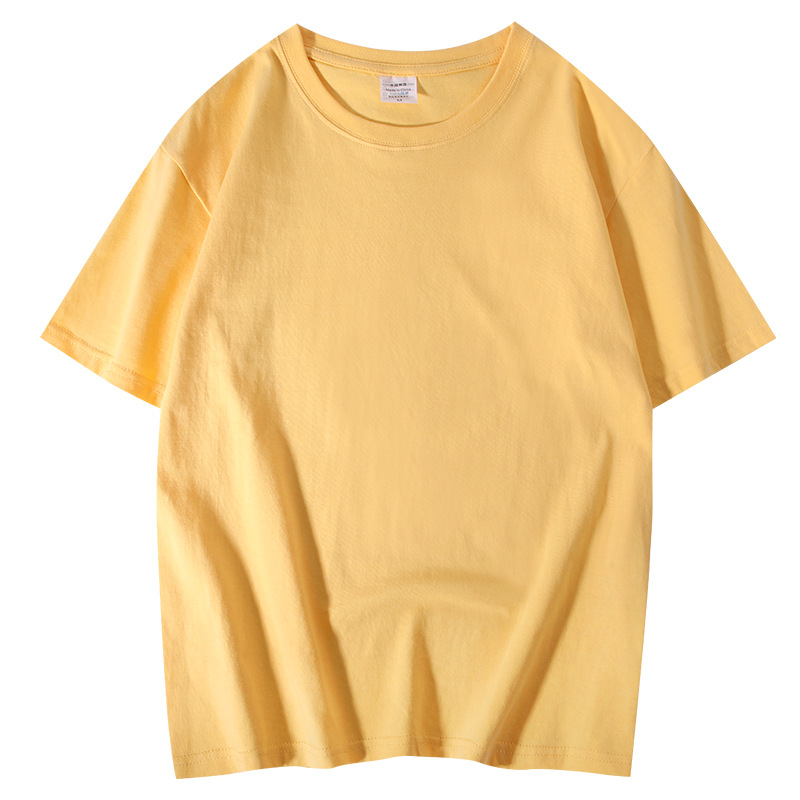
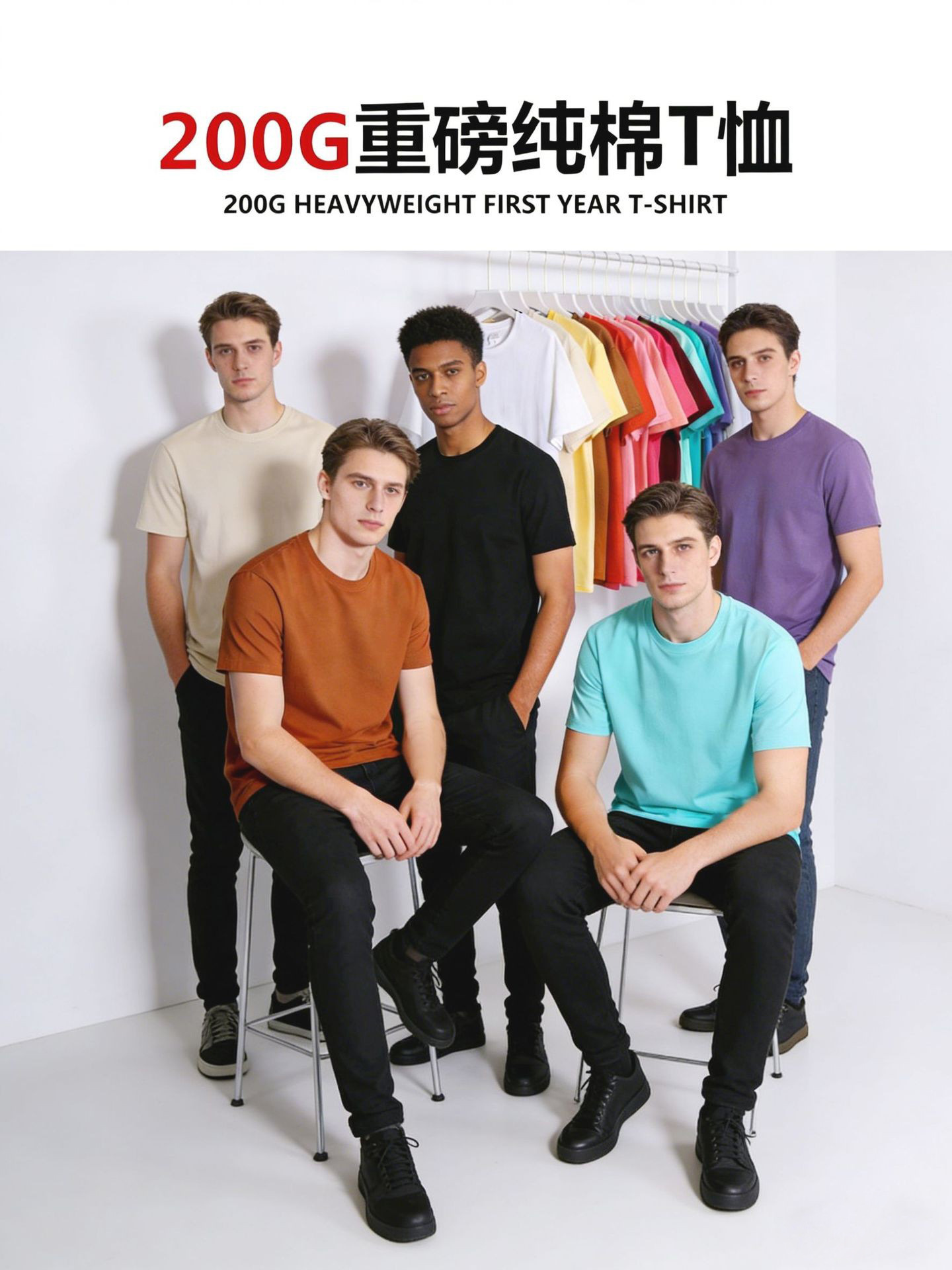
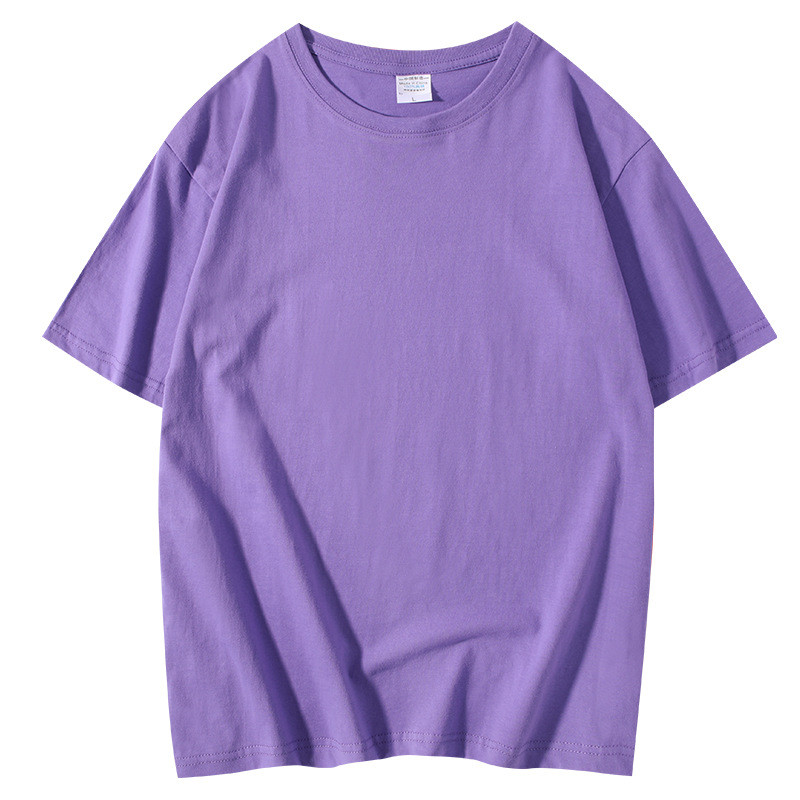
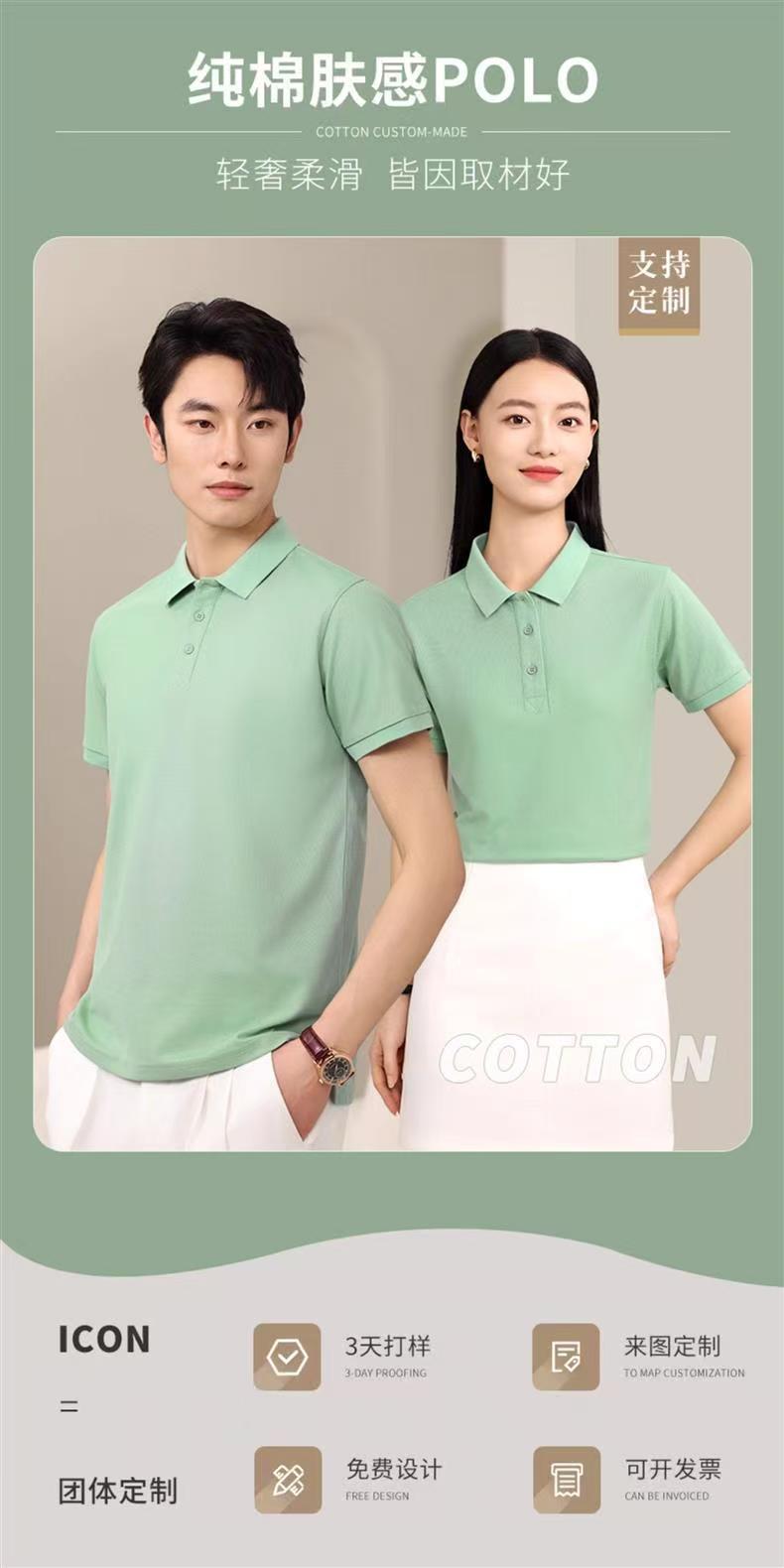
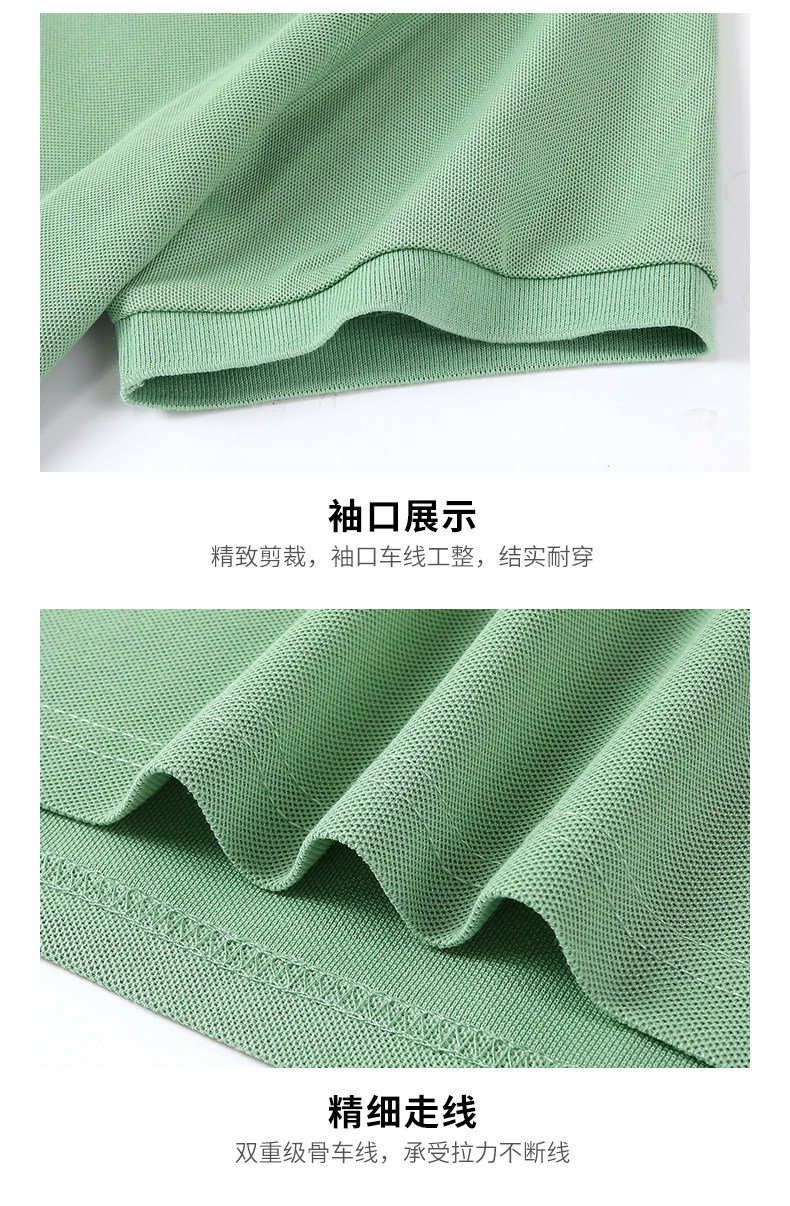
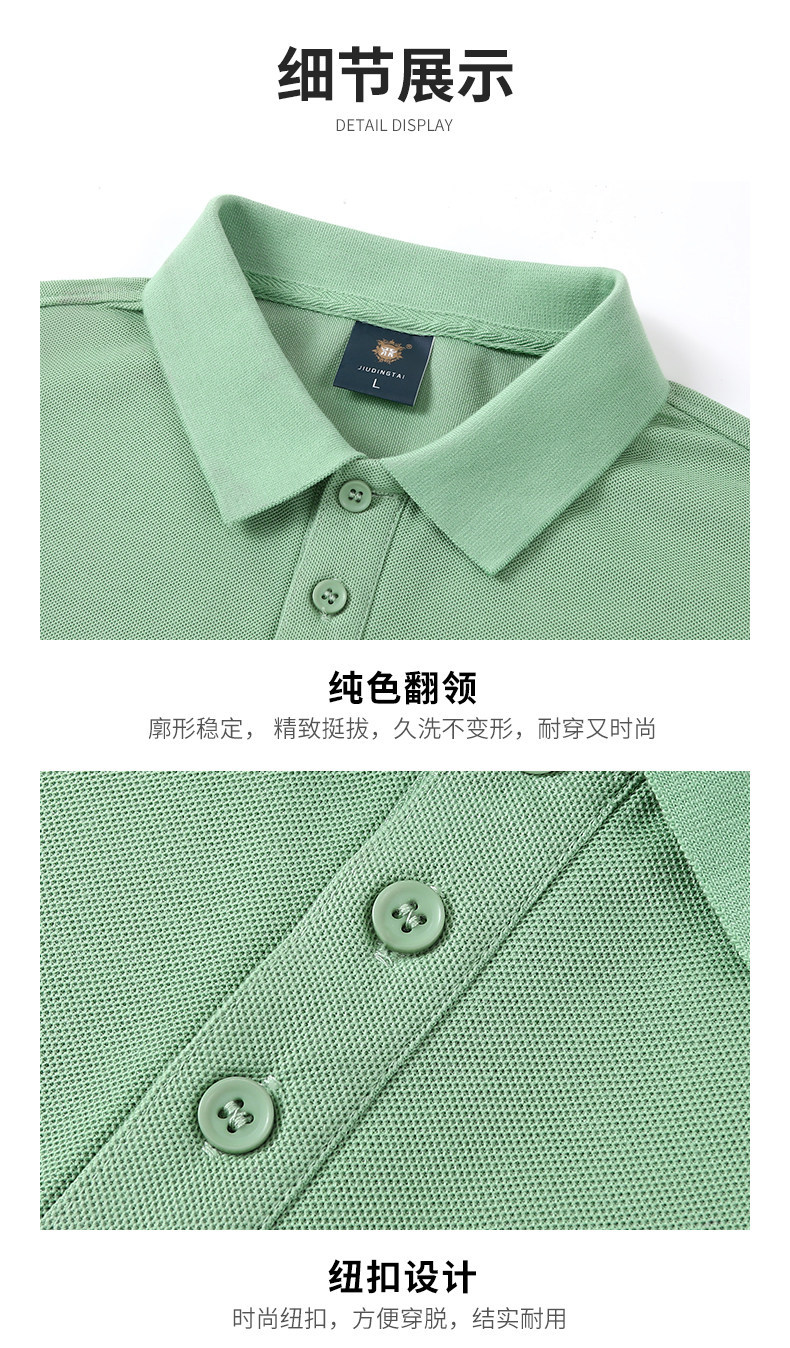
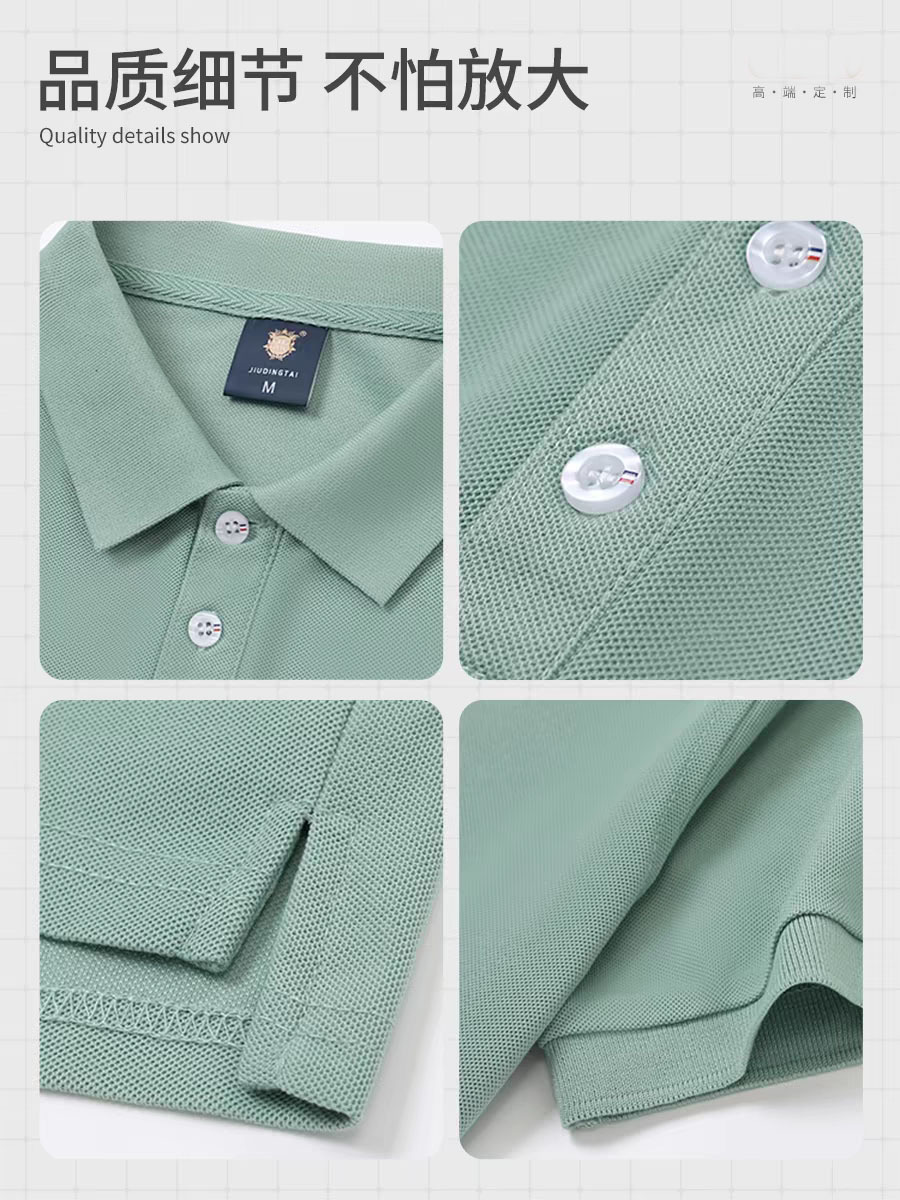
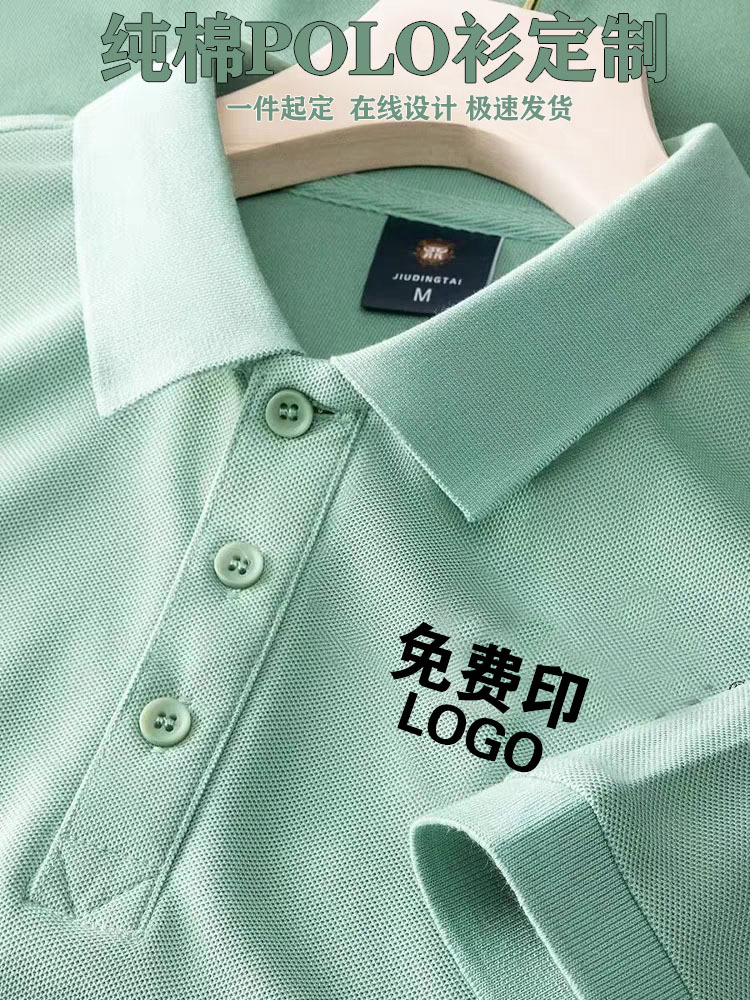
Send the requirement as one package: specification sheet, quantity breakdown by style, colour and size, artwork and placement, packaging requirements, target delivery window and destination. Reference similar products so the construction is unambiguous — the 200g heavyweight cotton short-sleeve T-shirt, the 180–200g cotton piqué polo shirt and the 240–260g lightweight crew neck French terry sweatshirt cover the three main constructions in this range. A complete request at the start removes most of the uncertainty from the production stage.