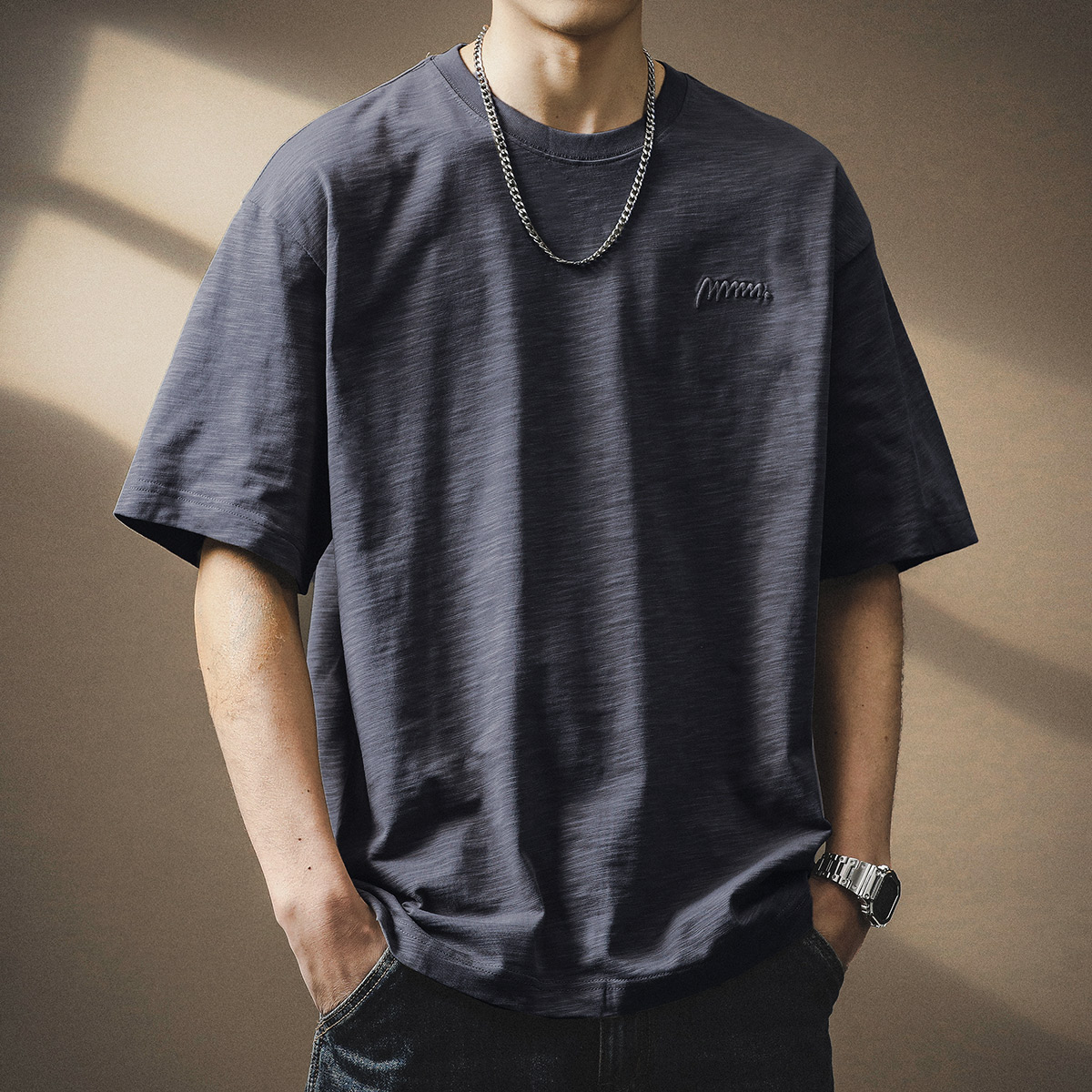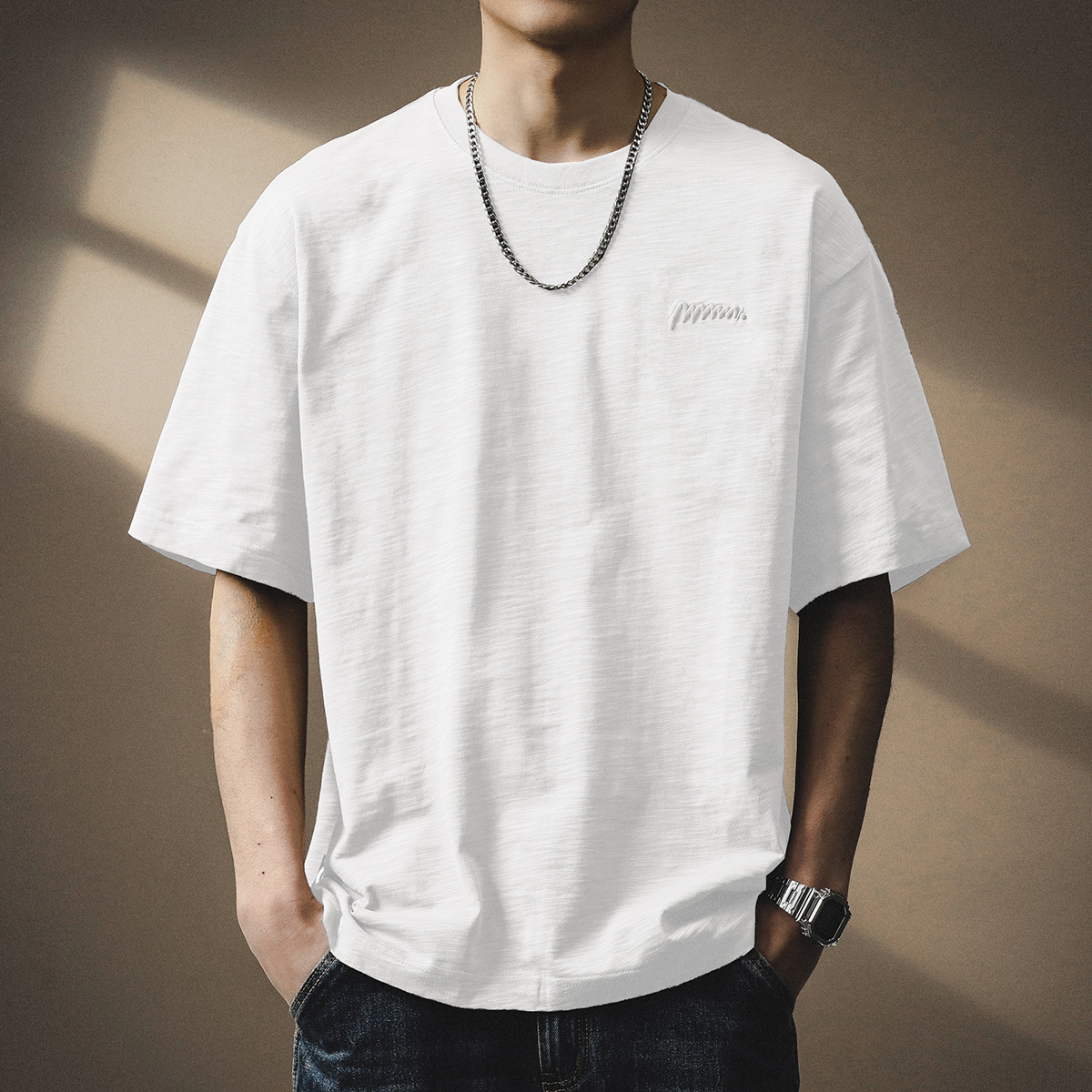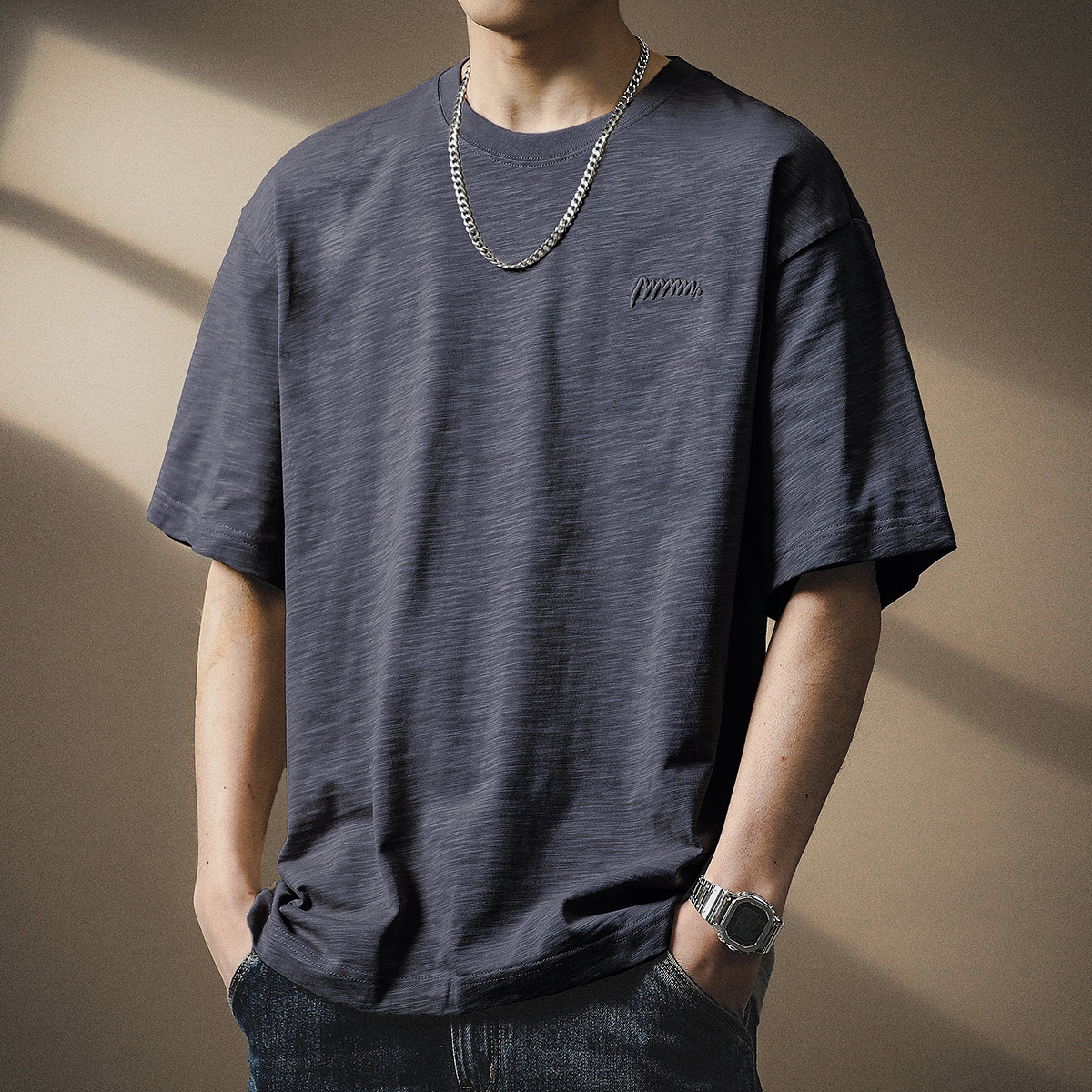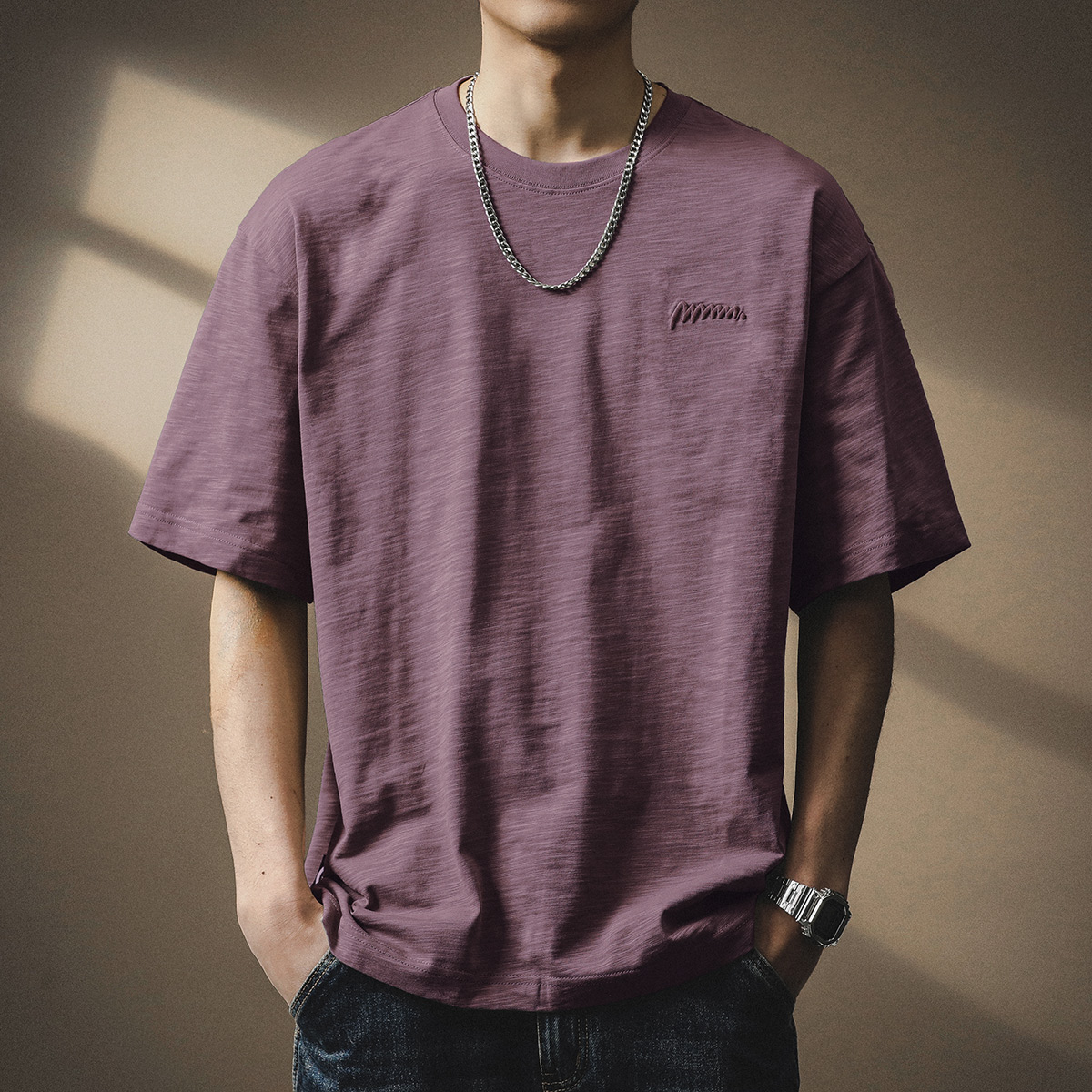
Buyers often start a custom apparel project by asking about fabric, when the more consequential question is which garment they are actually making. A t-shirt, a polo and a sweatshirt are not interchangeable formats at different price points — they carry different signals, suit different occasions, and fail in different ways when chosen for the wrong context.
1. What Each Garment Communicates
Before price and fabric, consider what the garment says to the person receiving it:
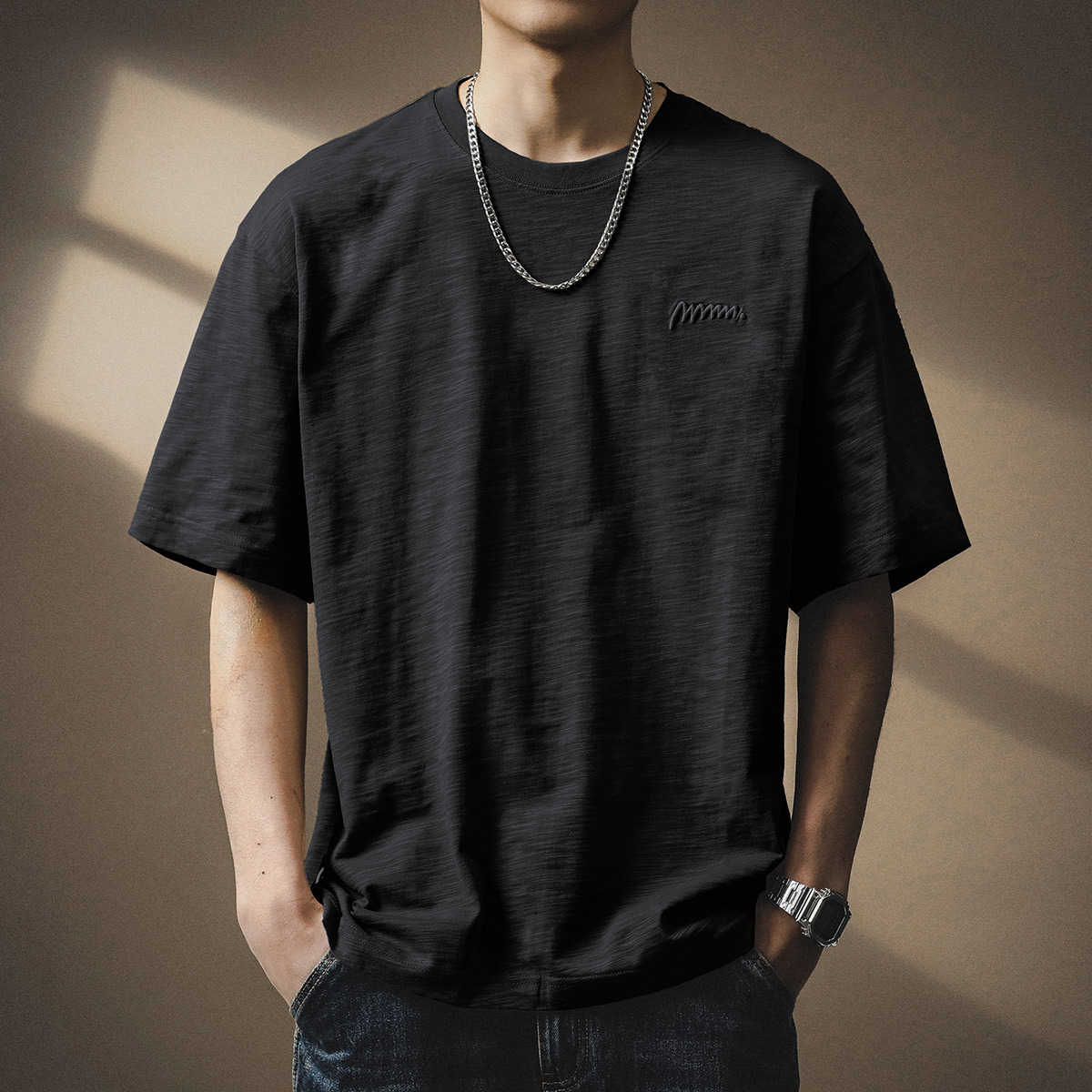
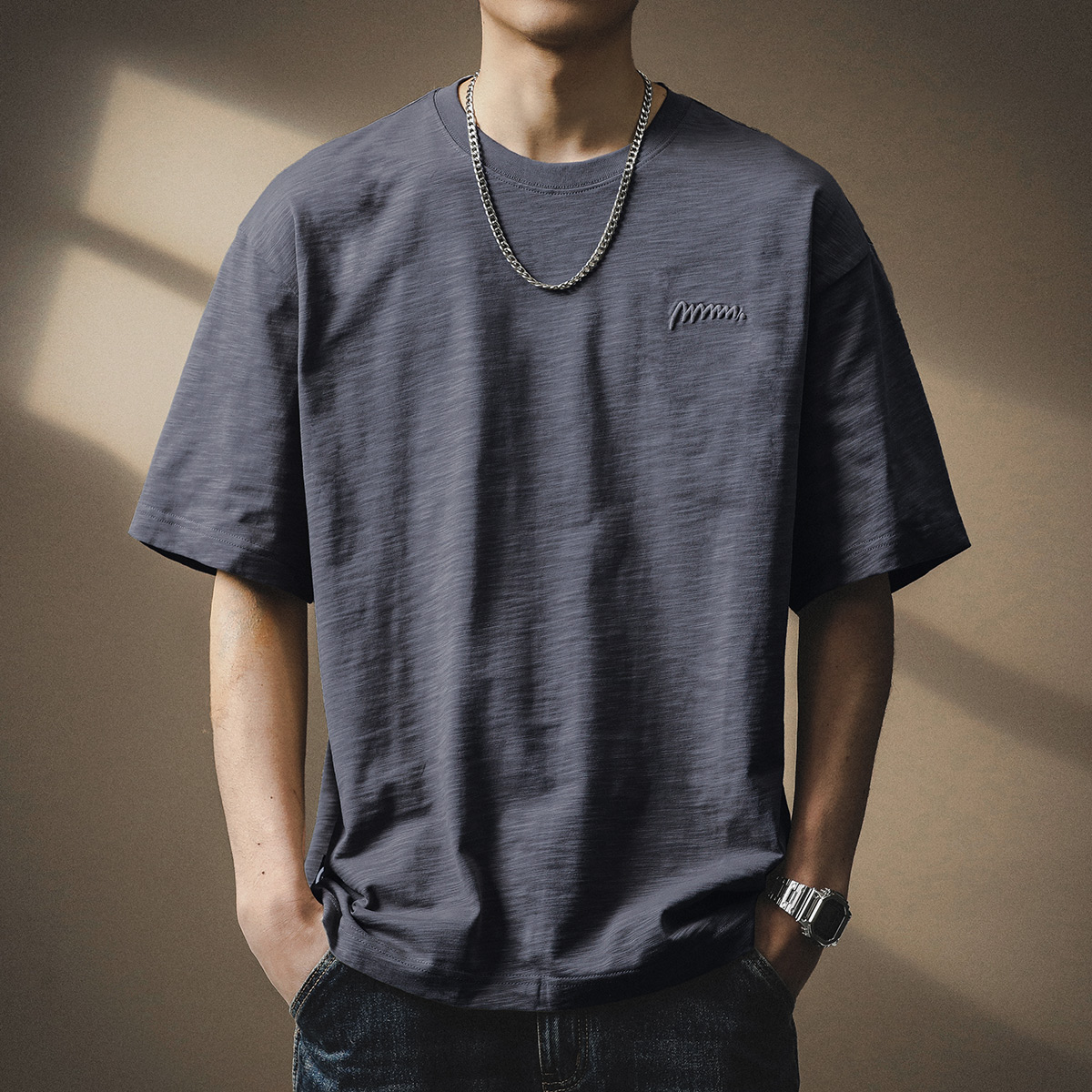
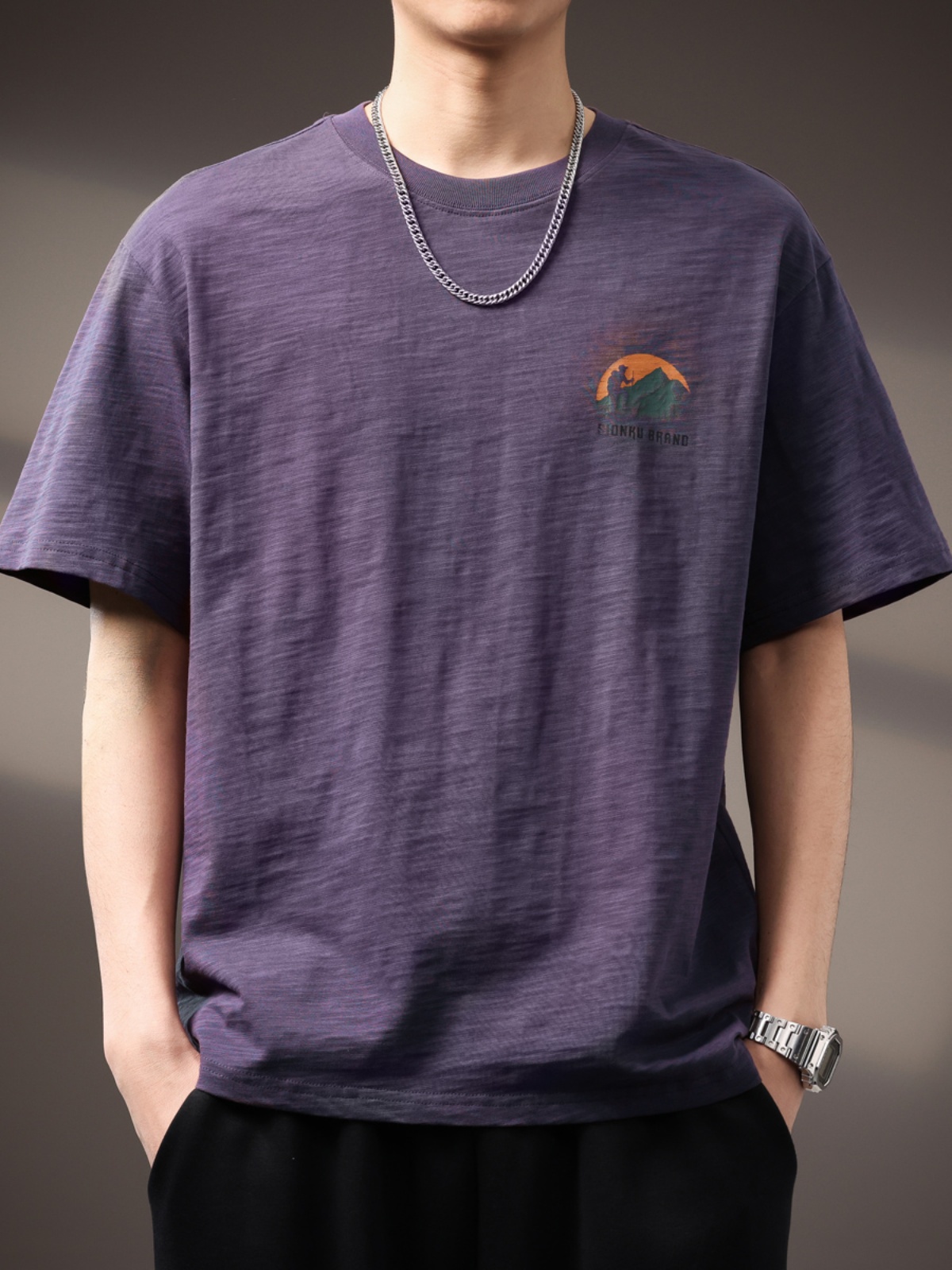
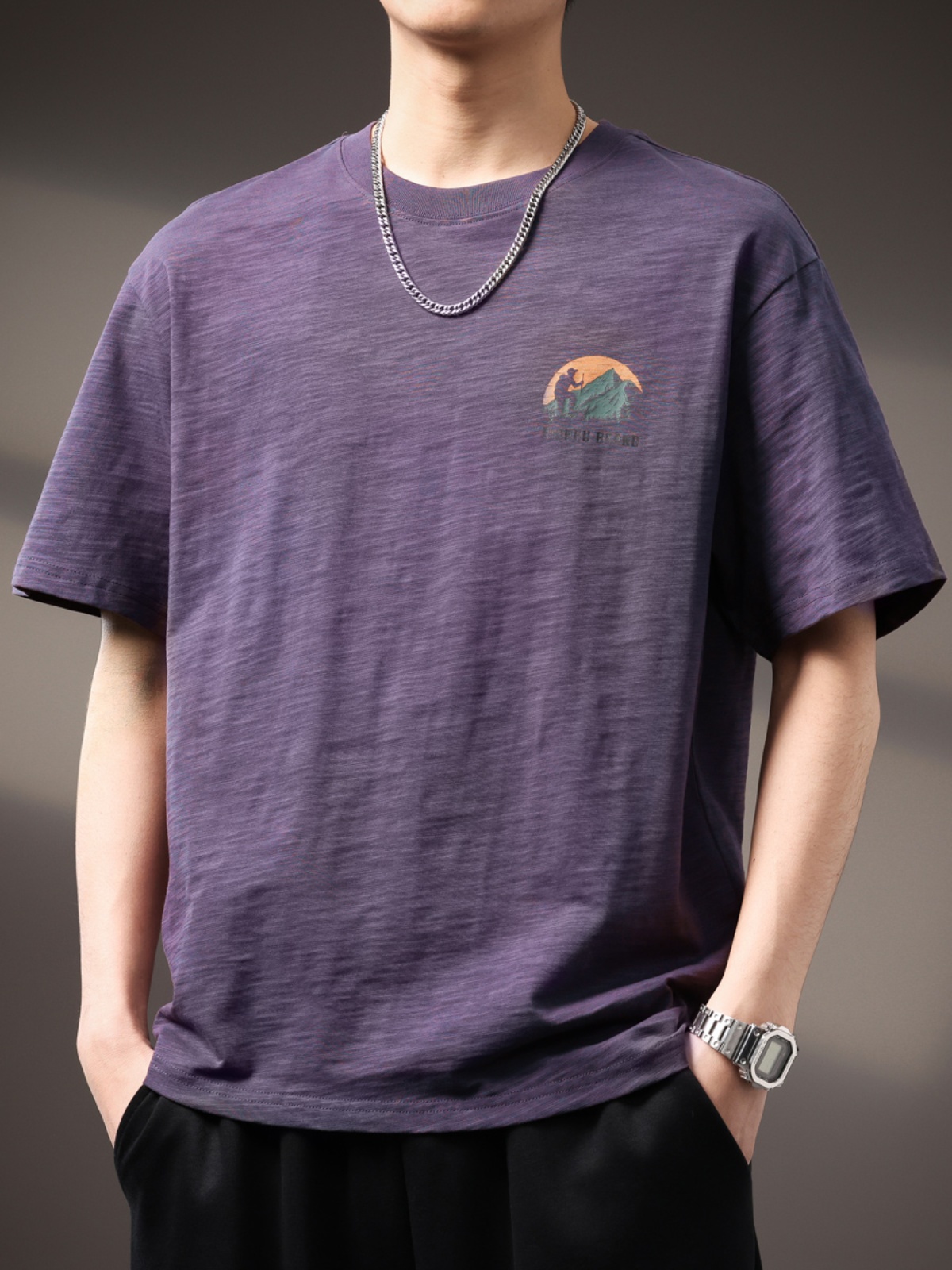
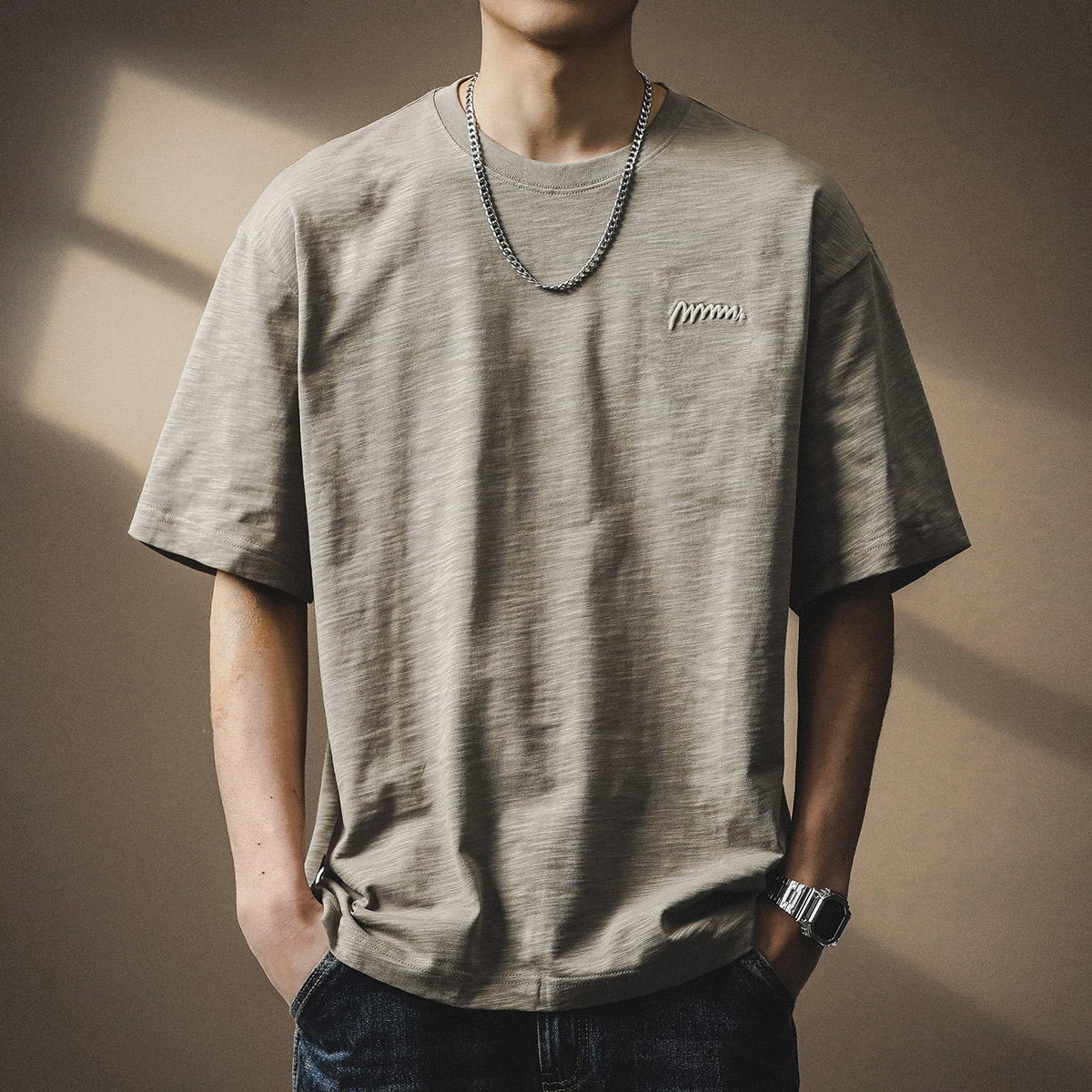
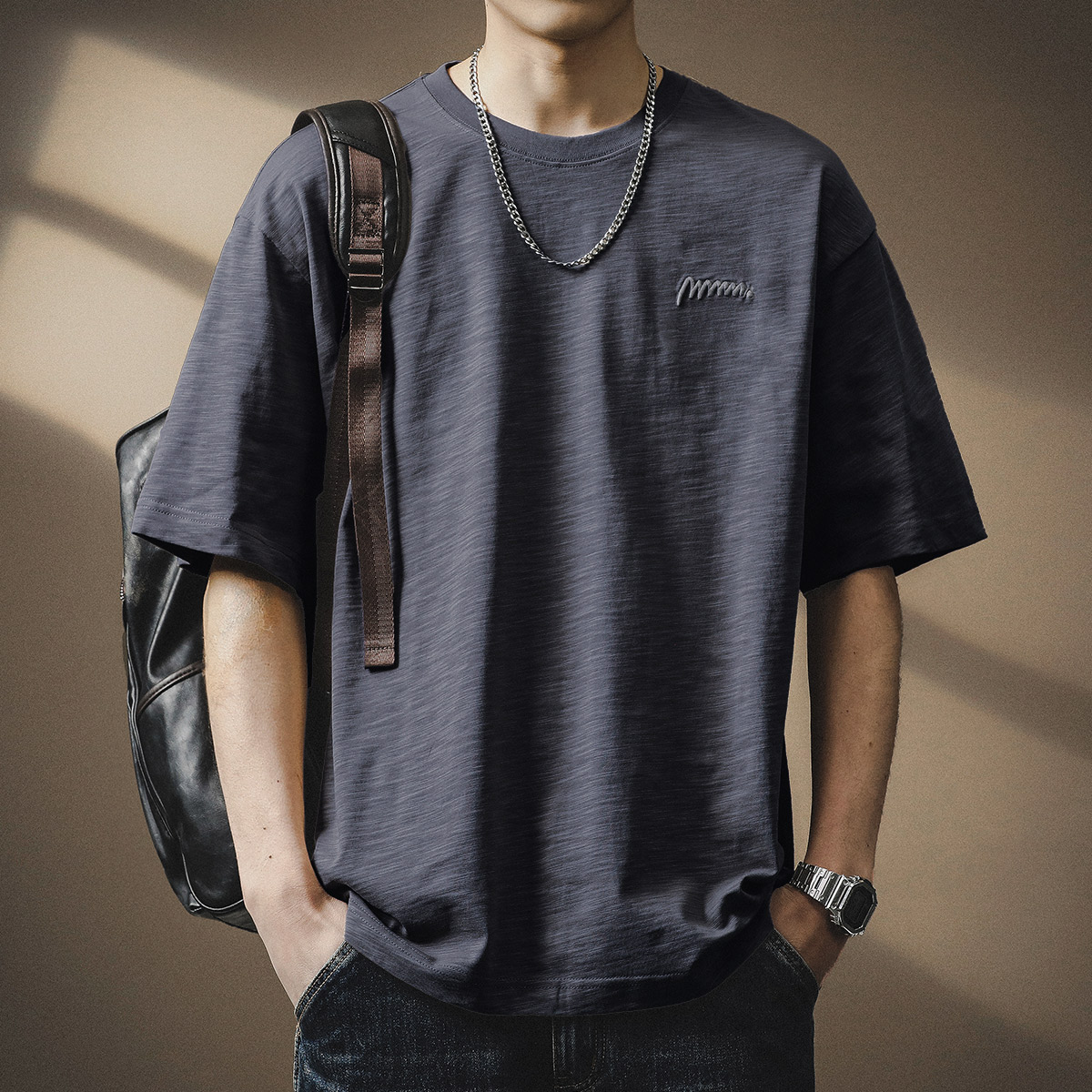
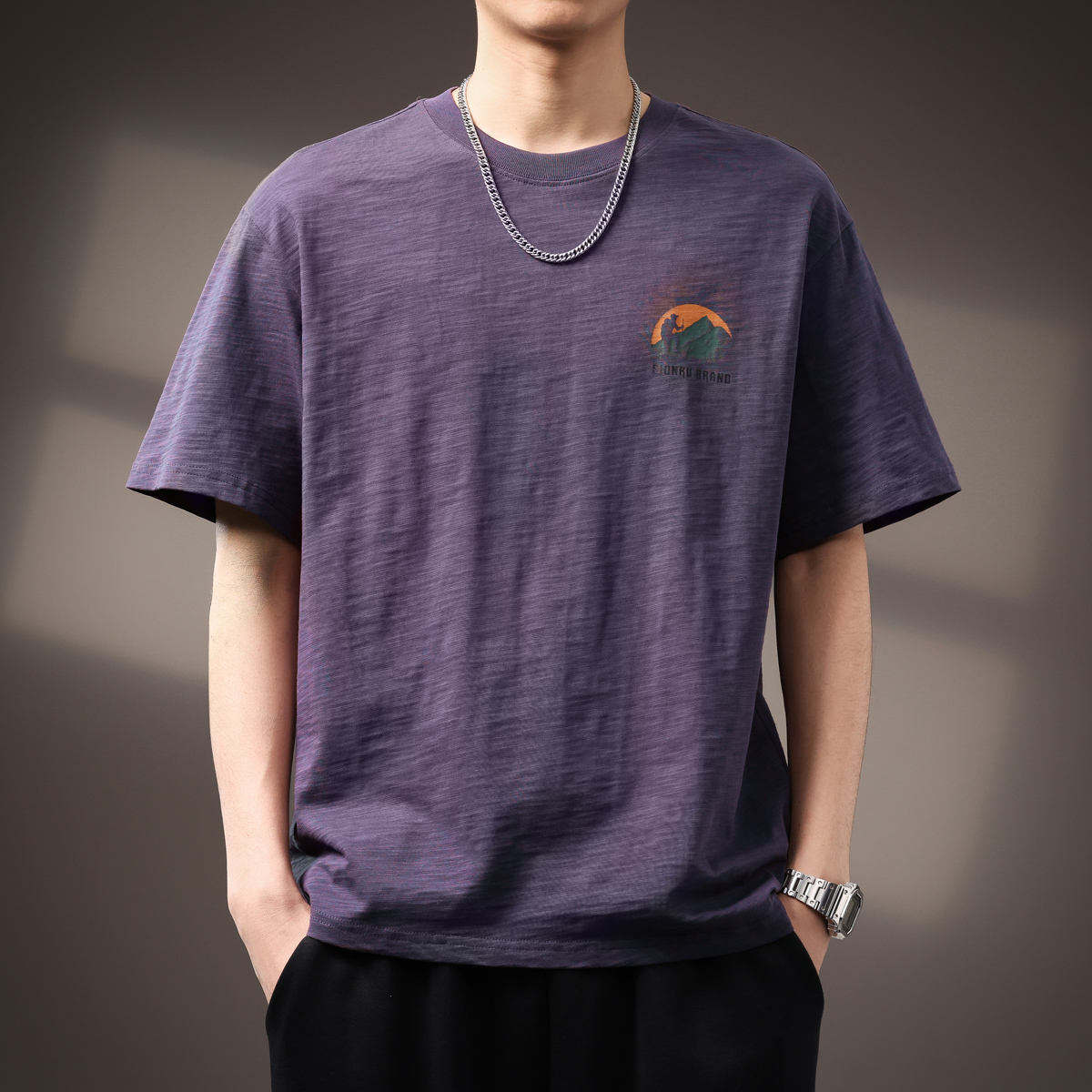
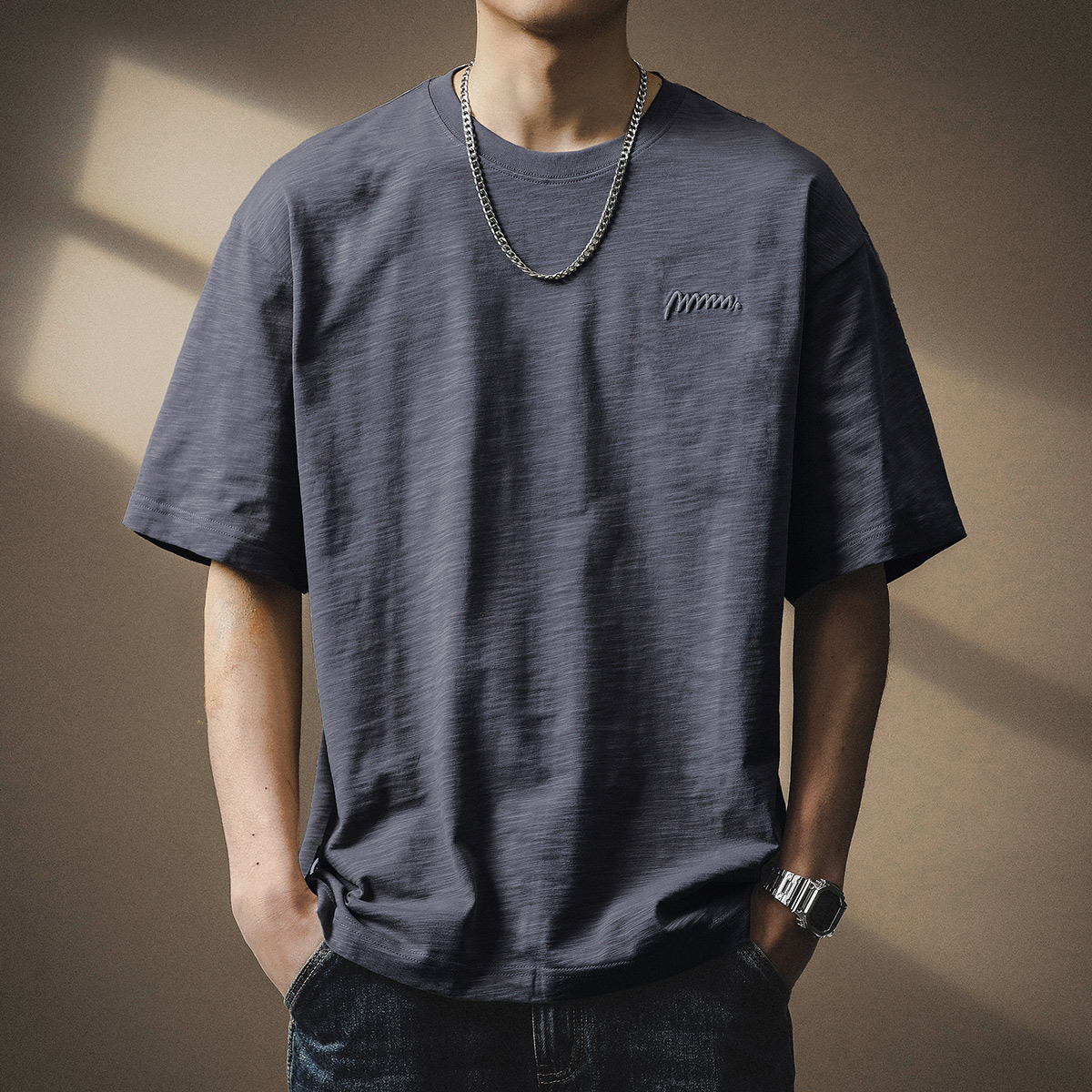
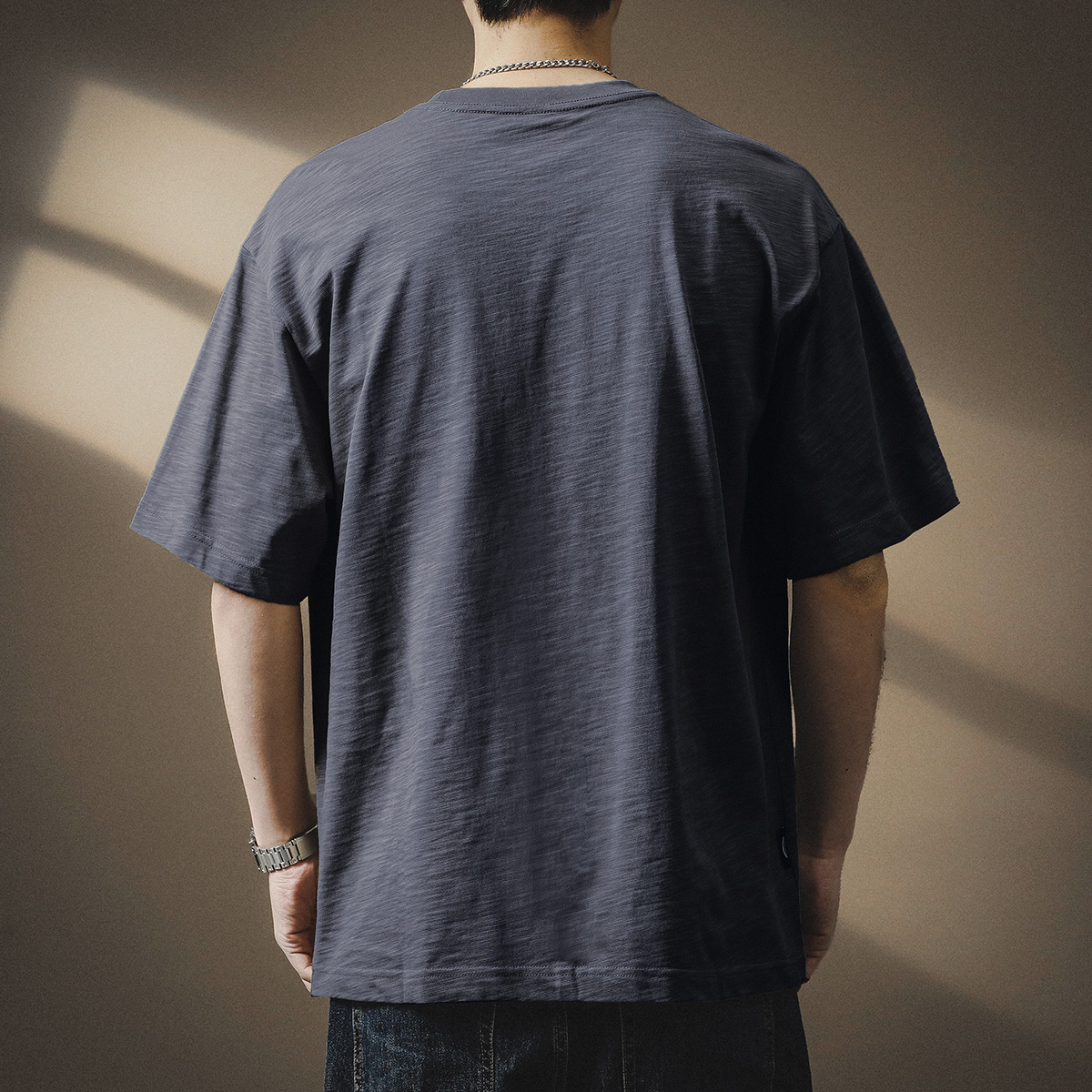
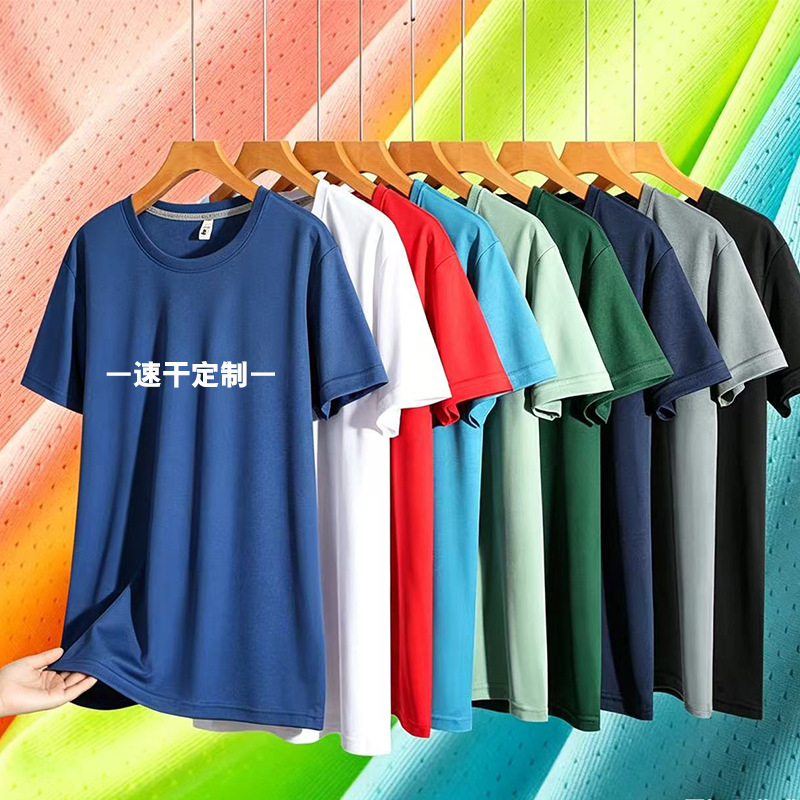
- T-shirt — casual, approachable, high volume. The default for events, campaigns, giveaways and staff in informal settings. It reads as a message more than as a uniform.
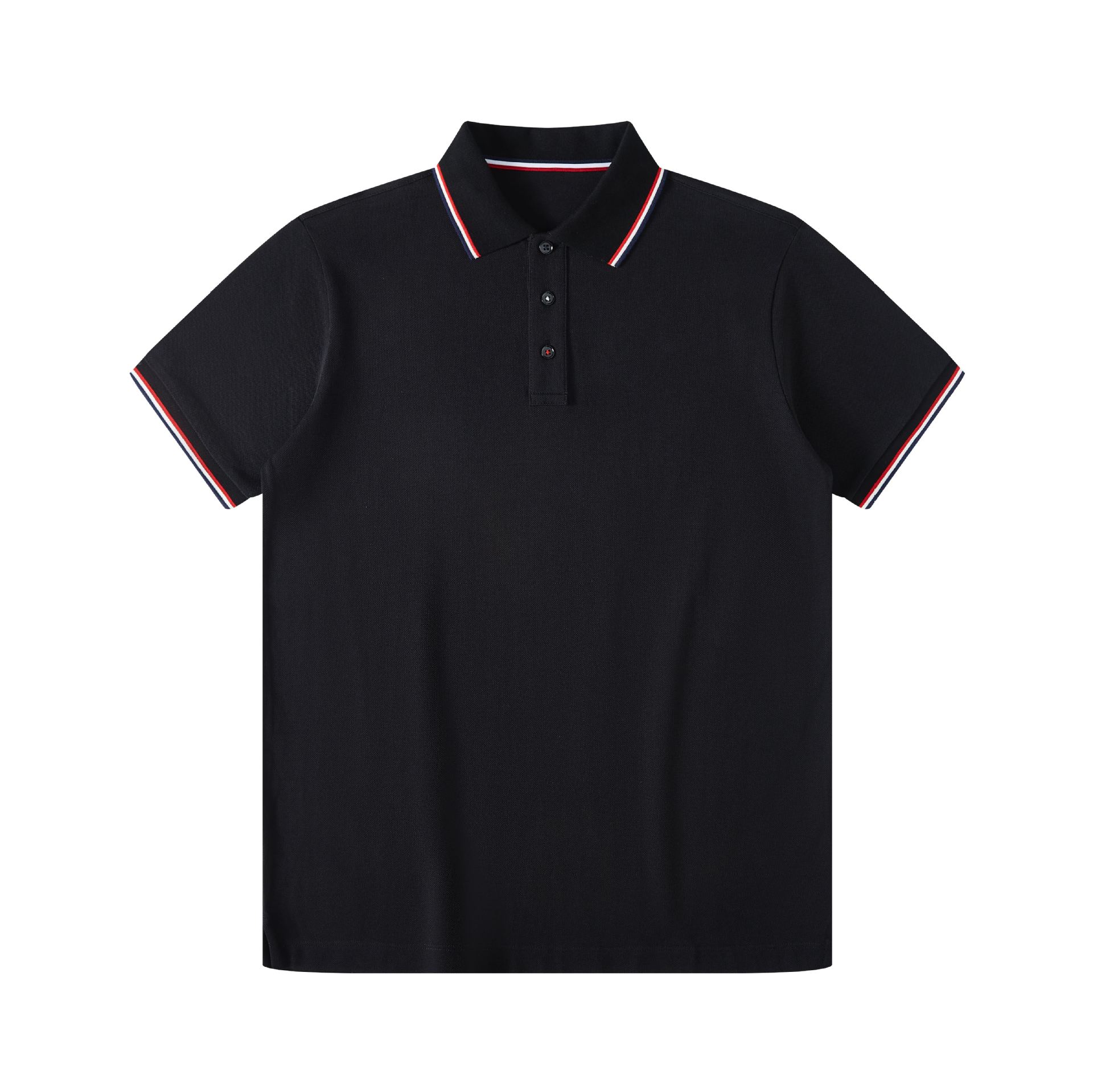
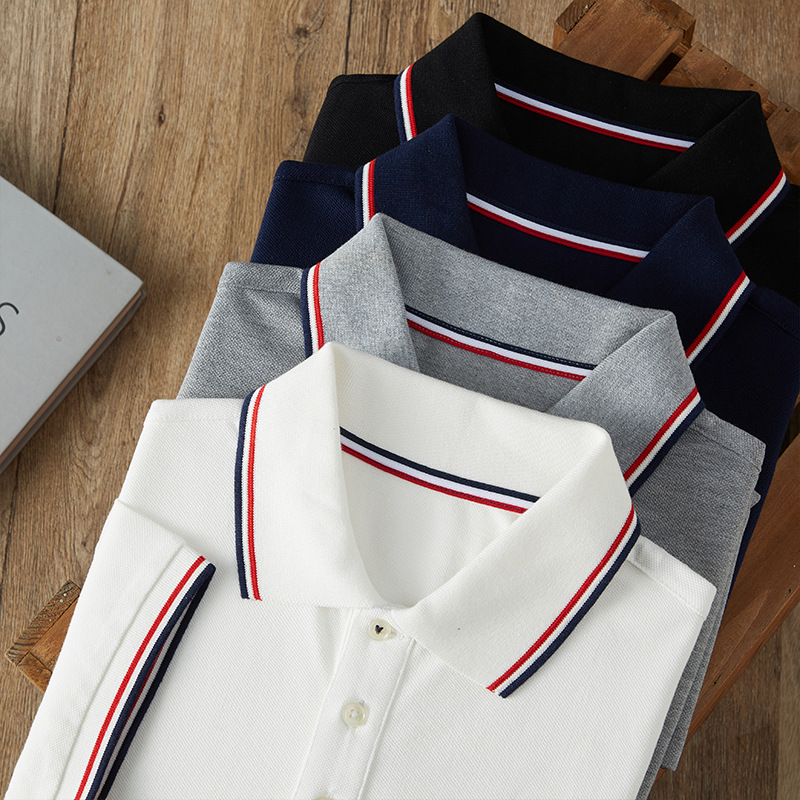
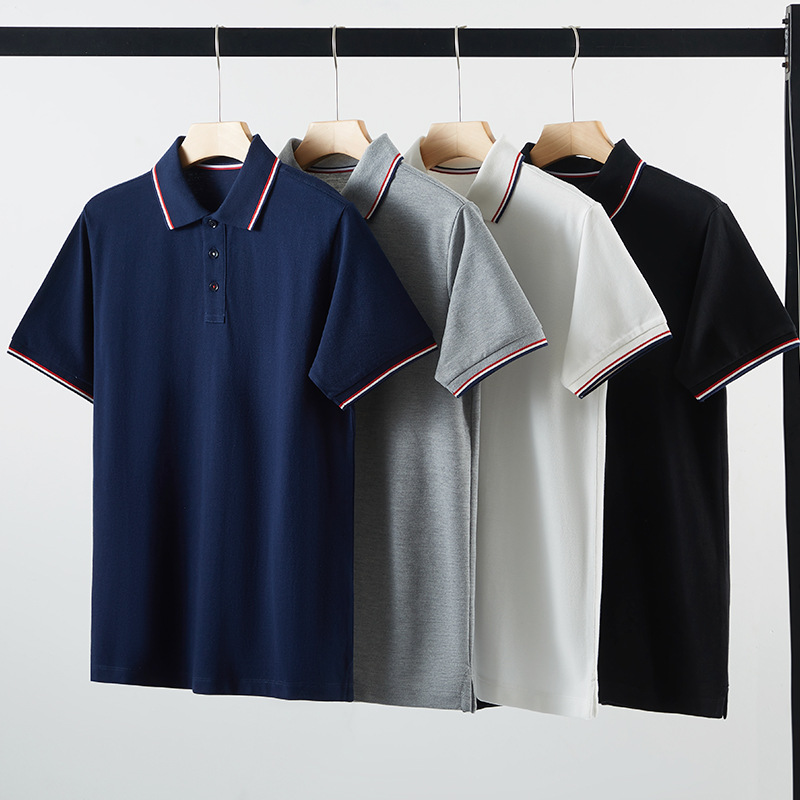
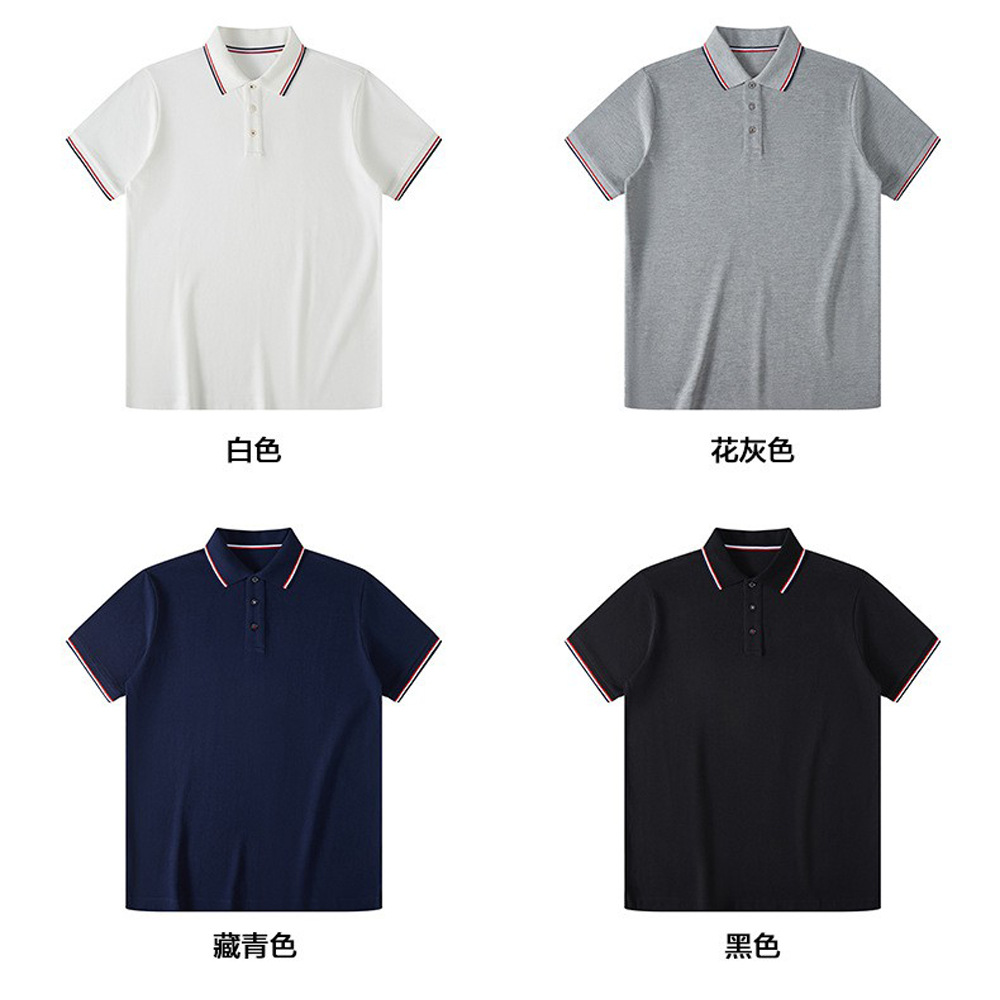
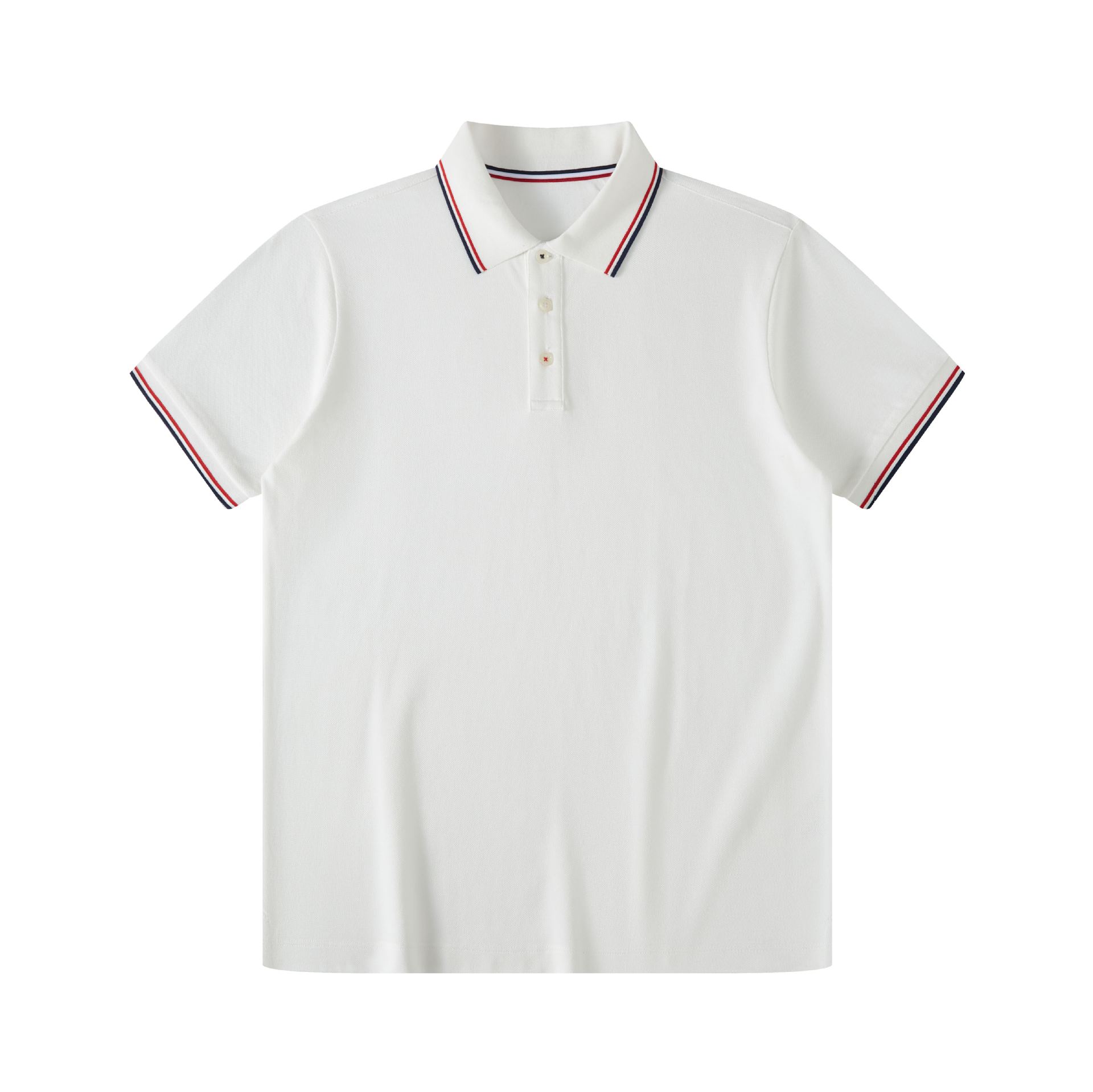
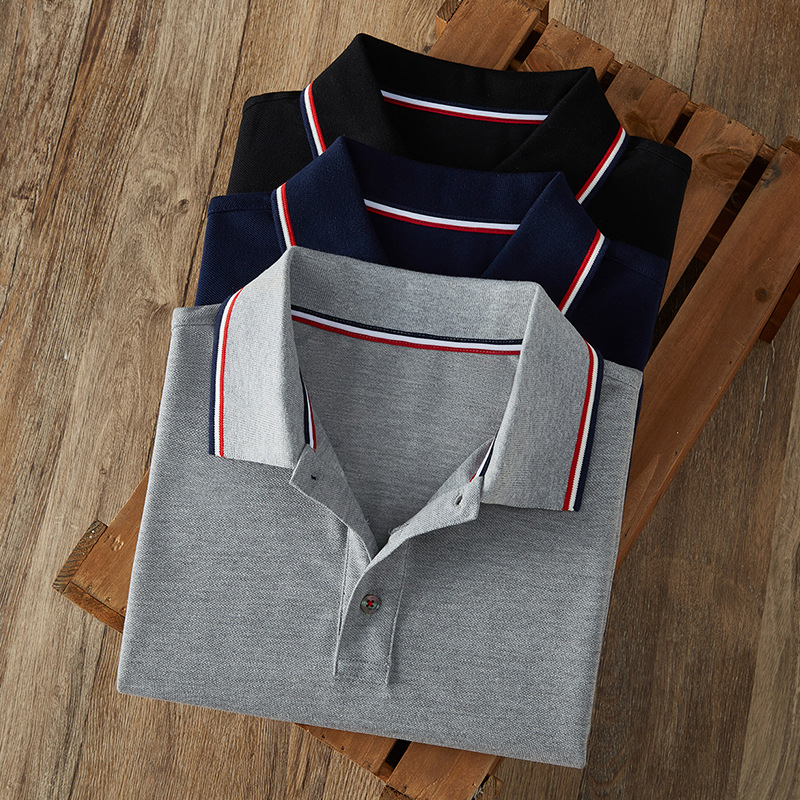
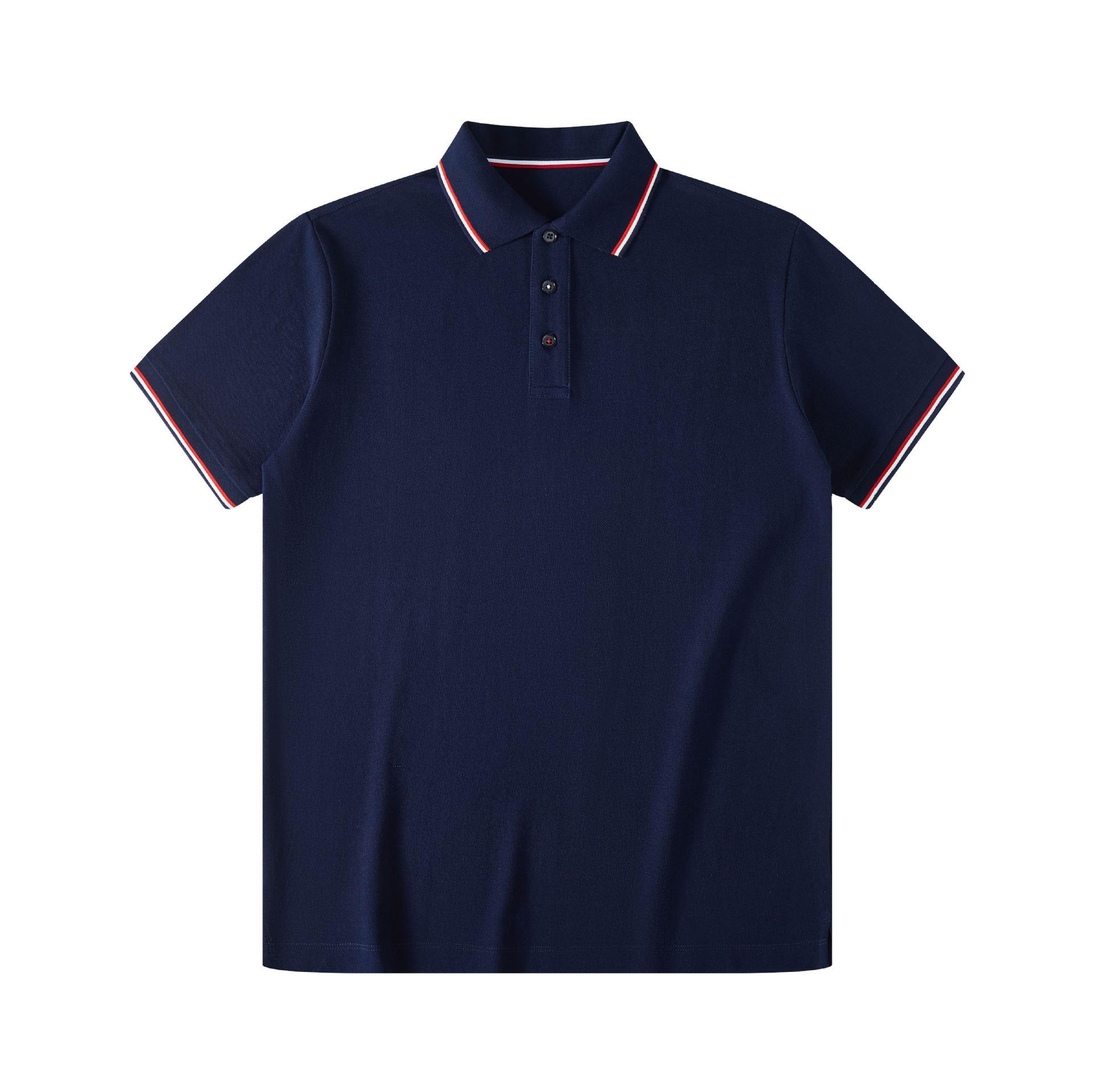
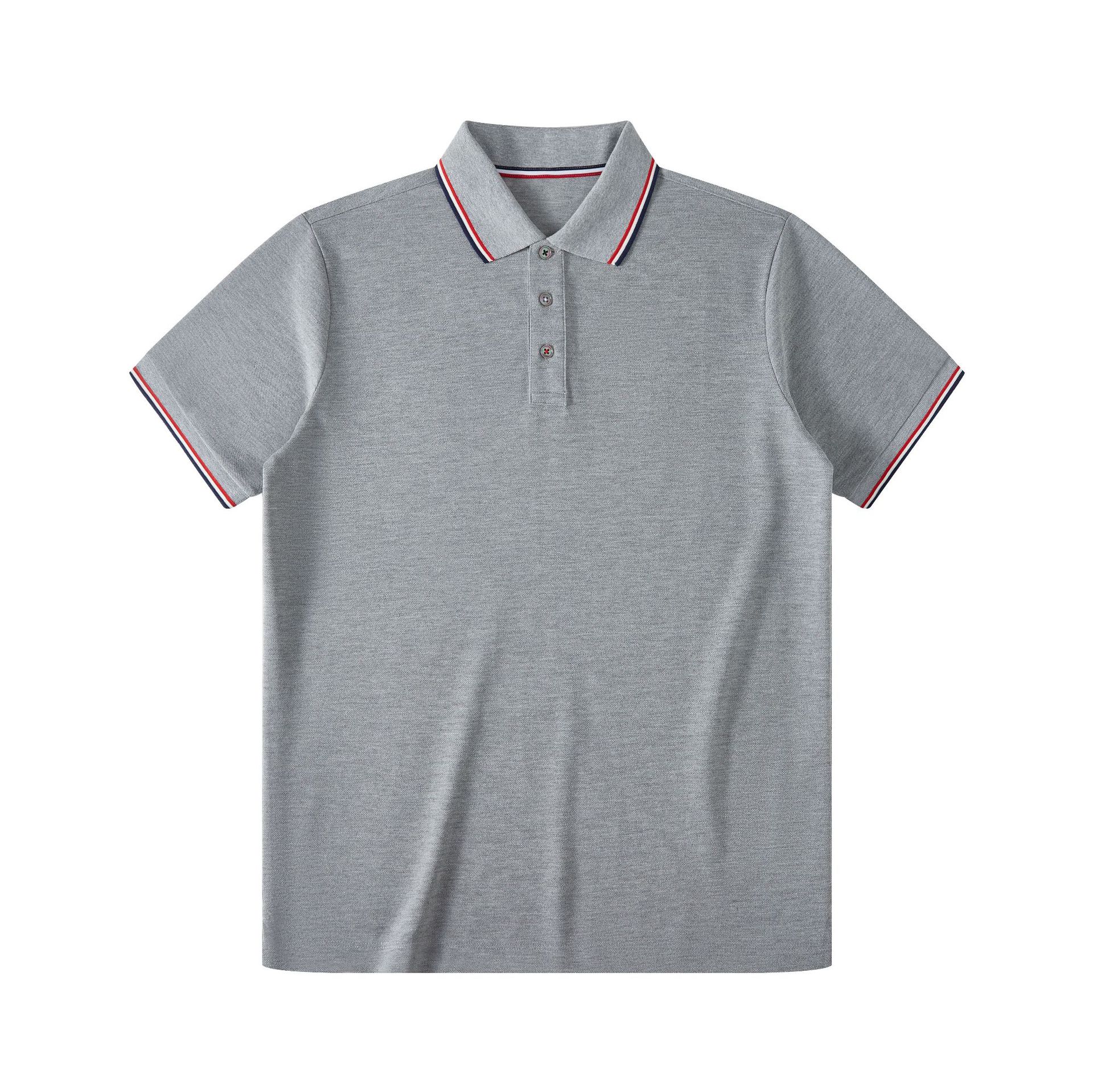
- Polo — organised, professional, presentable. The standard for corporate uniforms, field staff, retail teams and any situation where the wearer needs to look deliberate but not formal.
- Sweatshirt — comfortable, premium, personal. Chosen when the item is meant to be kept and worn repeatedly rather than distributed at scale. Strong for brand merchandise, team kit and premium gifting.
A useful test: ask whether the garment is a uniform, a message, or a keepsake. Uniform points to polo, message points to t-shirt, keepsake points to sweatshirt.
2. T-Shirts: Volume, Cost and Flexibility
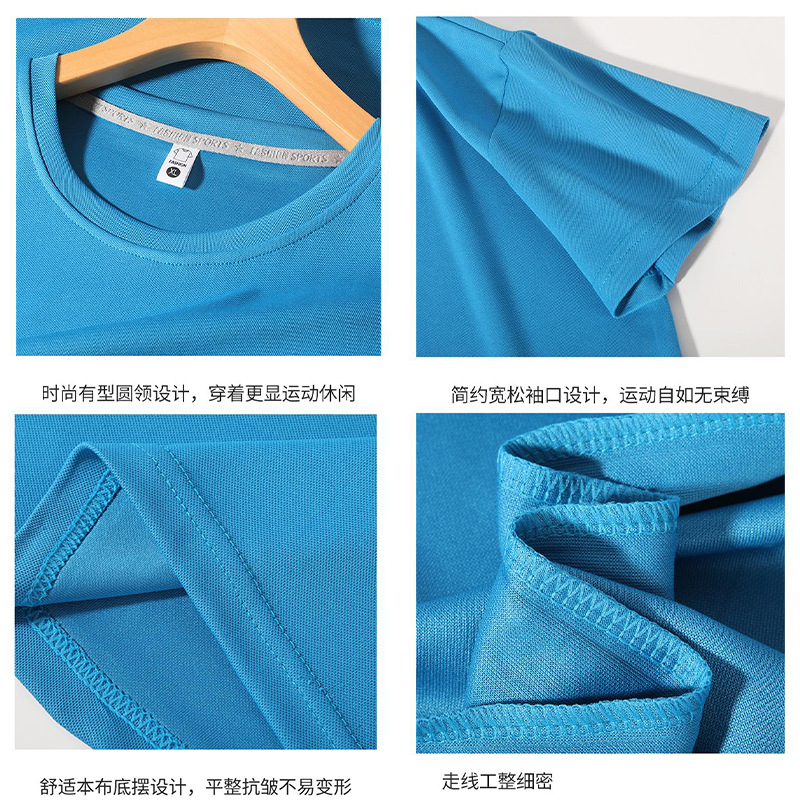
The t-shirt remains the workhorse of custom apparel, and for good reasons: lowest unit cost of the three, widest decoration flexibility, and the most forgiving fit across body types.
Choose a t-shirt when:
- You need large quantities at a controlled unit cost (events, campaigns, retail basics).
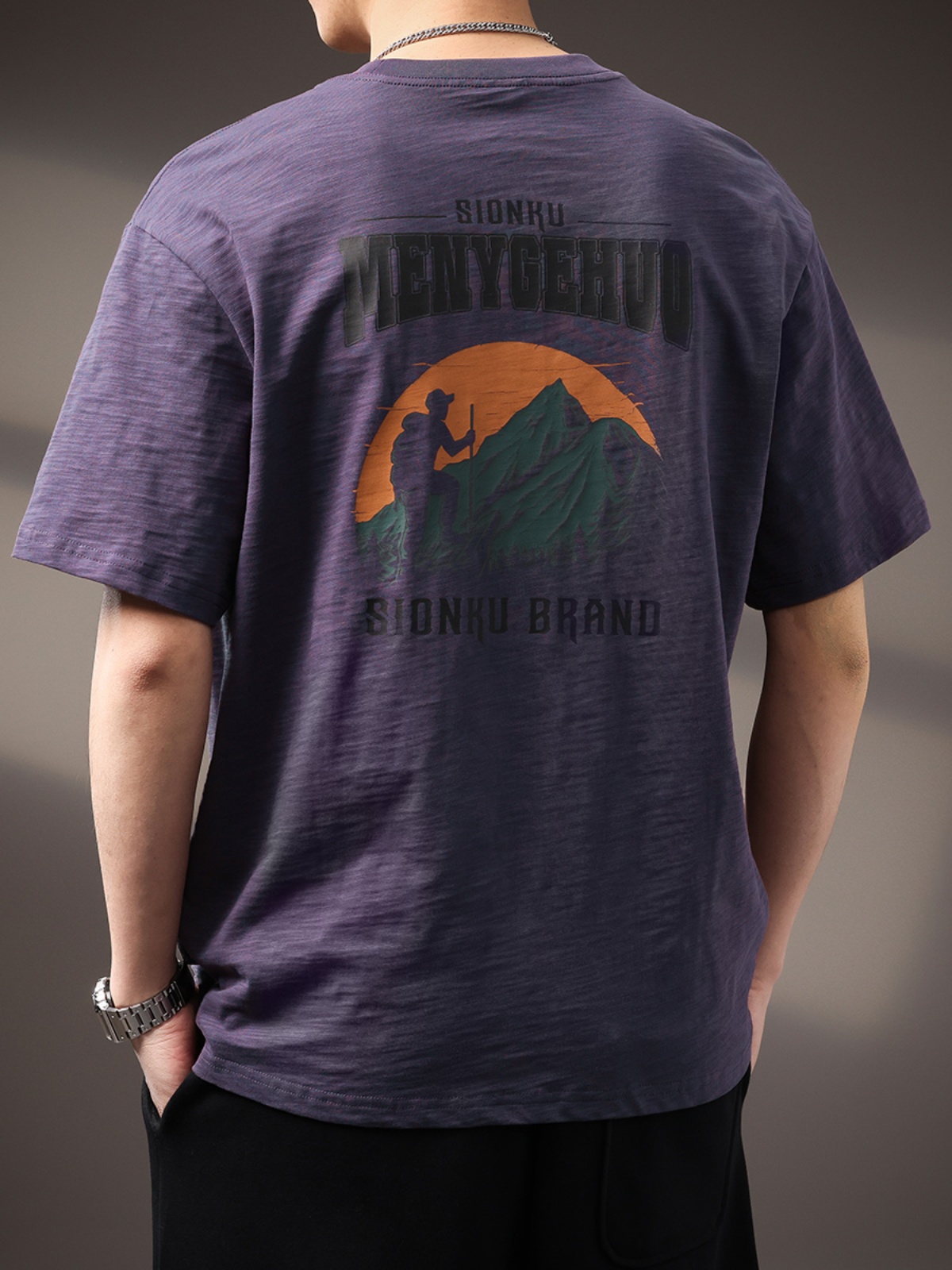
- The design is the point — large graphics, all-over prints or multi-colour artwork.
- The wearer base is broad and sizing must be forgiving.
- The item is likely to be replaced regularly rather than worn for years.
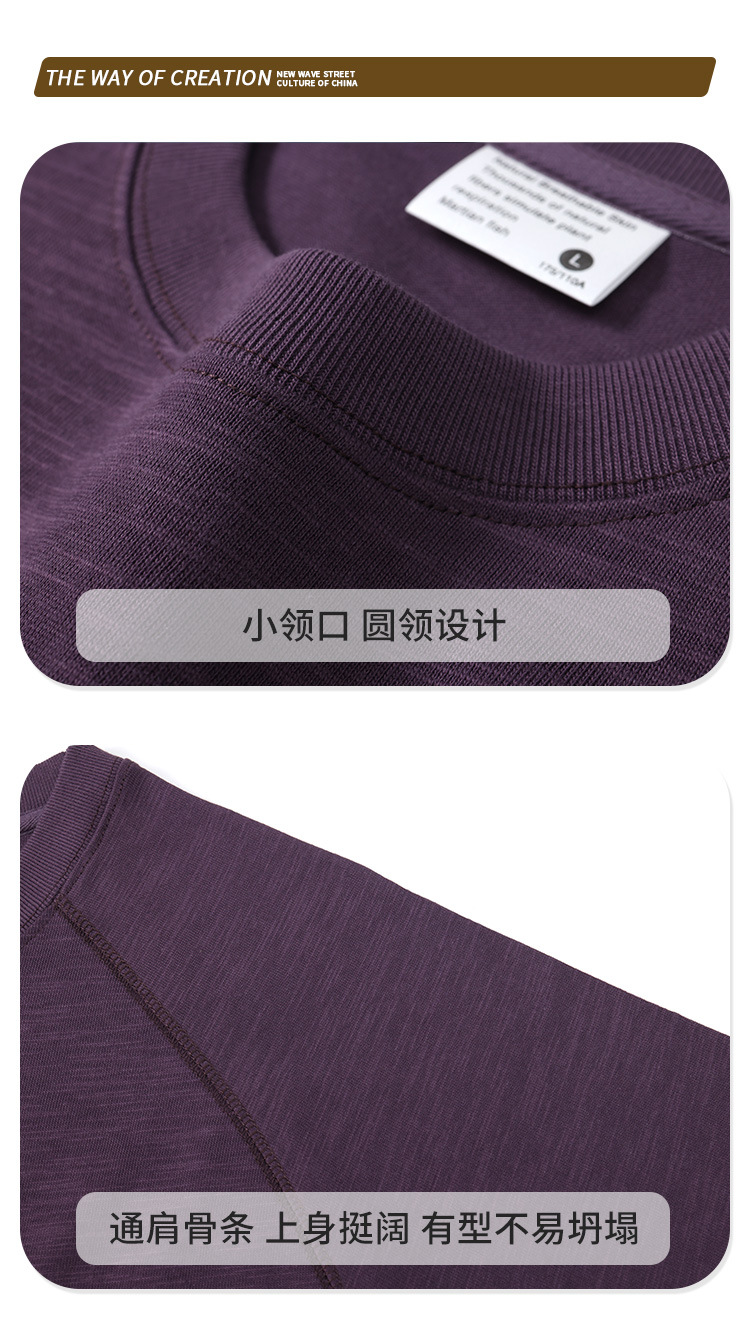
Common selection pitfalls: choosing too light a fabric so the shirt becomes semi-transparent in wear, and under-budgeting decoration on a low unit cost, which produces an item that feels cheap overall.
3. Polos: Uniforms and Customer-Facing Roles
The polo is the natural choice wherever staff meet customers. It sits in a useful middle ground: more presentable than a t-shirt, far more practical than a button-down for physical work.
Choose a polo when:
- Staff are customer-facing — retail, hospitality, service counters, delivery and field teams.
- You need one garment that works across a range of roles and body types.
- The branding is a small chest logo or chest-and-sleeve placement rather than a large graphic.
- Durability under frequent industrial washing matters more than novelty.
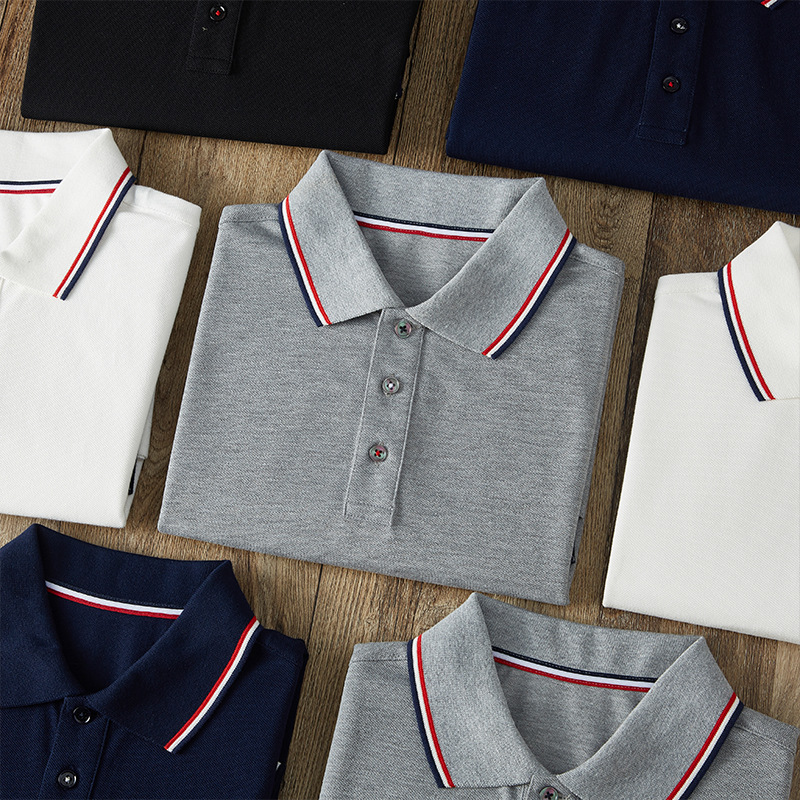
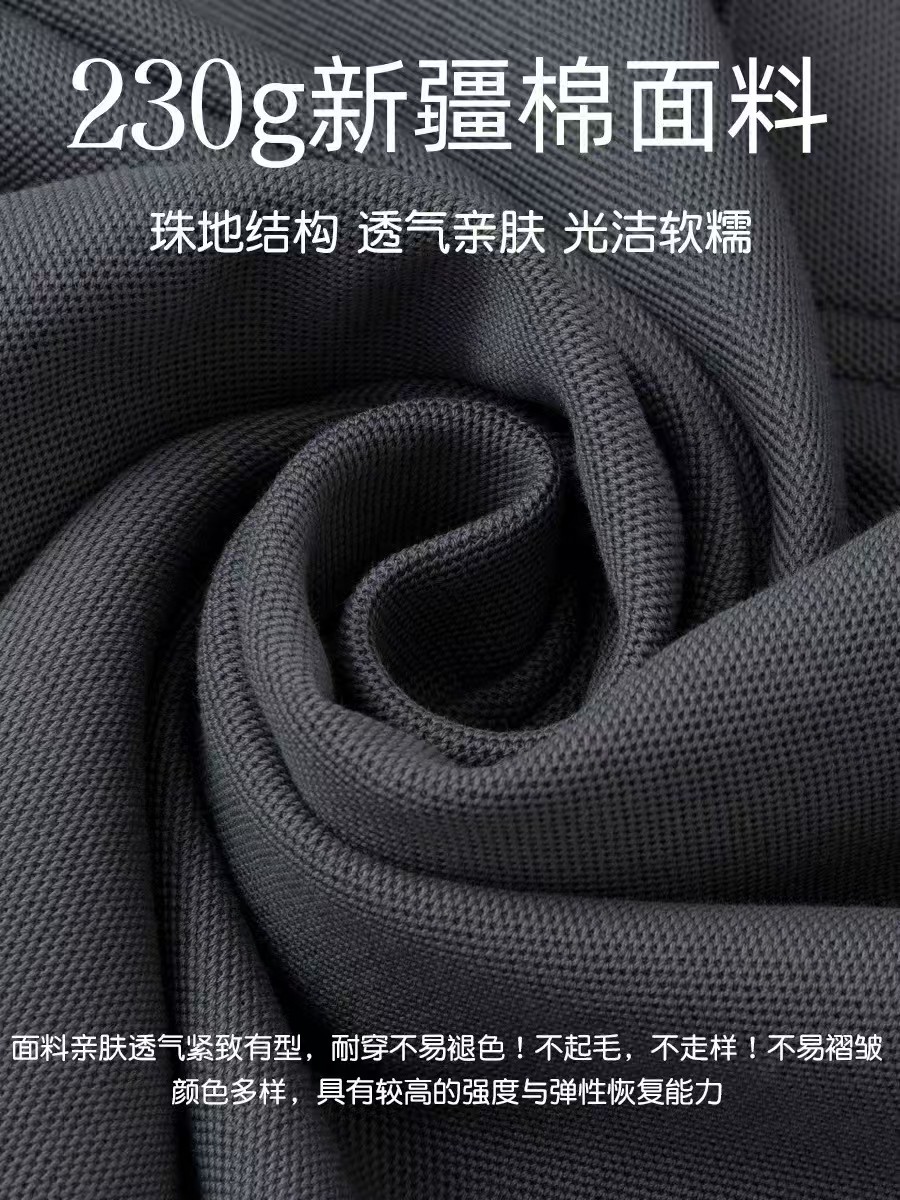
Two practical notes. First, piqué construction gives the collar and placket the structure that keeps a polo looking sharp after repeated wear; this is where cheaper polos visibly fail. Second, if the uniform will be worn in hot conditions or by staff doing physical work, consider a lighter weight rather than defaulting to the heaviest option — comfort drives whether the uniform actually gets worn.
4. Sweatshirts: Retention and Perceived Value
Sweatshirts cost more per unit and are chosen for a different reason: people keep them. That makes them the right format when the goal is long-term brand presence rather than immediate reach.
Choose a sweatshirt when:
- The item is merchandise meant to be bought or kept and worn repeatedly.
- You need something for cooler seasons or a layering piece.
- Perceived quality matters — a heavy fleece-lined sweatshirt reads as a considered product in a way a thin t-shirt cannot.
- The team or community identity benefits from a garment that feels like a reward rather than a handout.
Because sweatshirts involve more fabric and more construction, the minimum order quantity and lead time are typically higher than for t-shirts. Factor that in when planning a mixed range.
5. Matching Garment to Occasion: A Quick Reference
- Promotional giveaway / event — t-shirt, lighter weight, large print, cost-led.
- Retail or hospitality uniform — polo, mid-heavyweight piqué, small embroidered logo, durability-led.
- Corporate gifting — sweatshirt or premium heavyweight tee, quality-led.
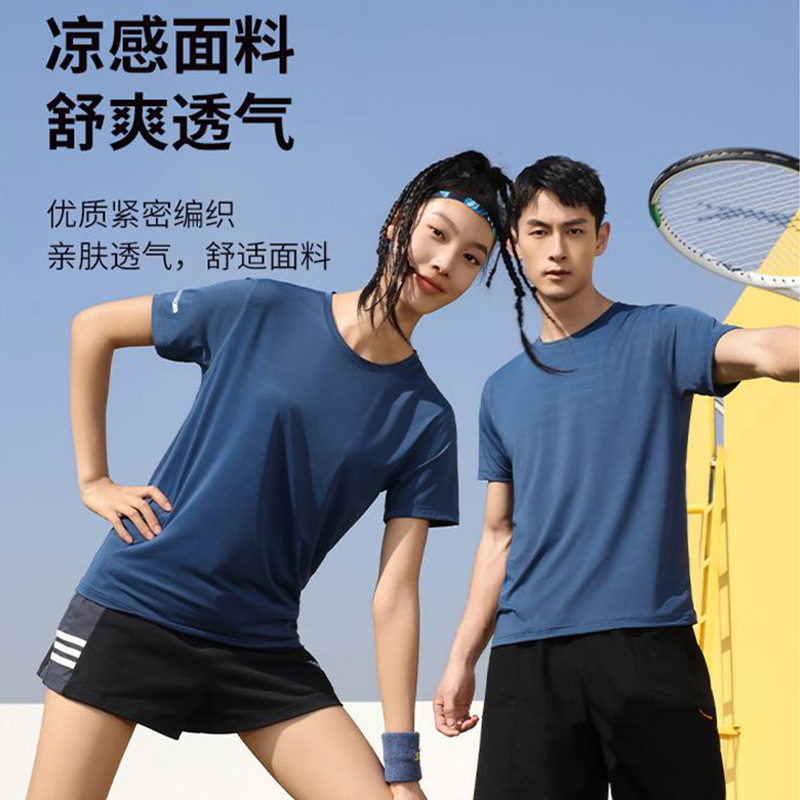
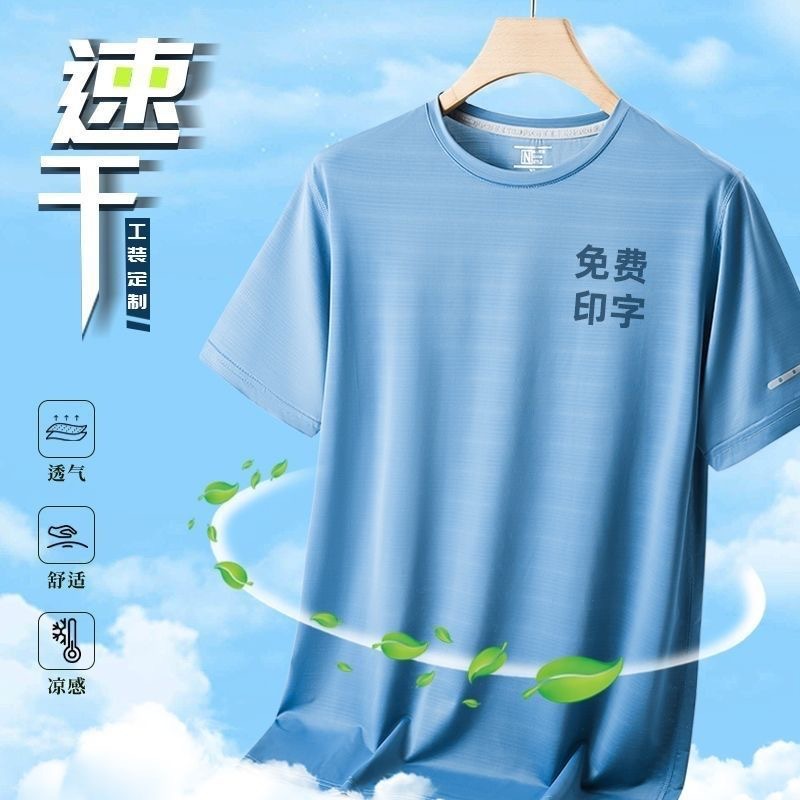
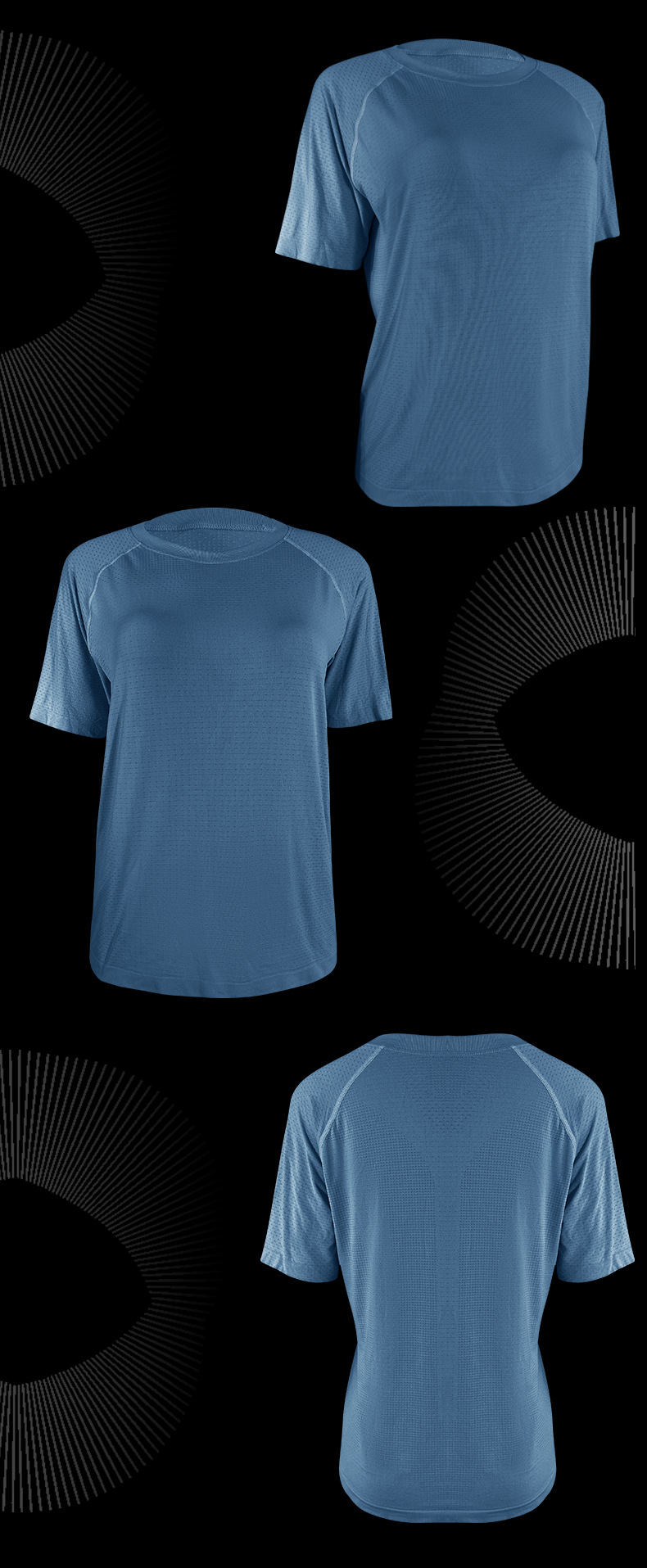
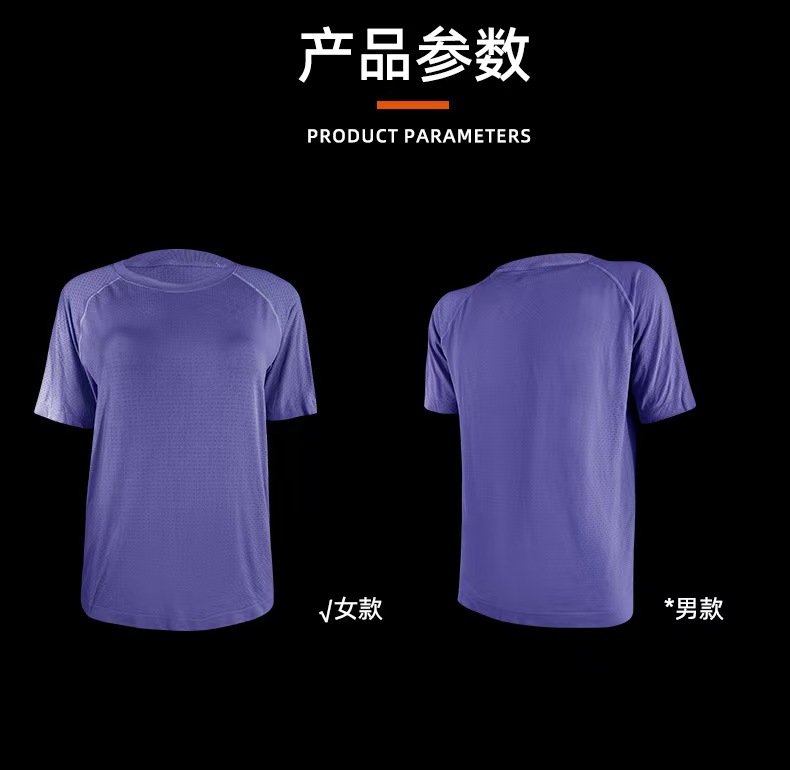
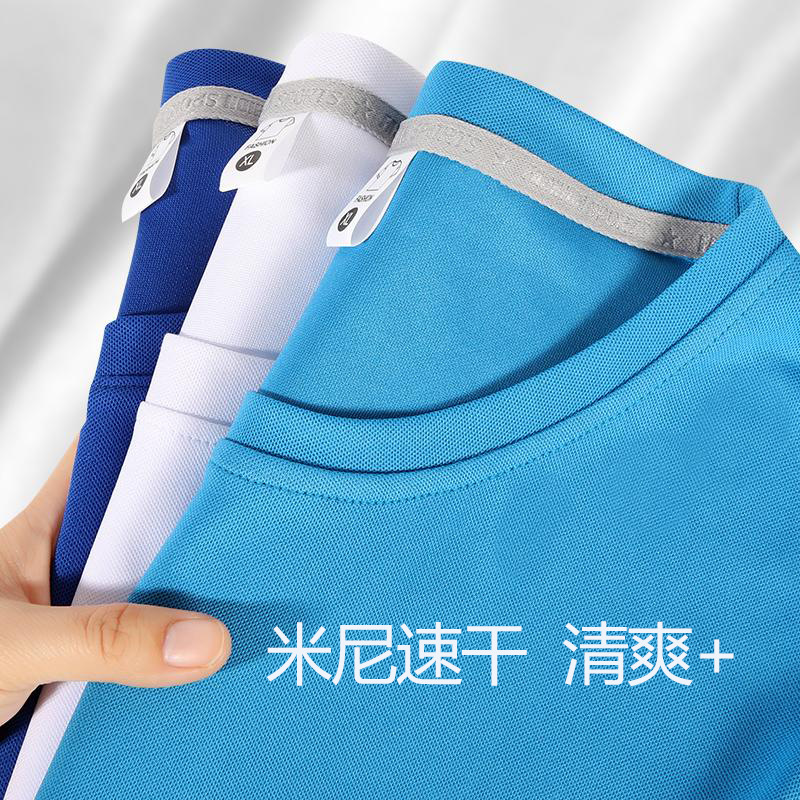
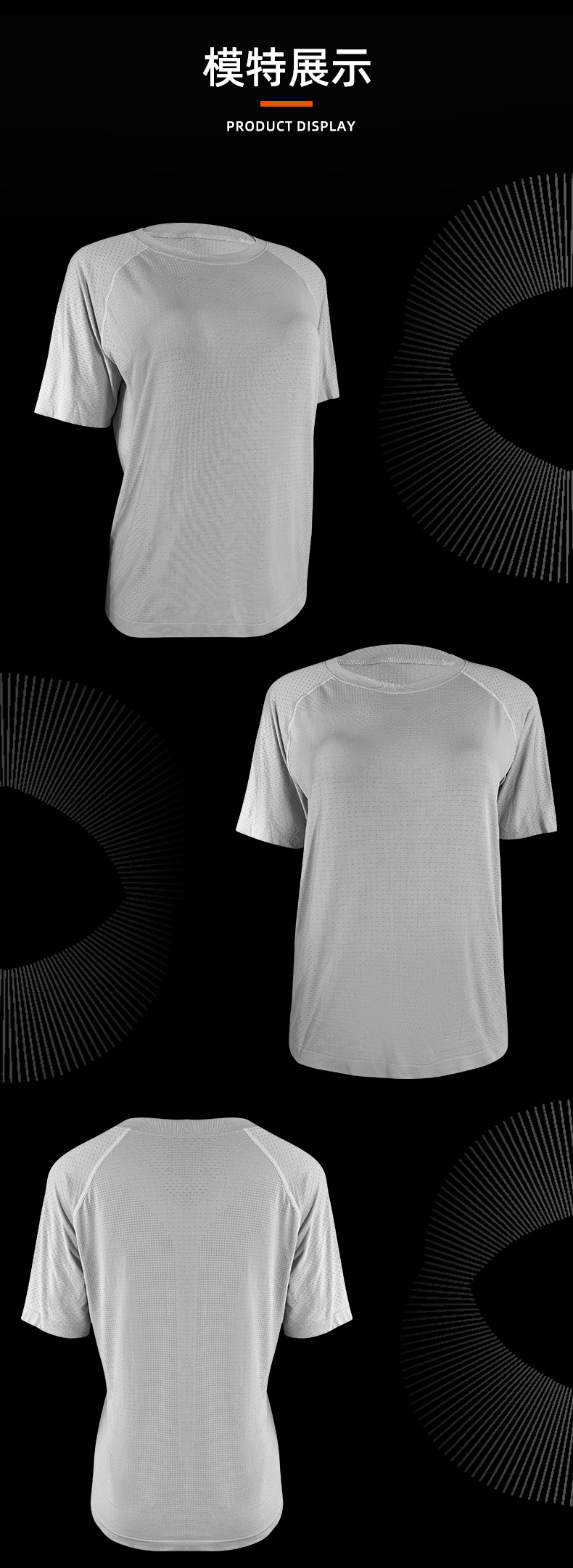
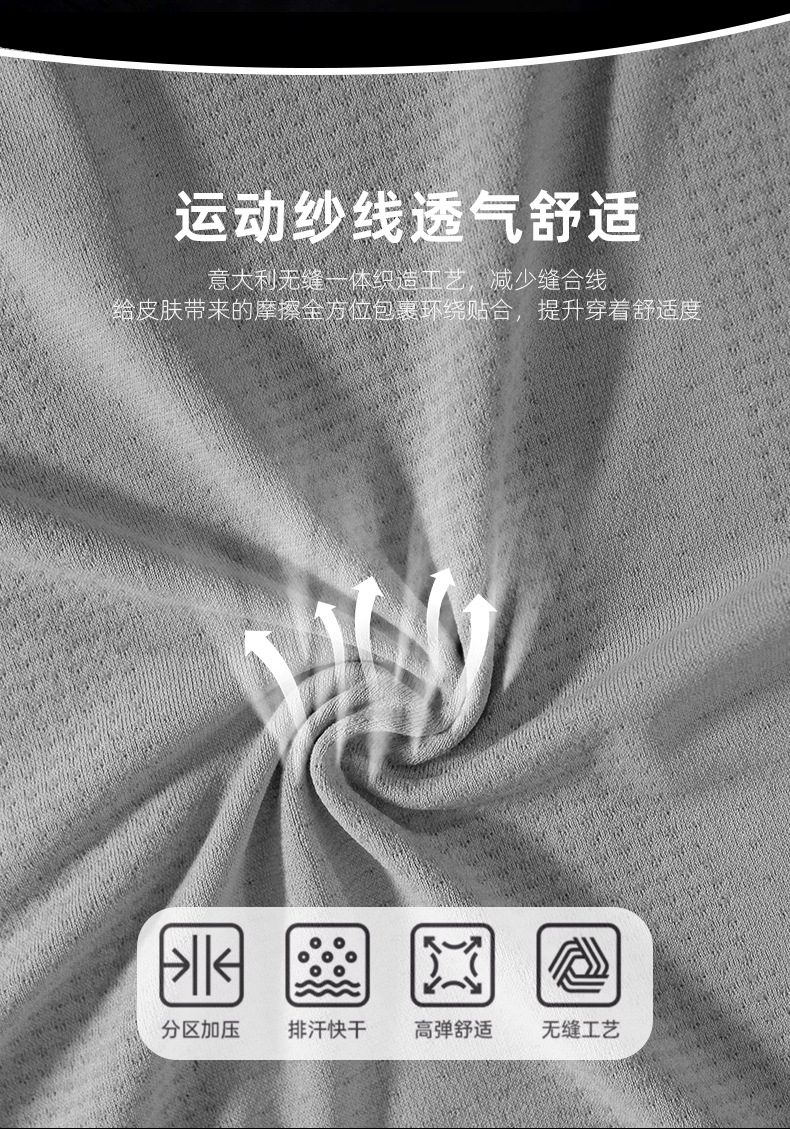
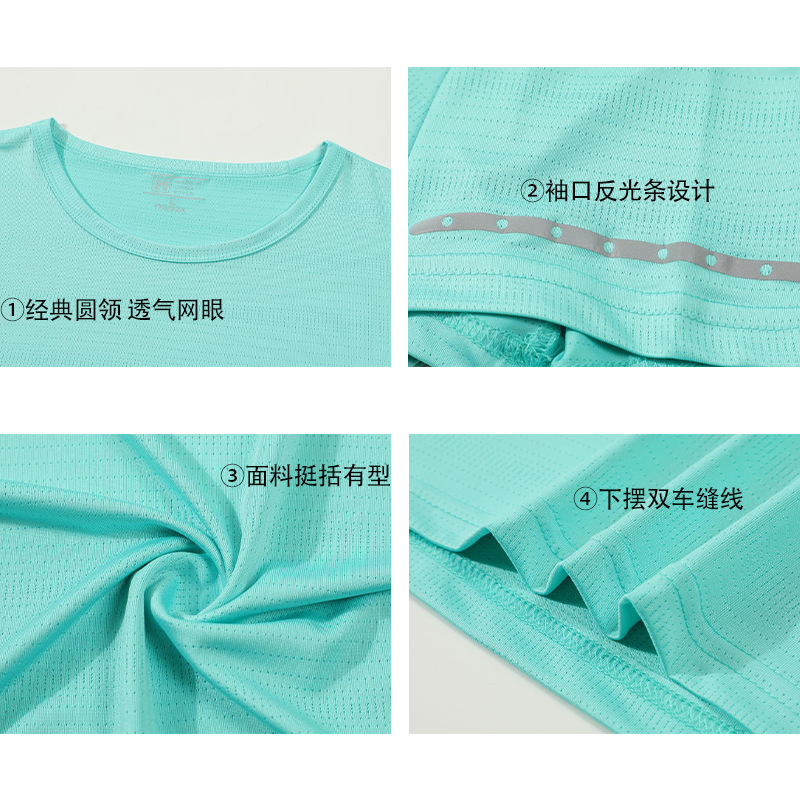
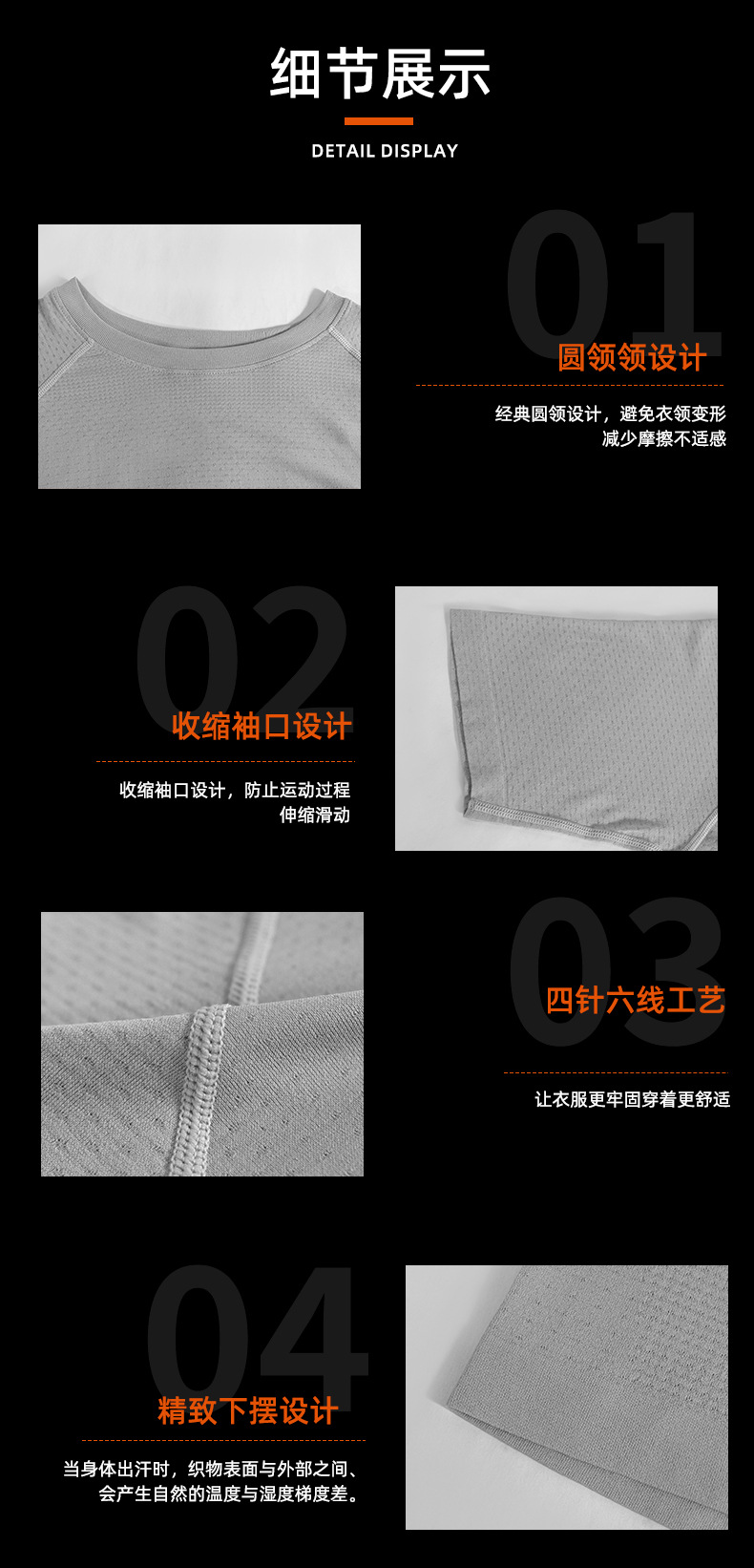
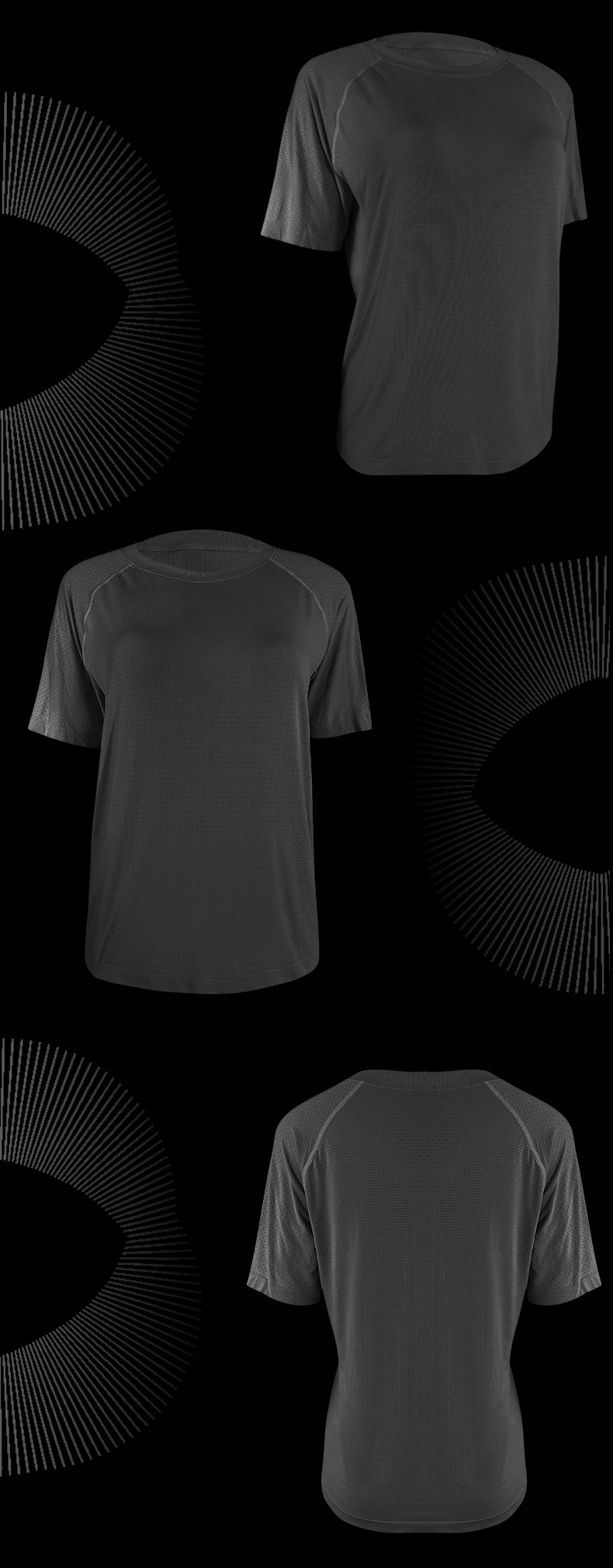
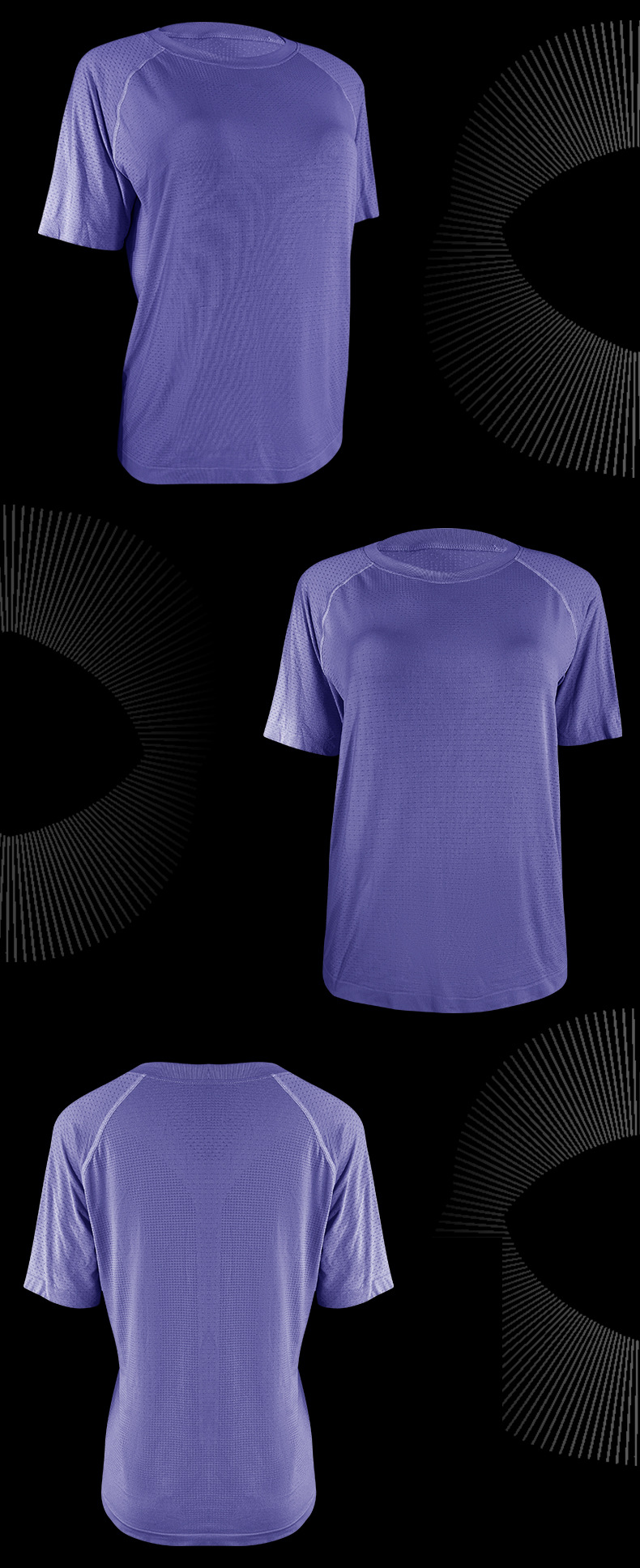
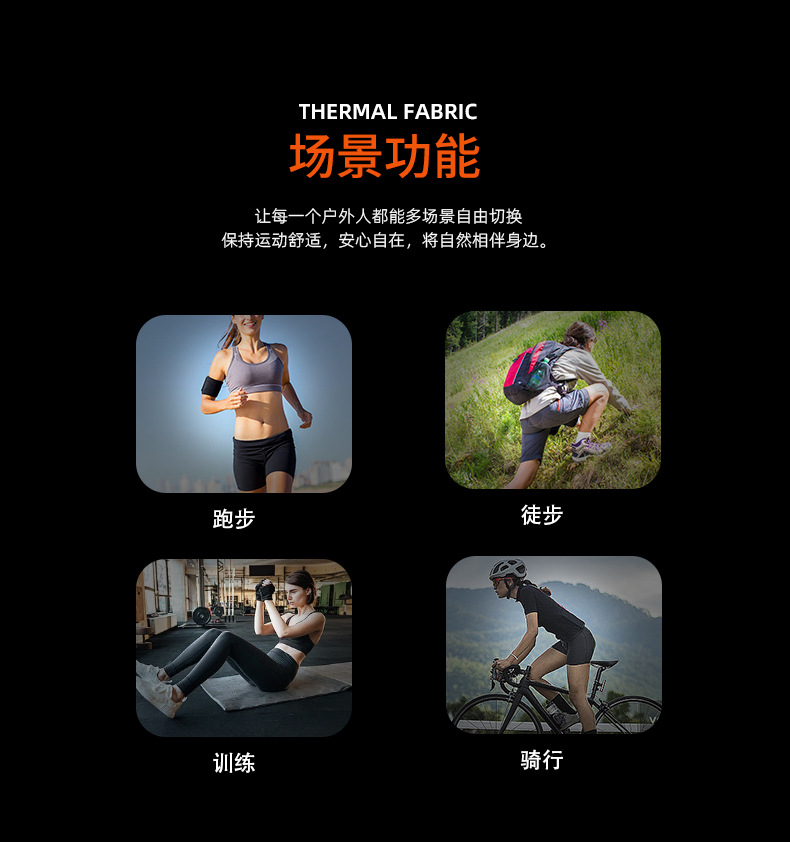
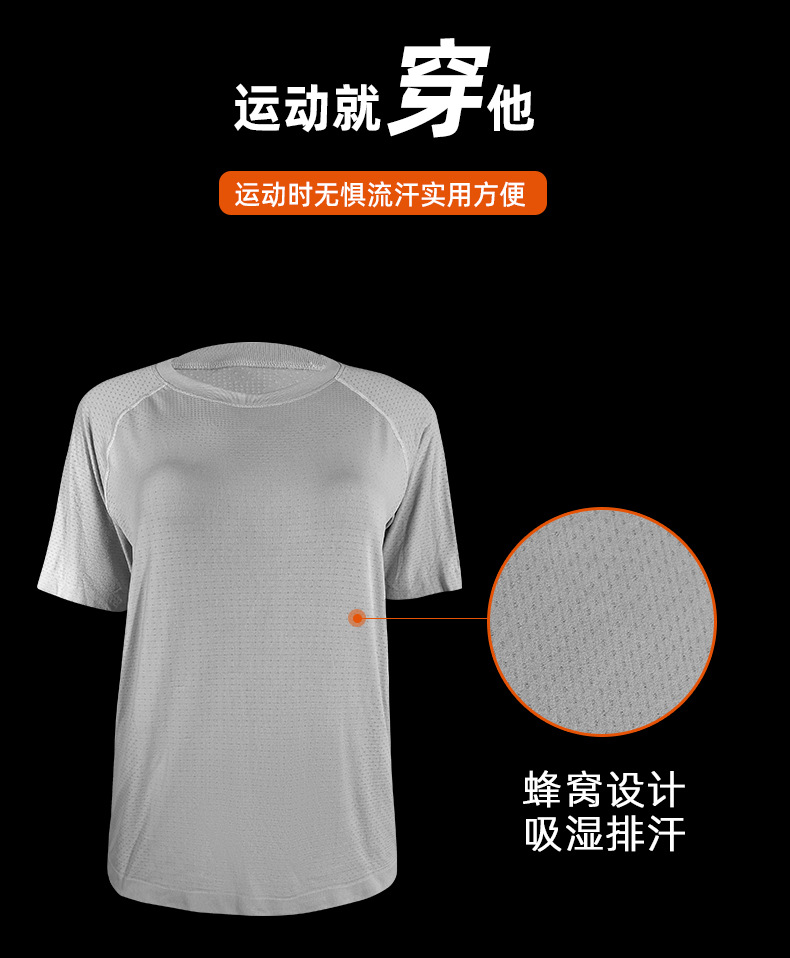
- Sports and active use — technical t-shirt, moisture-management fabric, comfort-led.
- Brand merchandise for sale — sweatshirt and heavyweight tee mix, retail-standard fabric and finish.
- Staff kit across seasons — layered range: polo for summer, sweatshirt for winter, same branding system.
6. Building a Balanced Range Instead of One Big Order
A common planning error is committing the whole budget to a single style. A more resilient approach is a small layered range: a lighter item for volume and warm weather, a presented item (polo) for staff and customer-facing use, and a heavier item (sweatshirt or heavyweight tee) for retention and premium positioning.
This usually costs less overall than one large run of the wrong style, because each garment is doing the job it is actually suited to. It also spreads the decoration setup cost across items that can share a logo treatment.
7. Validating the Choice
Before bulk production, evaluate samples of each candidate garment the way the end user will experience them:
- Wear it for a shift or a day, not just try it on. Comfort problems surface with time, not in the fitting room.
- Wash it and check collar shape, shrinkage and print or embroidery integrity.
- Check the decoration in daylight and from a distance — logo placement that works up close can look lost across a room.
- Confirm the size range against your actual wearer population rather than a standard size curve.
Baihui Garment manufactures custom t-shirts, polos and sweatshirts across these categories and can supply samples of each format, so the choice is made on hand-feel and real use rather than on a catalogue description.
Conclusion
Decide the garment type before the fabric. T-shirts for volume and messaging, polos for uniforms and customer-facing roles, sweatshirts for retention and perceived value. Then build a small layered range rather than betting everything on one style, and validate with a real sample worn and washed before you commit to bulk.