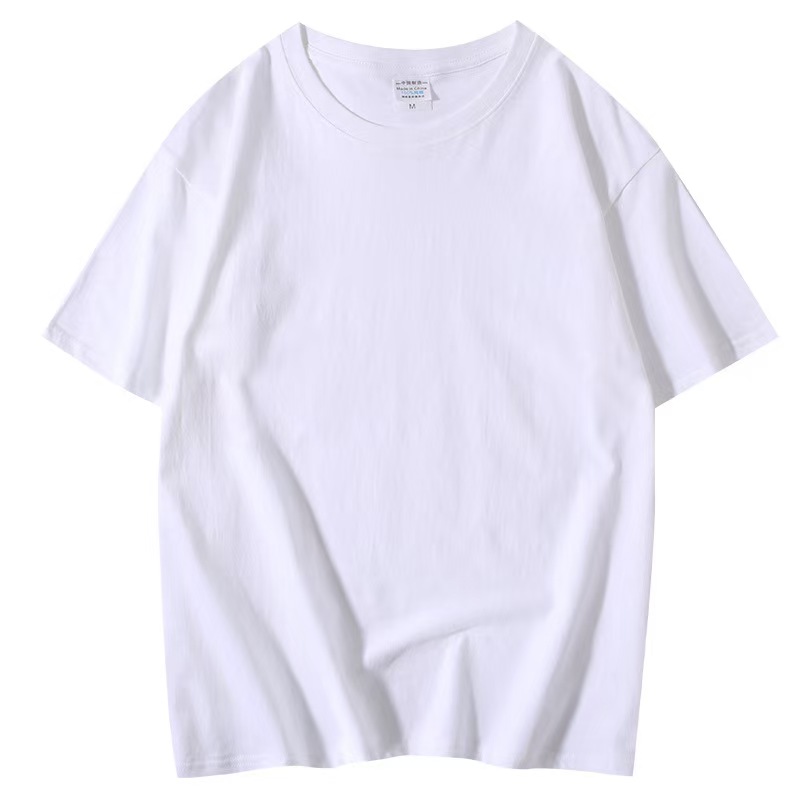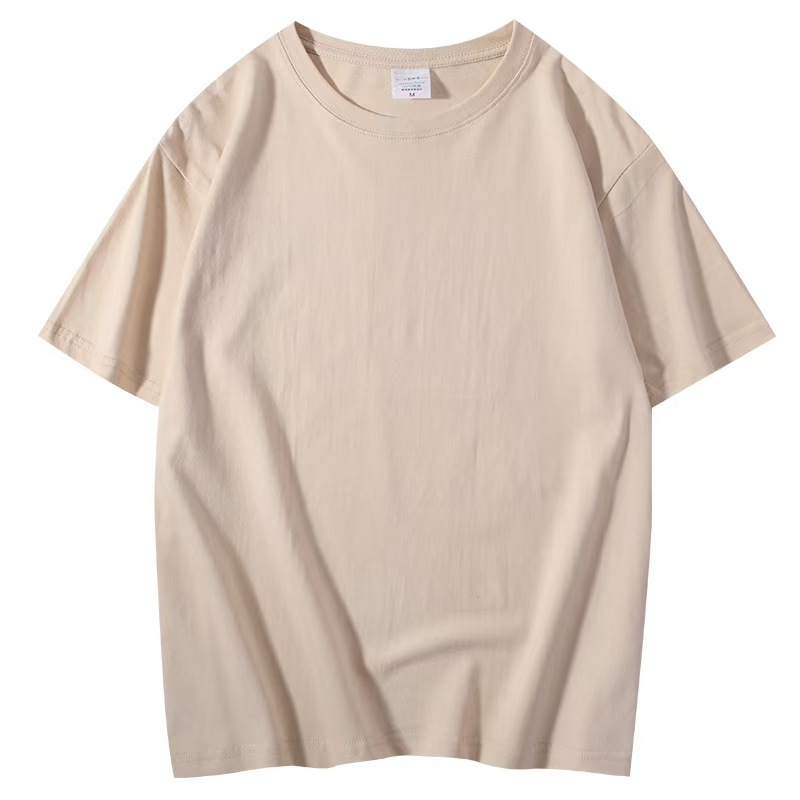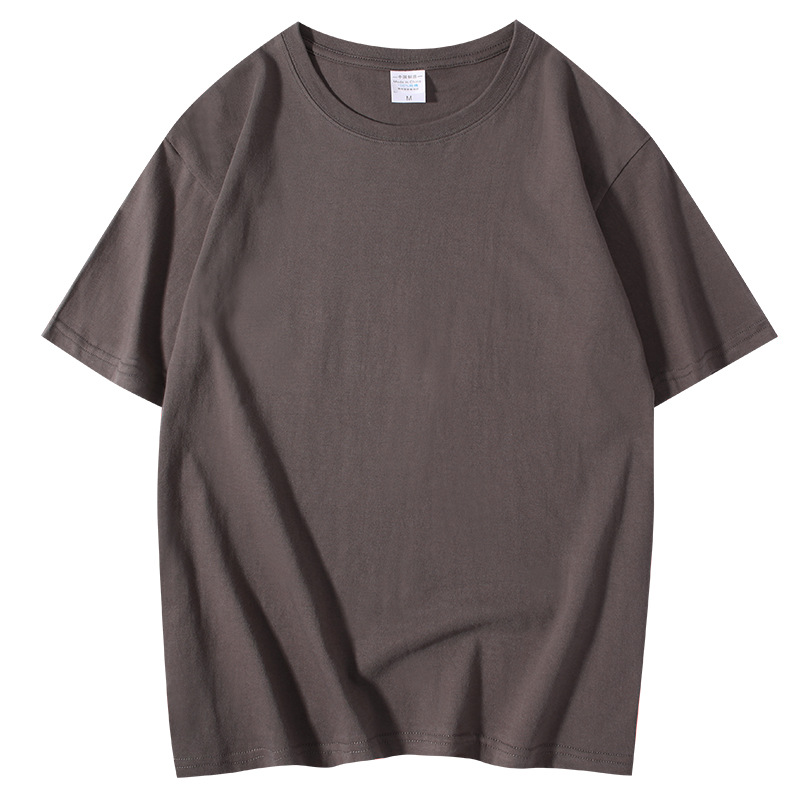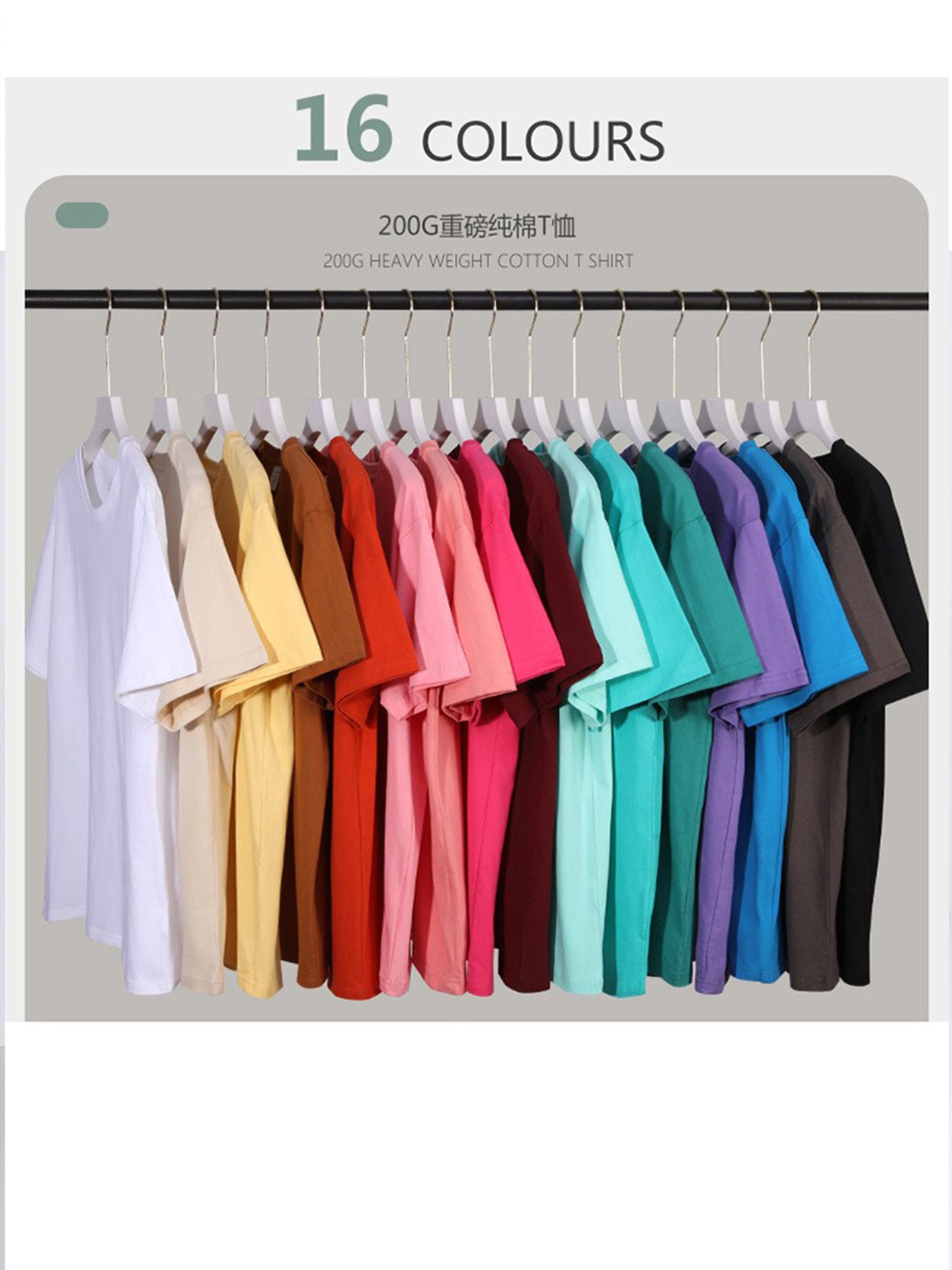
When buyers ask "what fabric should we use?", the single most useful number to settle first is GSM — grams per square metre. It is the weight of the fabric, and it quietly determines how a garment feels in the hand, how it hangs on the body, how long it survives repeated washing, and even how well a logo prints. Fix the GSM range early and most other decisions get easier.
1. What GSM Actually Measures
GSM is the mass of one square metre of fabric. Higher GSM means more fibre per unit area, which generally means a denser, heavier cloth. But weight alone does not tell the whole story — two fabrics at the same GSM can feel very different depending on yarn count, knit structure and finishing. Treat GSM as the starting point for a conversation, not the final word on quality.
For knitwear it is also worth knowing the related terms you may see on a spec sheet:
- GSM — grams per square metre, the standard measure for knitted fabric weight.
- Yarn count — finer yarns (higher count) usually give a smoother, softer surface at the same weight.
- Knit structure — single jersey, piqué, French terry and fleece all behave differently even at comparable weights.
2. T-Shirts: The 160–250g Range in Practice
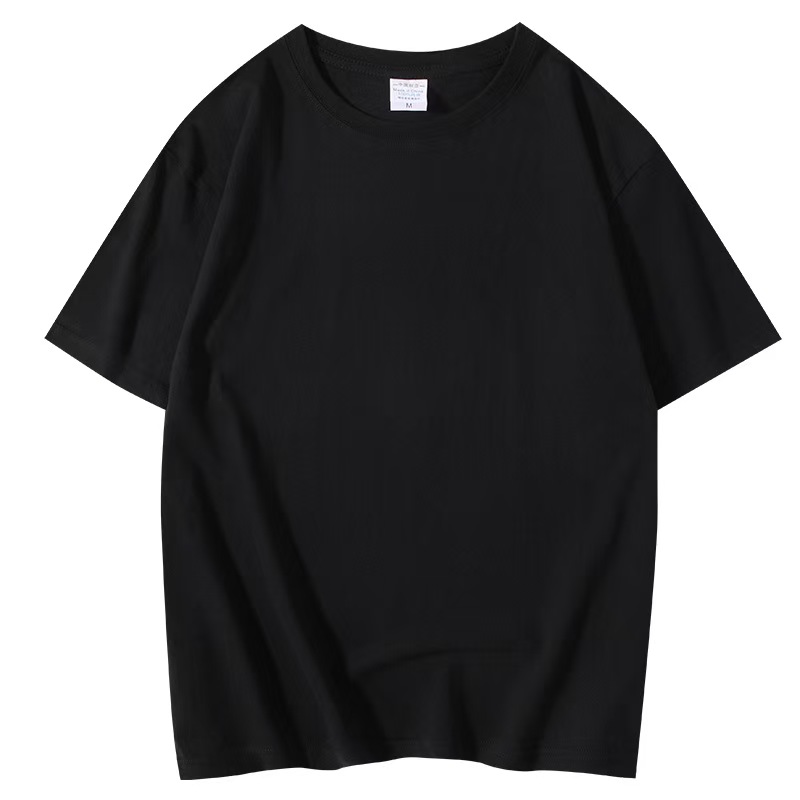
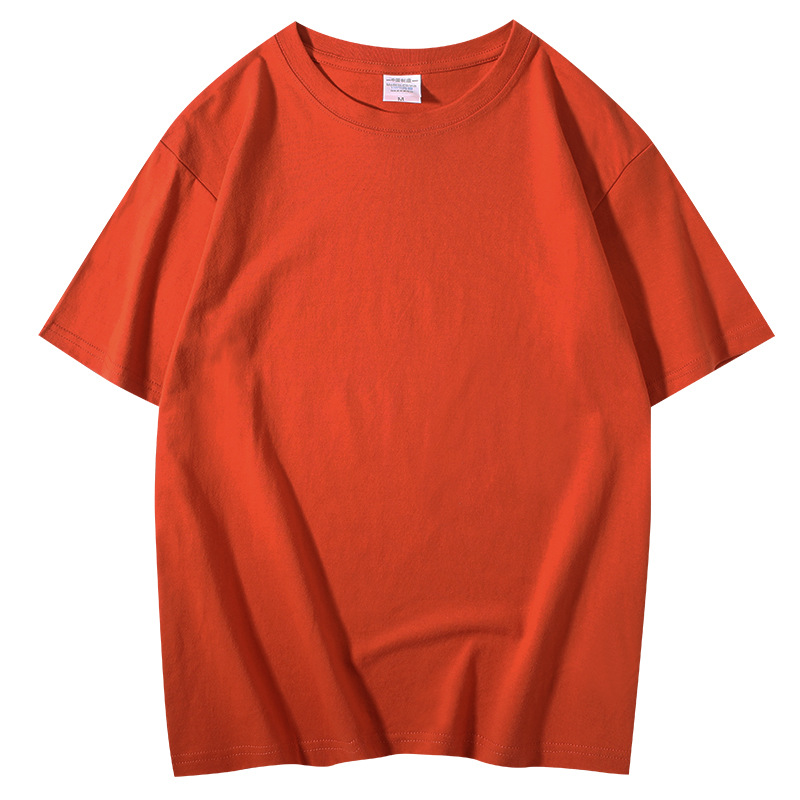
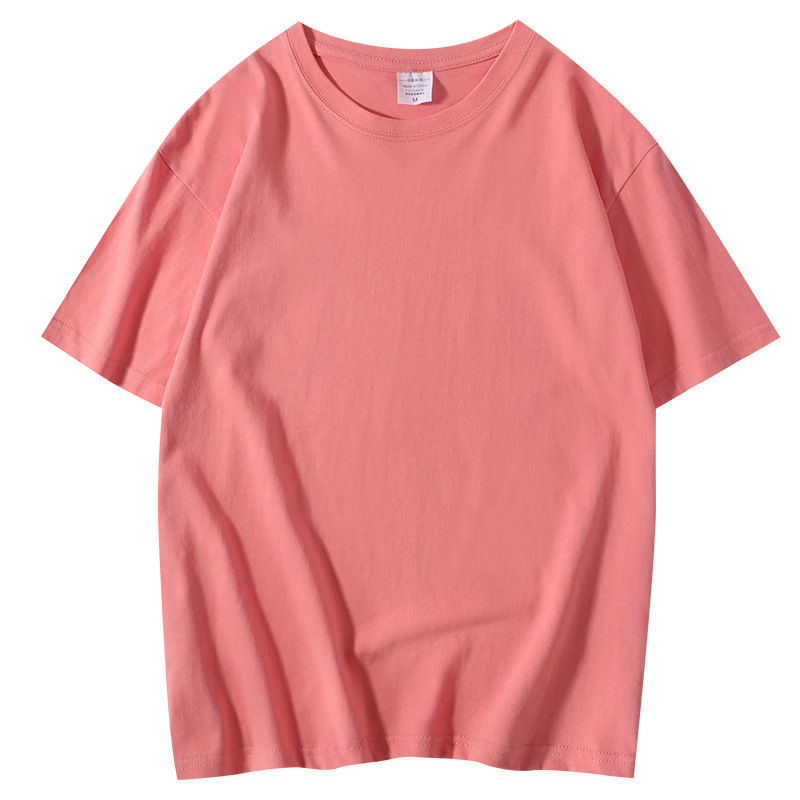
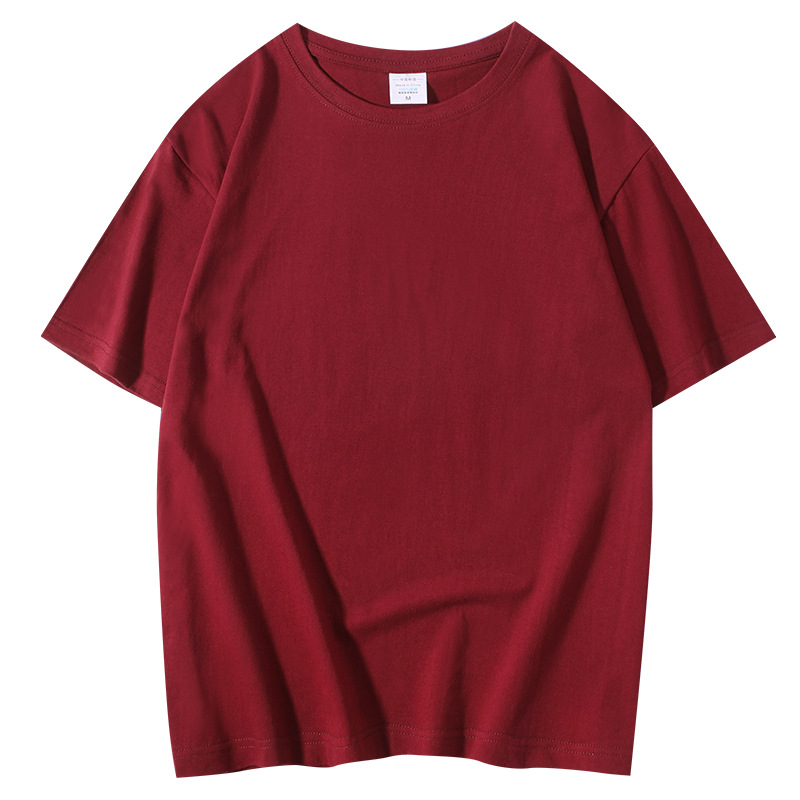
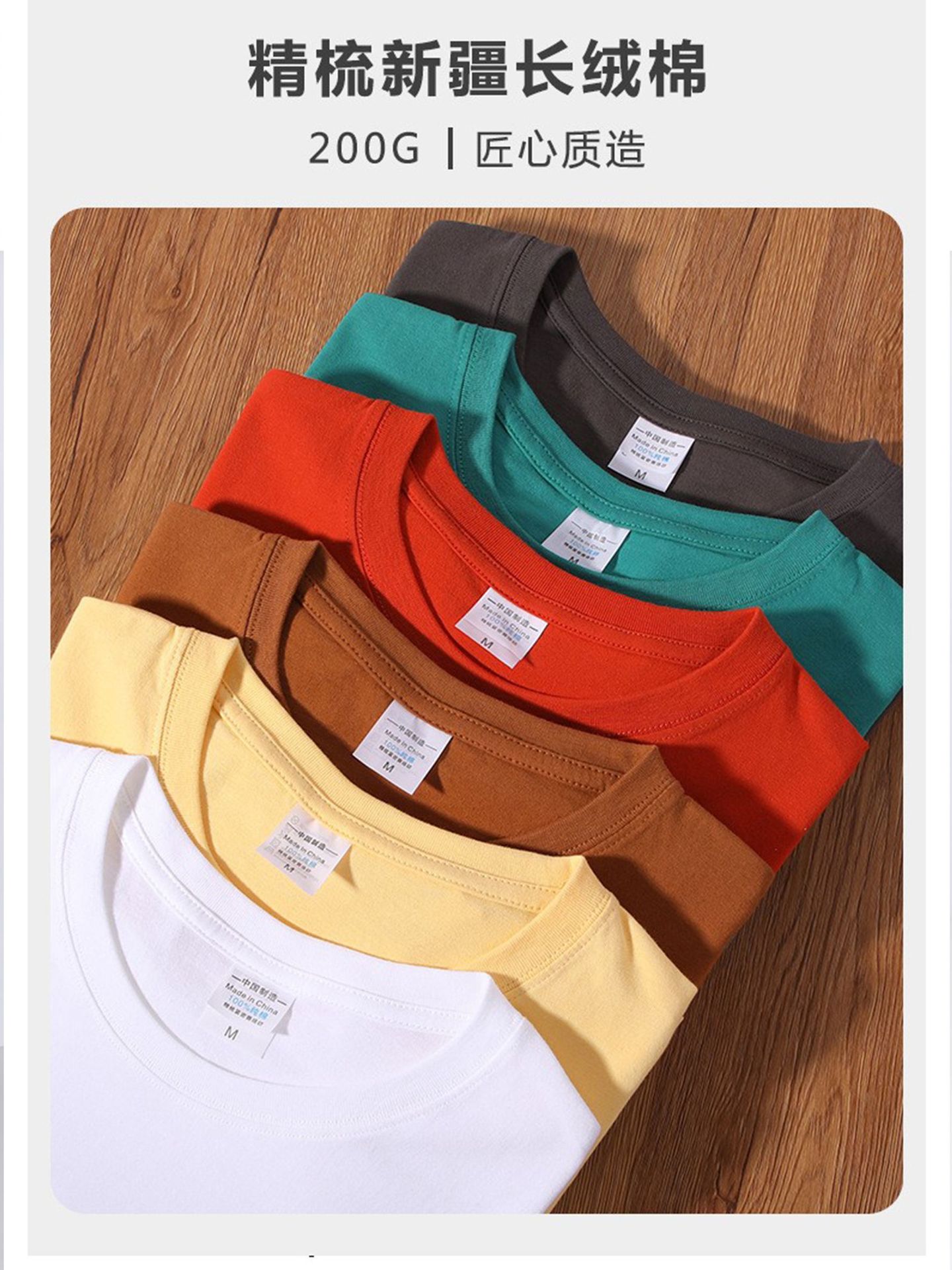
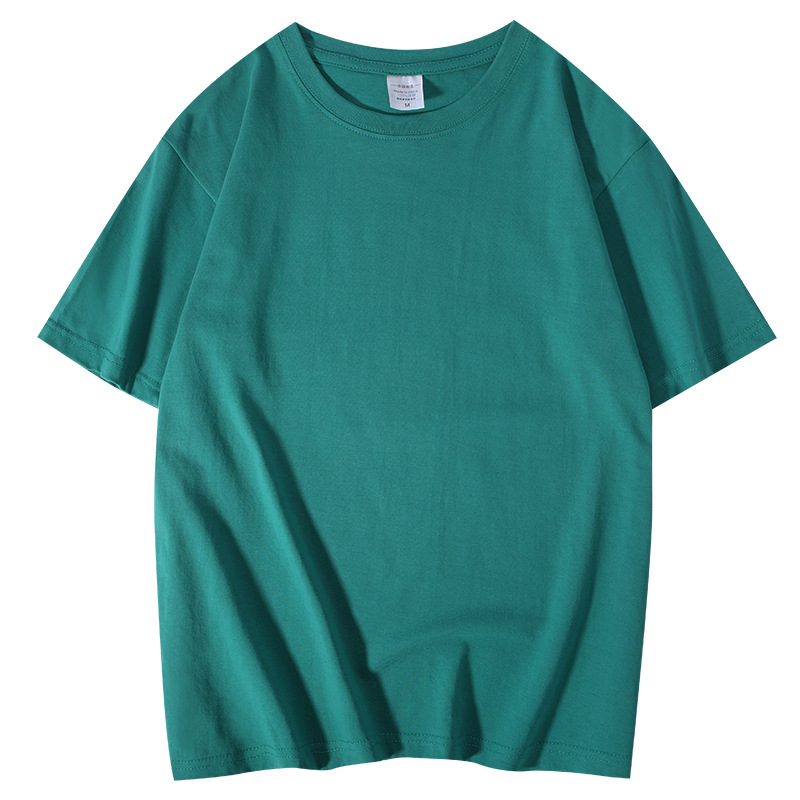
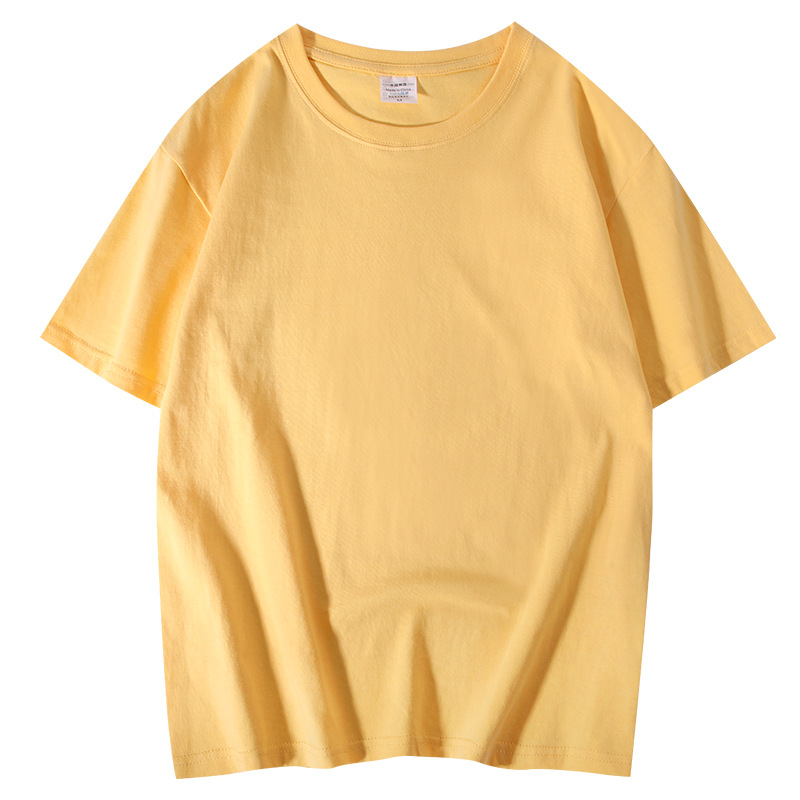
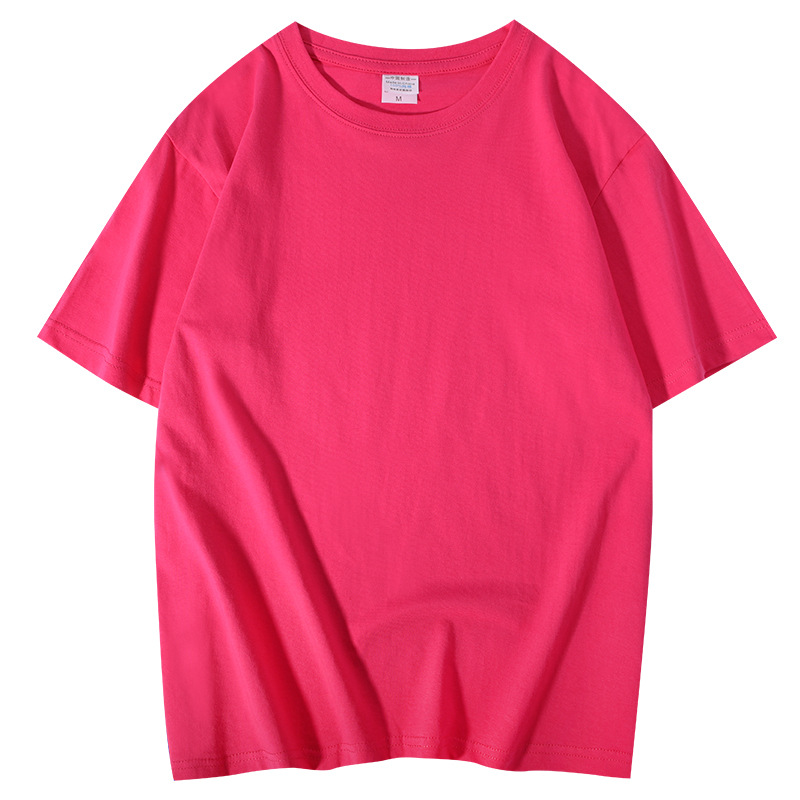
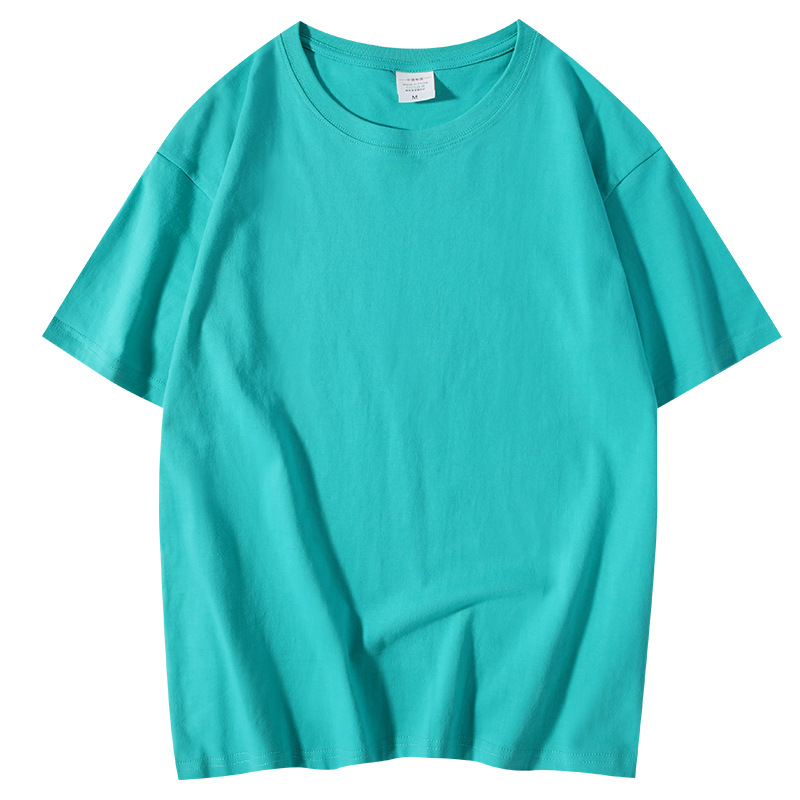
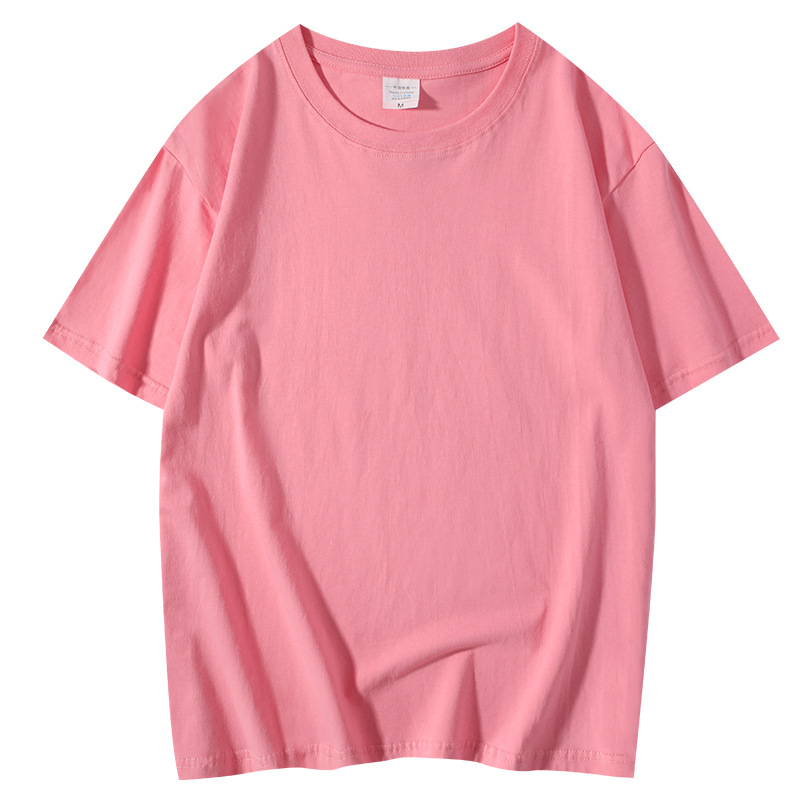
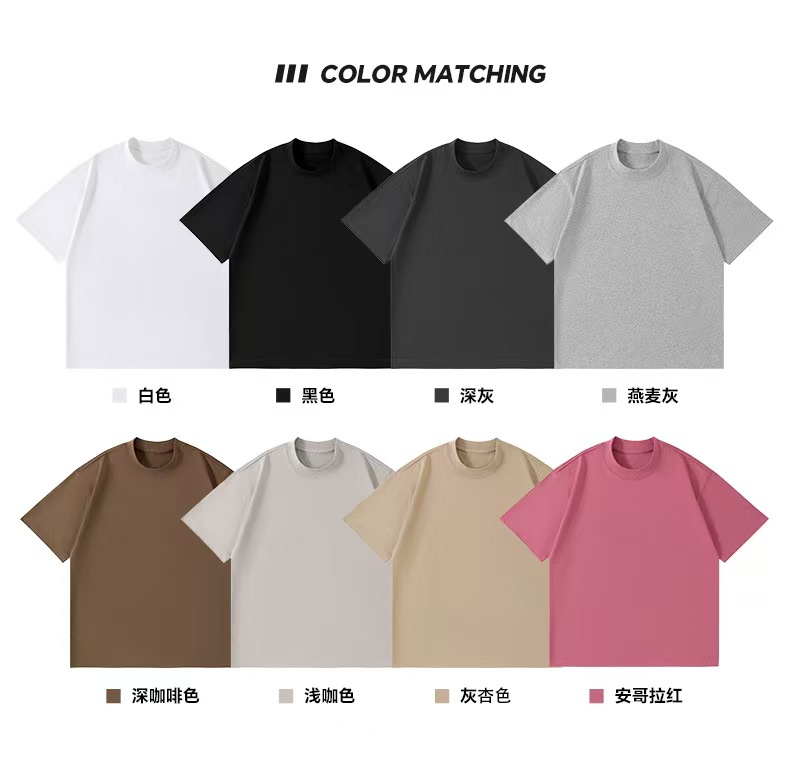
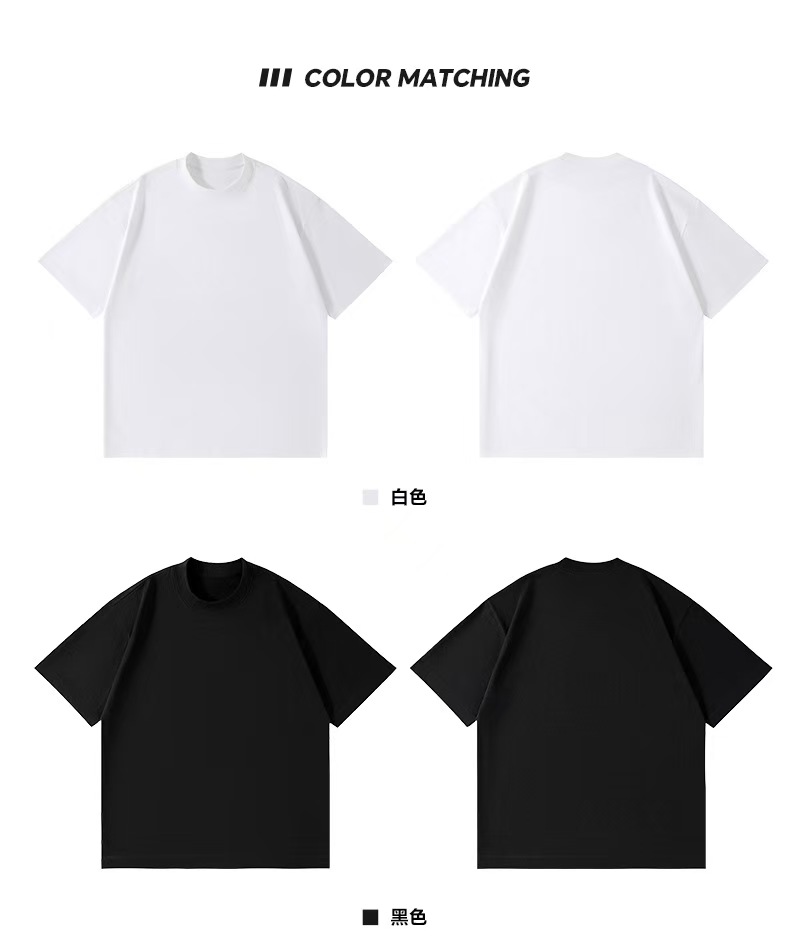
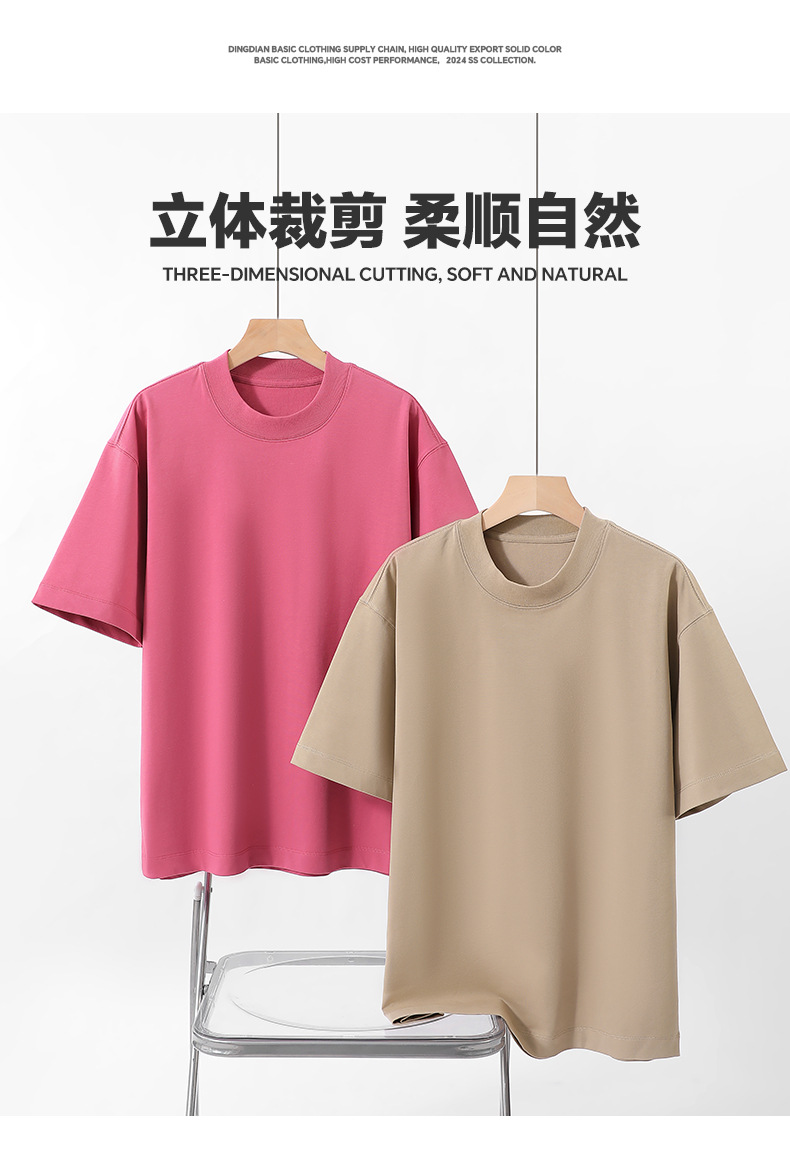
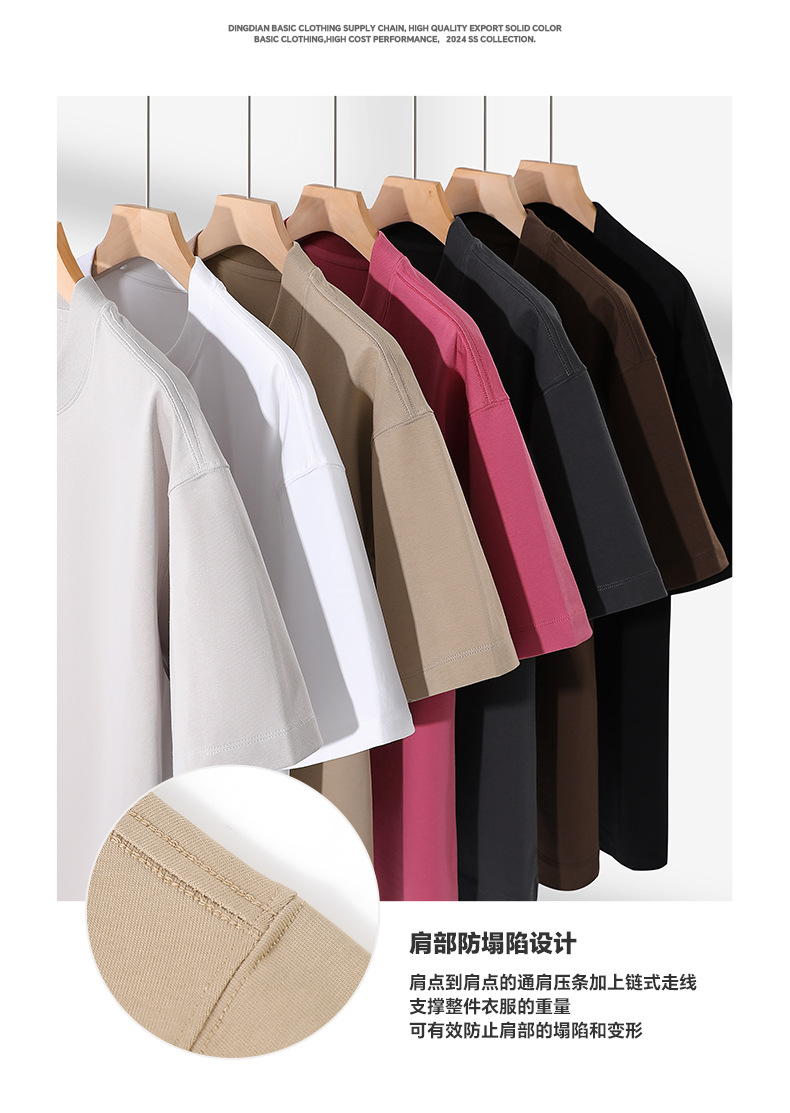
Most custom t-shirt programmes live between 160g and 250g. The choice is usually driven by use case rather than by cost alone.
- 140–170g — light and breathable. Good for warm climates, promotional giveaways, sports and event wear where cost and comfort matter more than longevity. Also the base for quick-dry performance styles.
- 180–200g — the retail sweet spot. Substantial enough to hold its shape and drape properly, light enough to wear year-round. This is where most branded merchandise and retail basics sit.
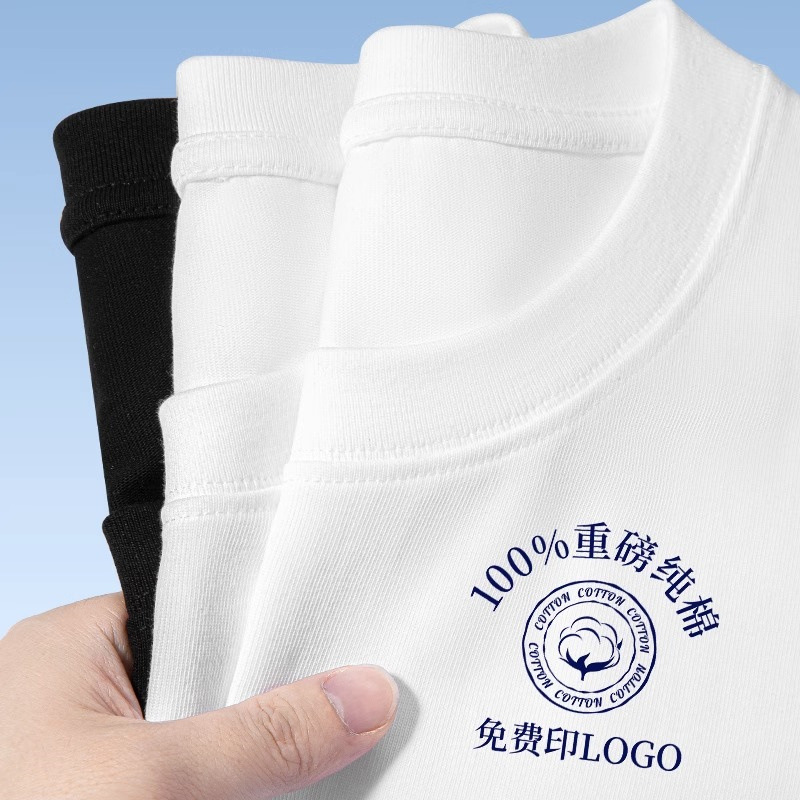
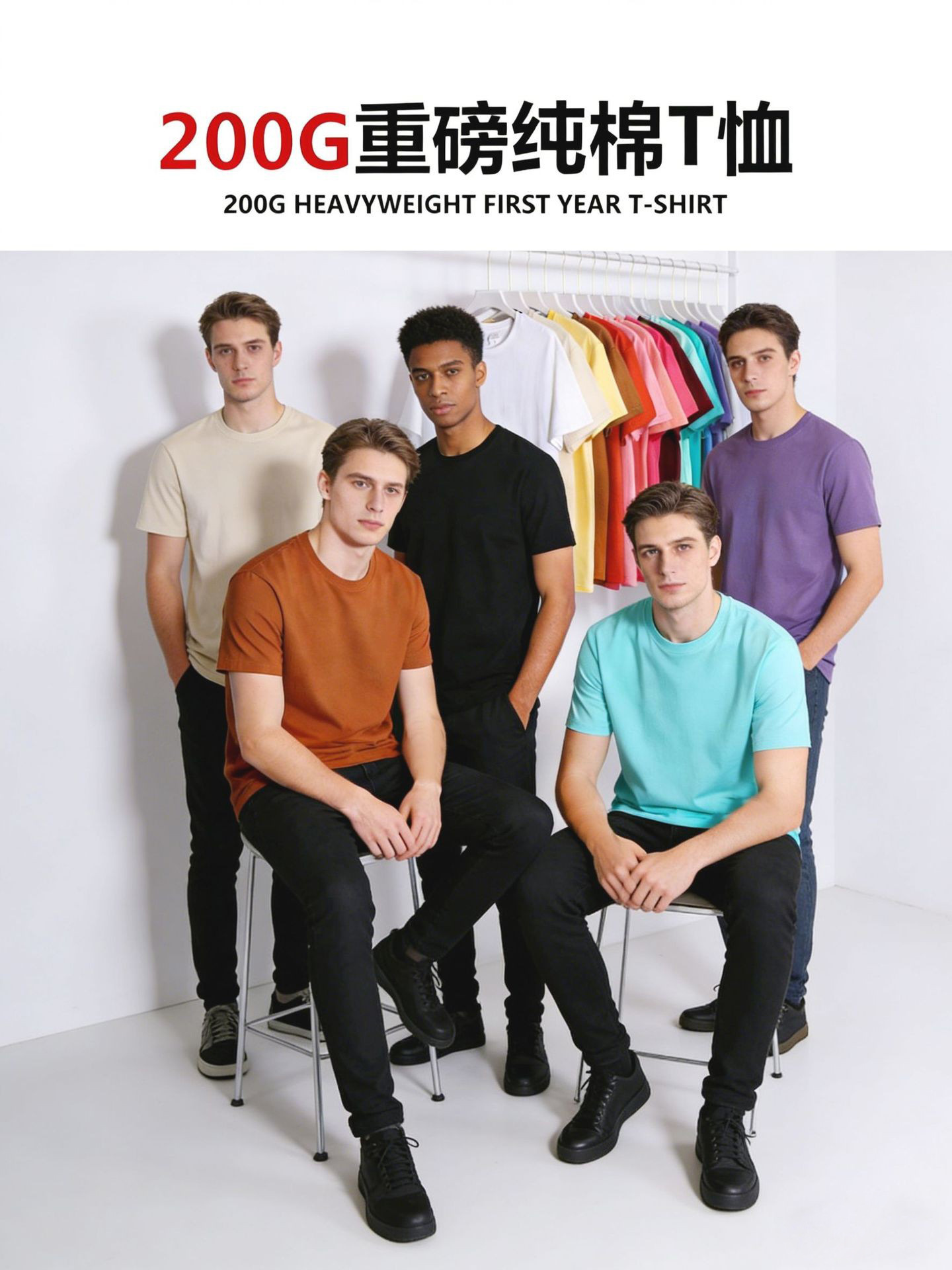
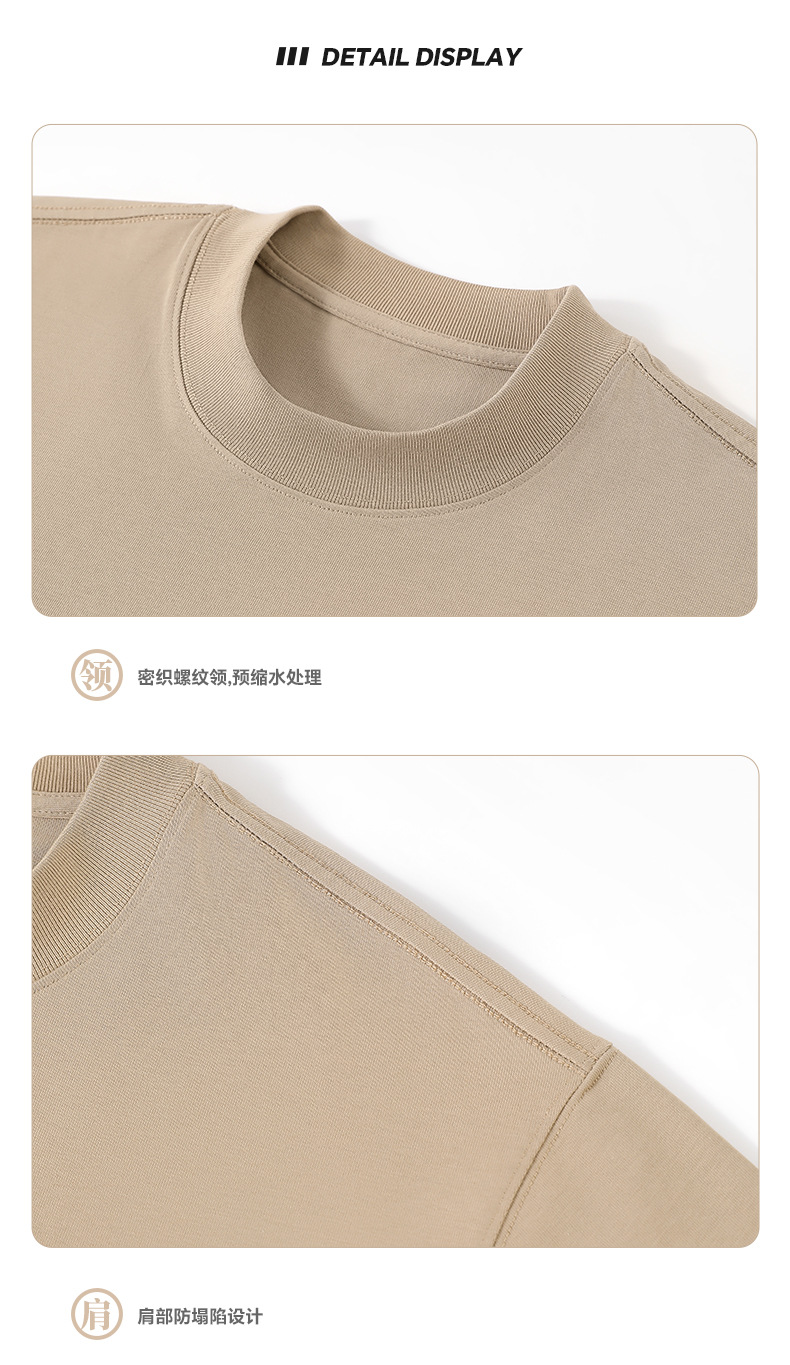
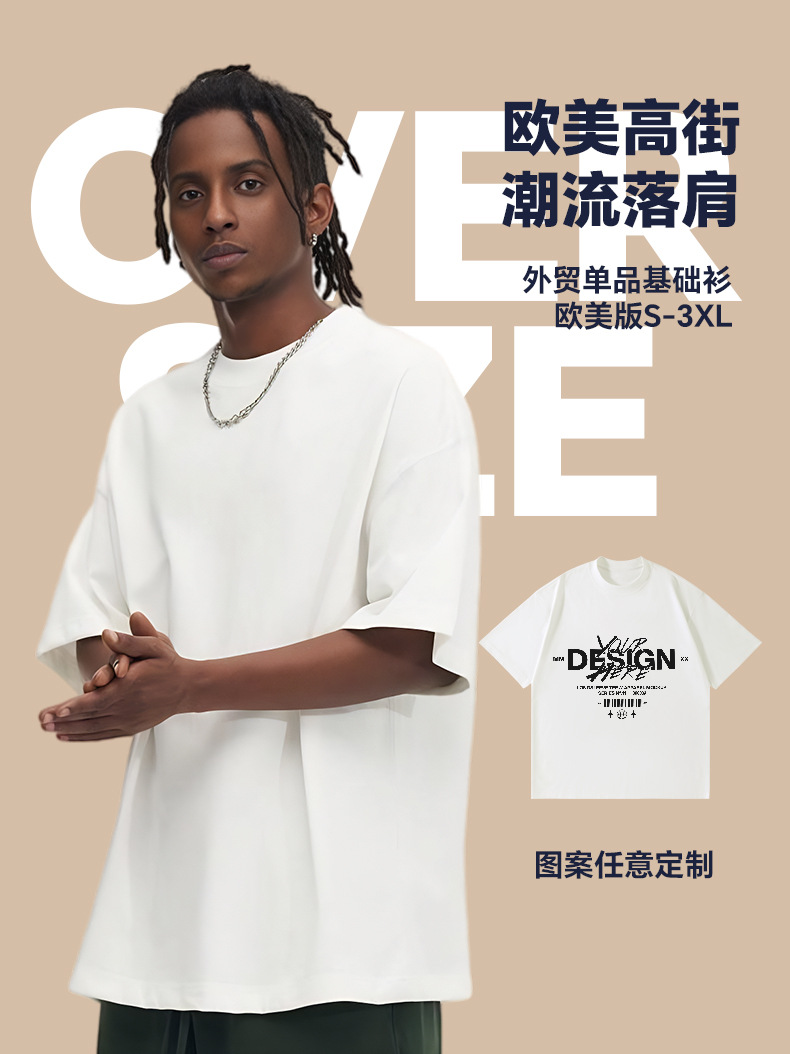
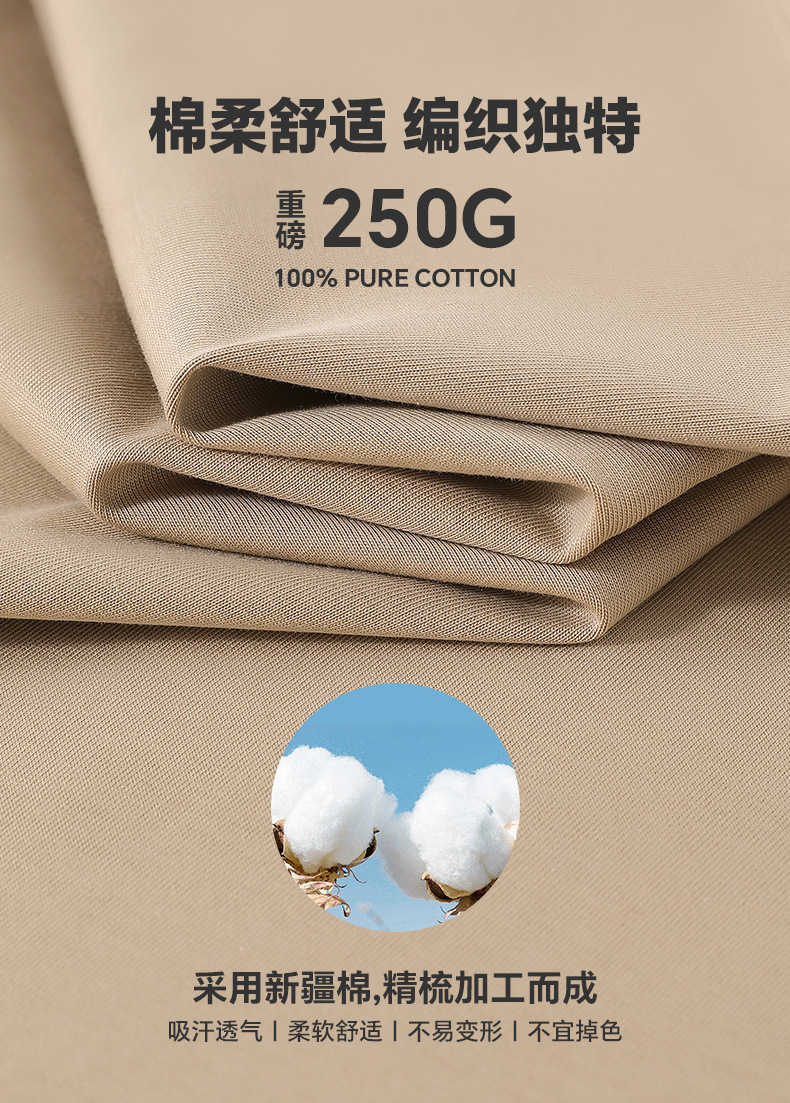
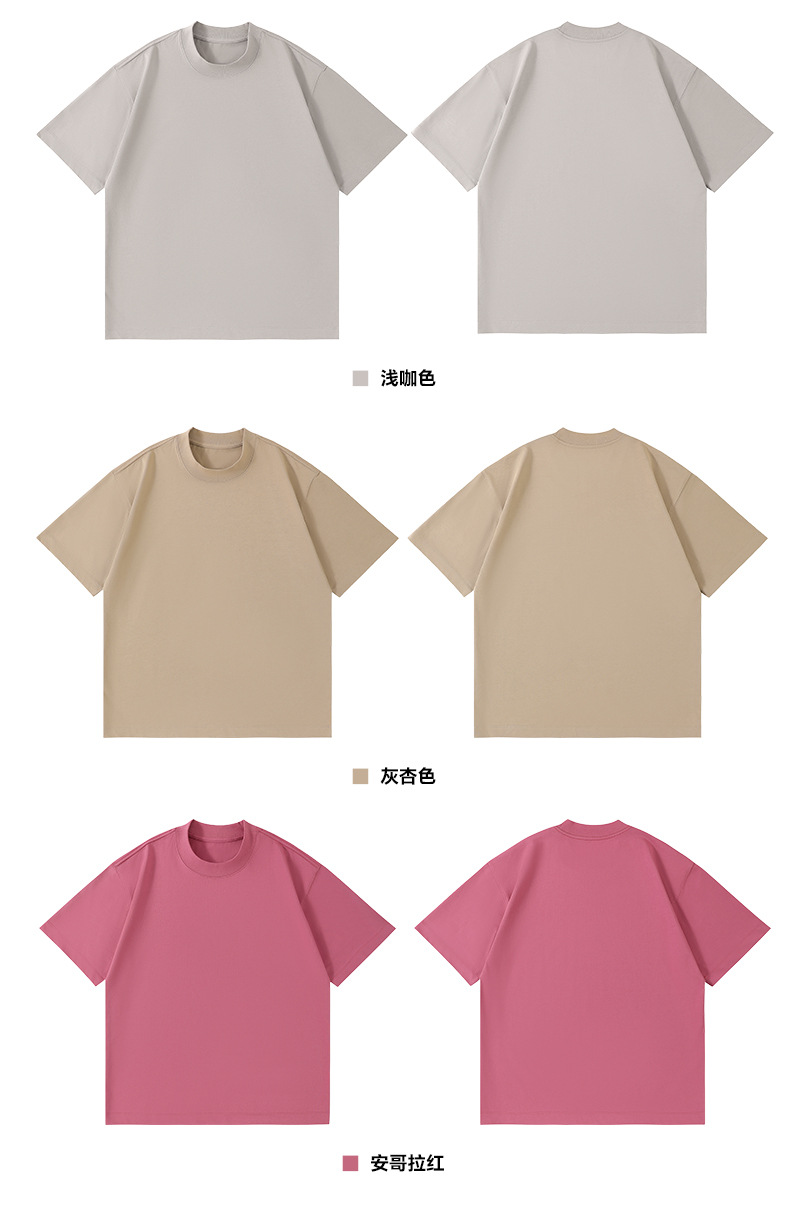
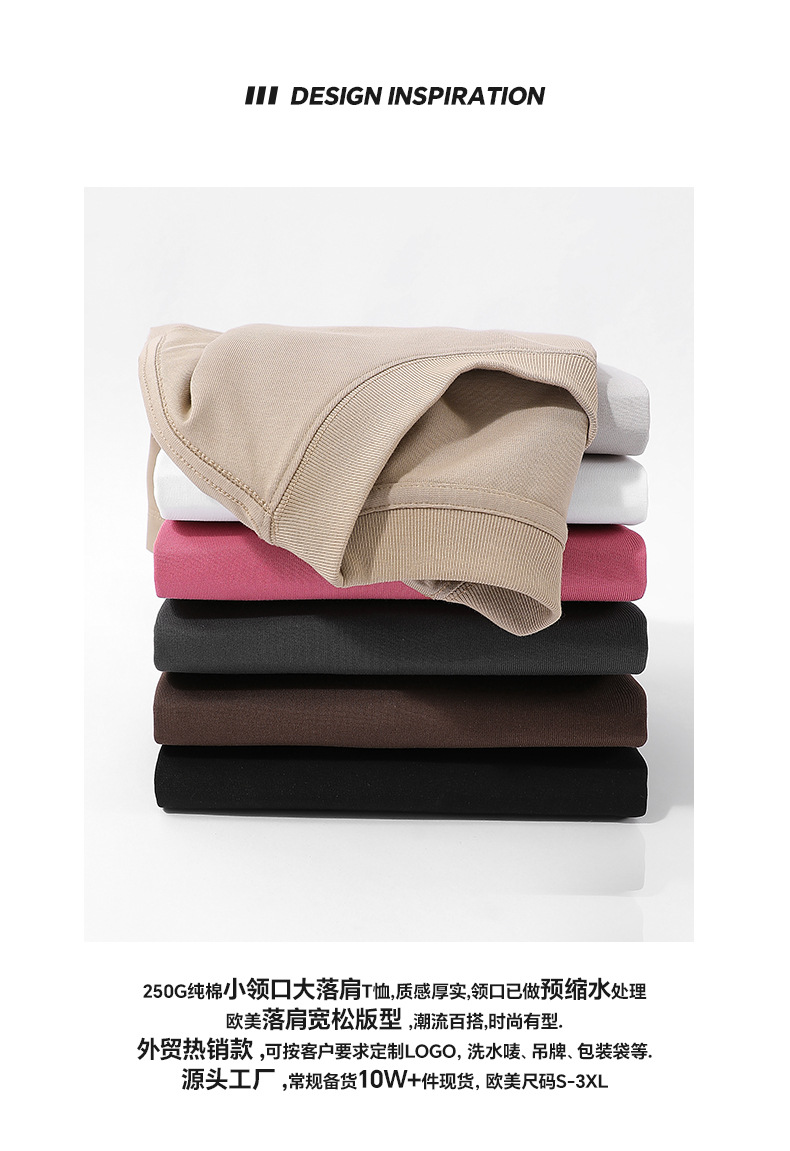
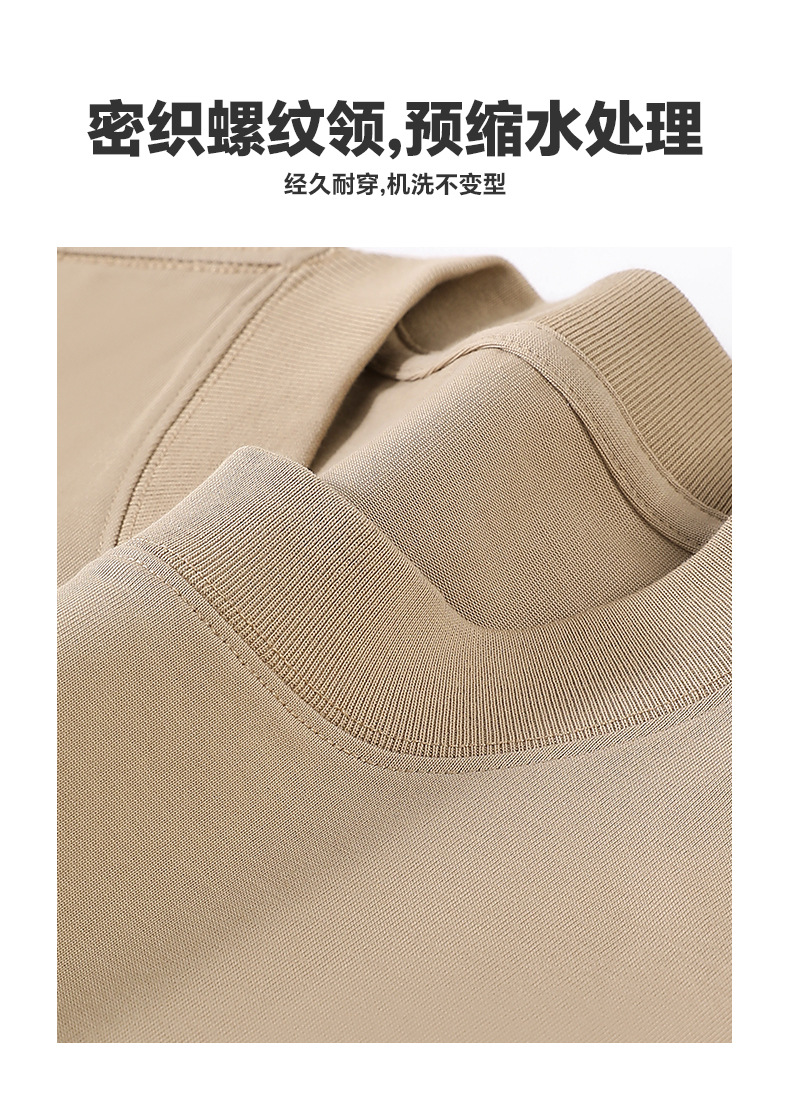
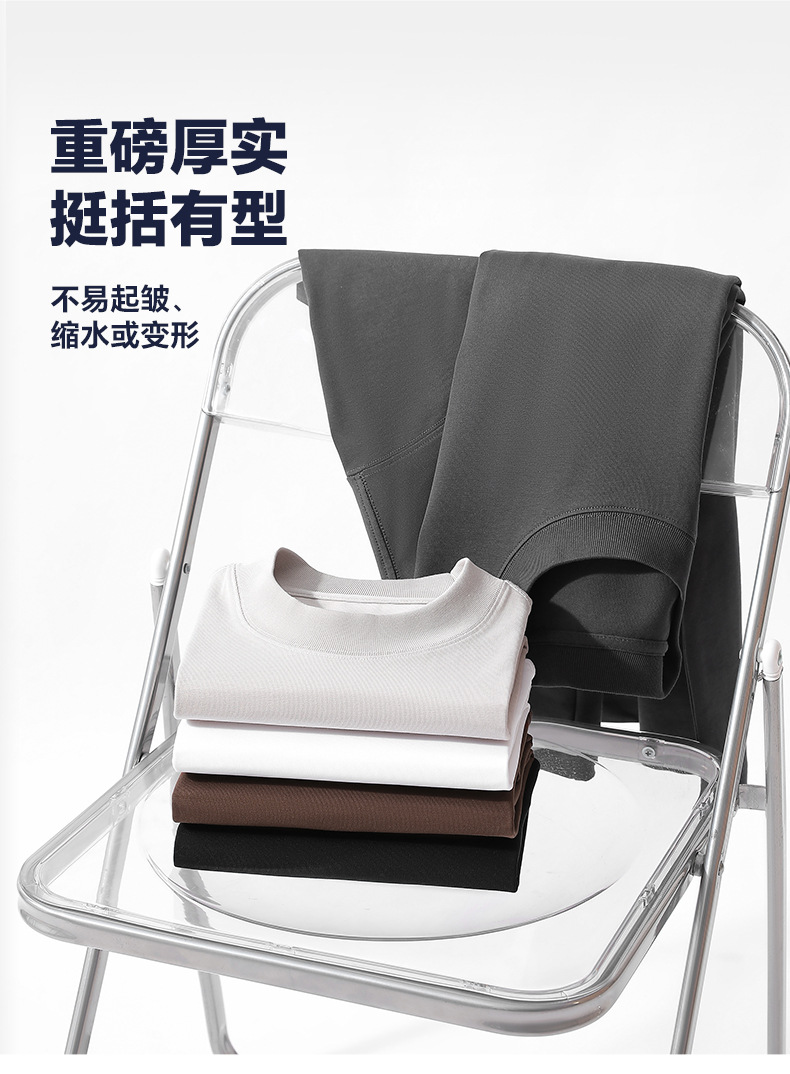
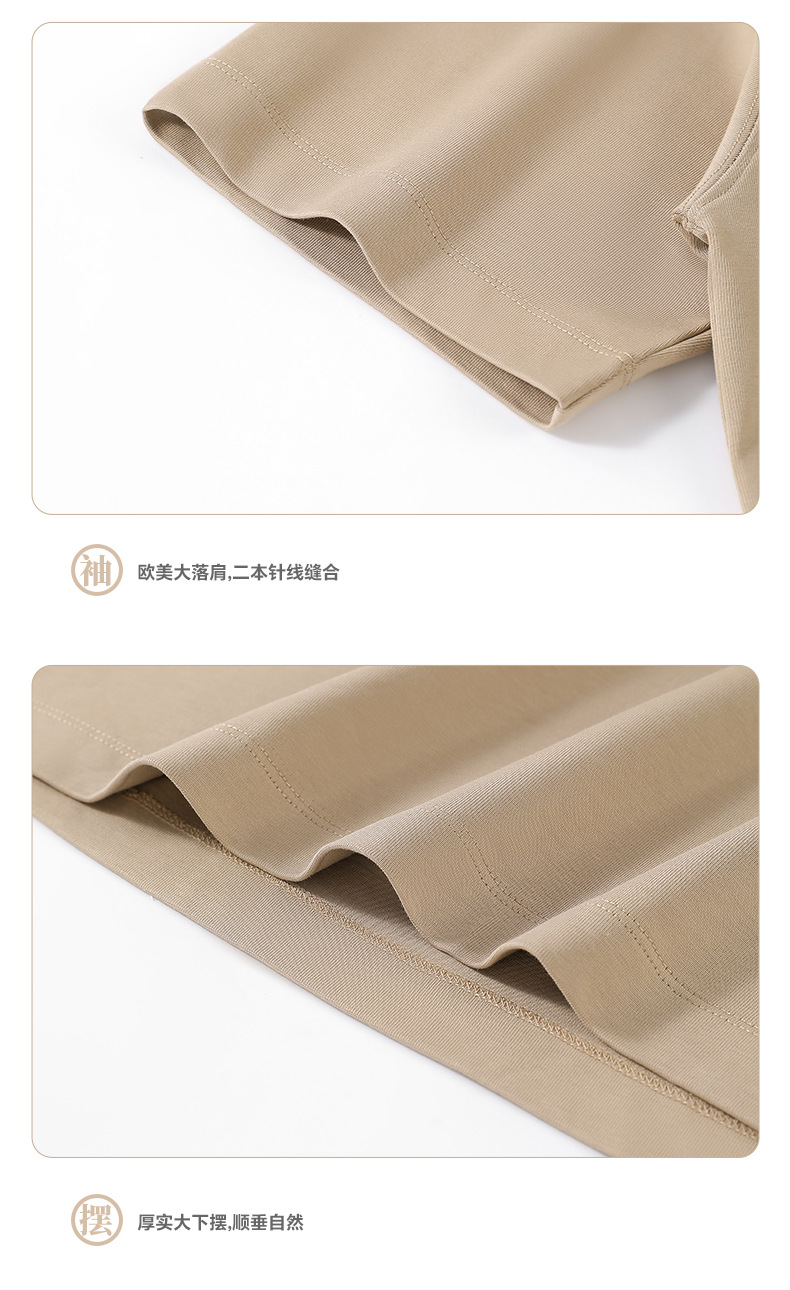
- 220–250g — heavyweight and structured. Feels premium in the hand, hangs cleanly, and resists the see-through problem that plagues lighter shirts. Popular for premium streetwear, workwear and higher-priced retail lines.
A useful rule: if the shirt will be worn as a standalone garment in public, go 200g and above. If it is a layered promotional item, 160–180g is often the sensible ceiling.
3. Polos: Where Piqué Changes the Math
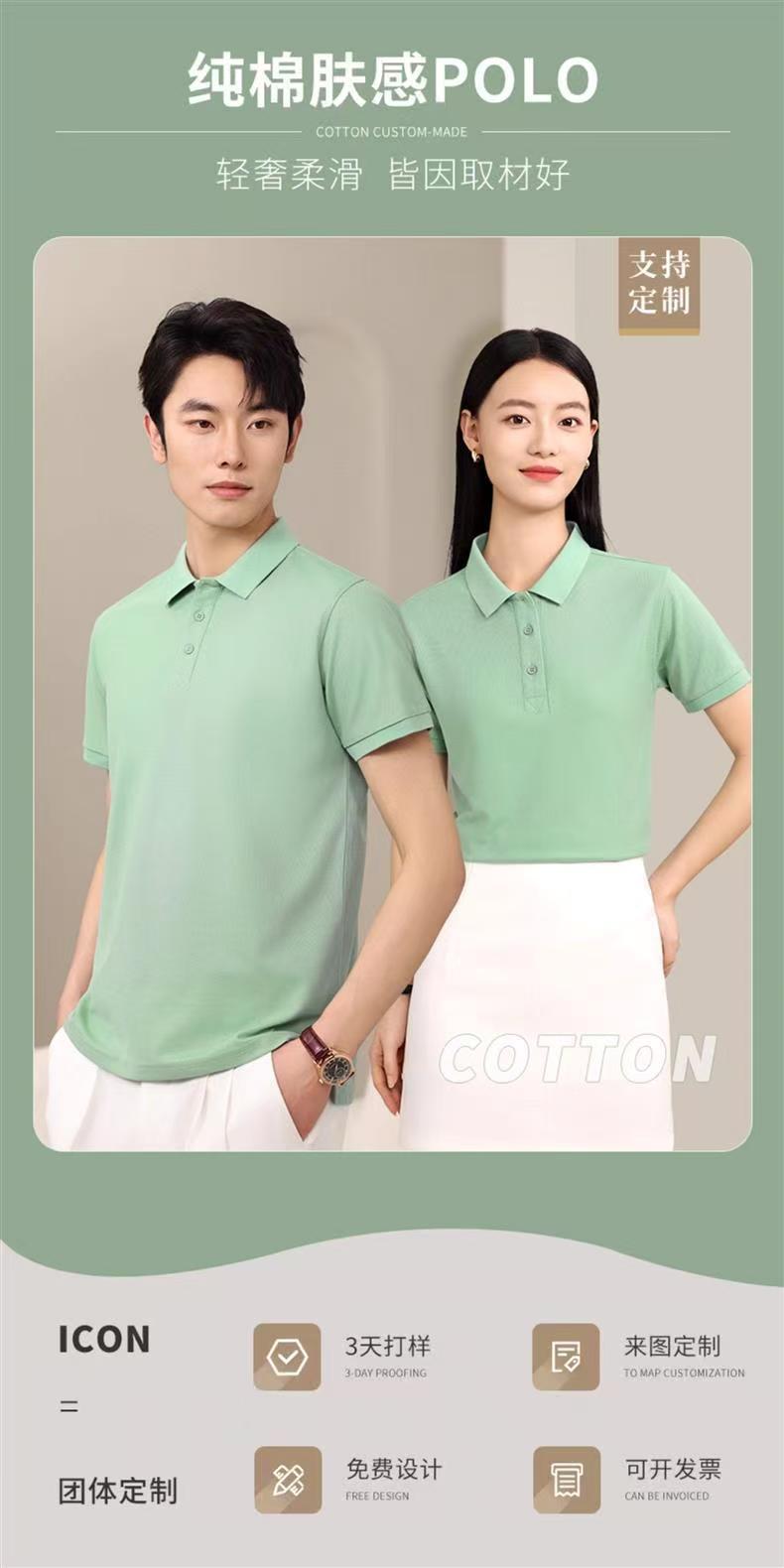
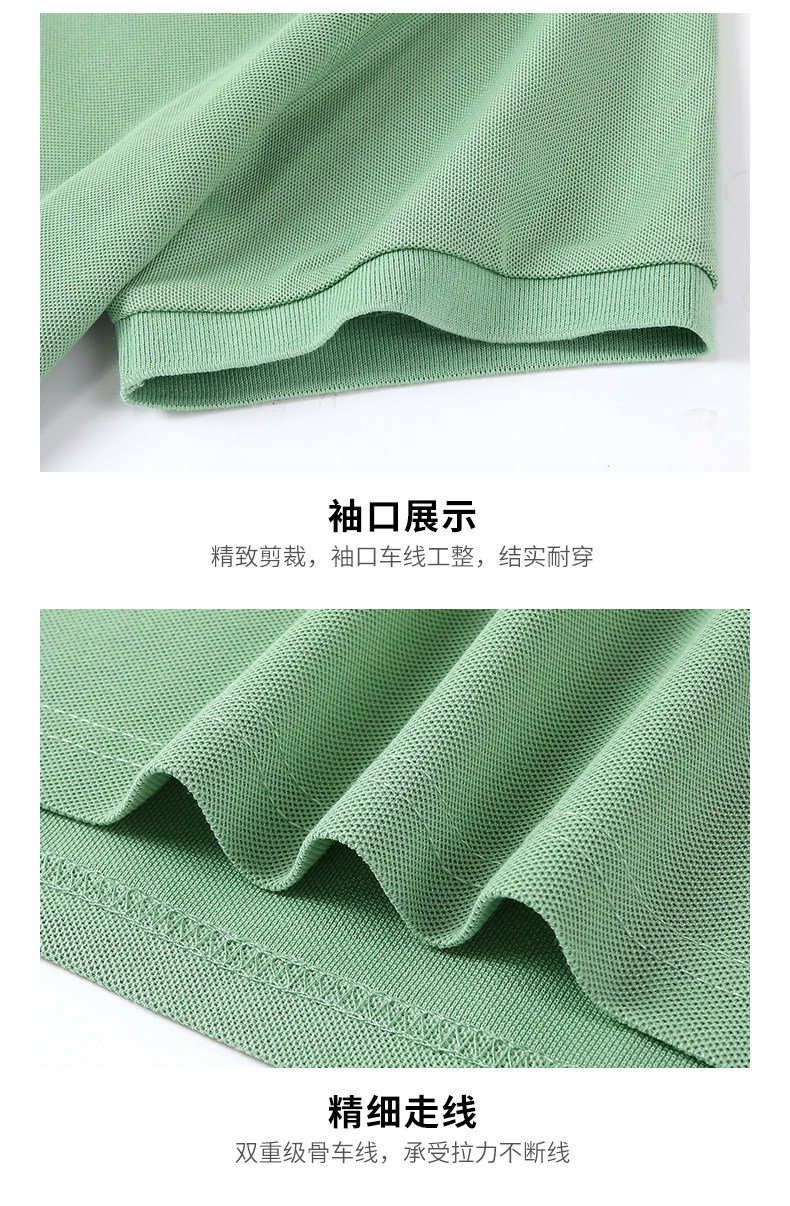
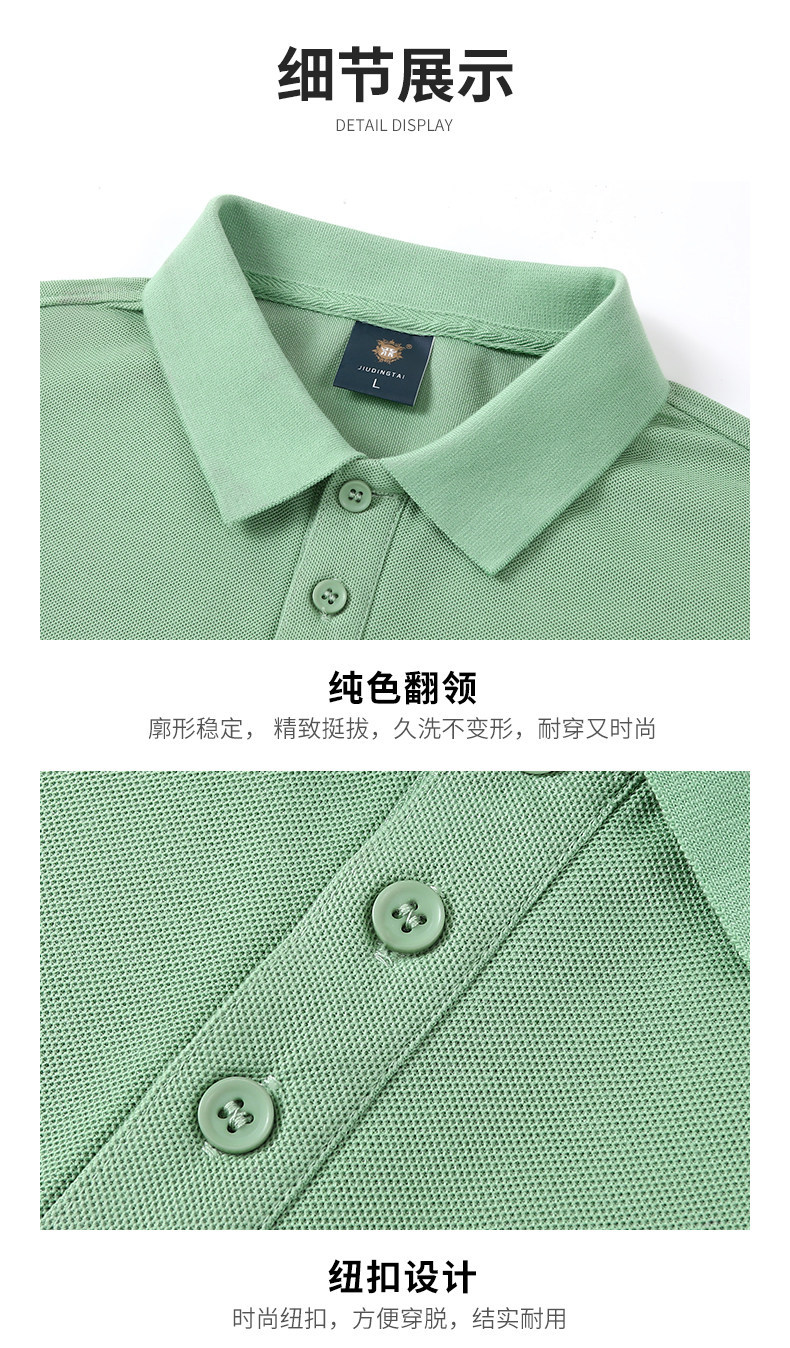
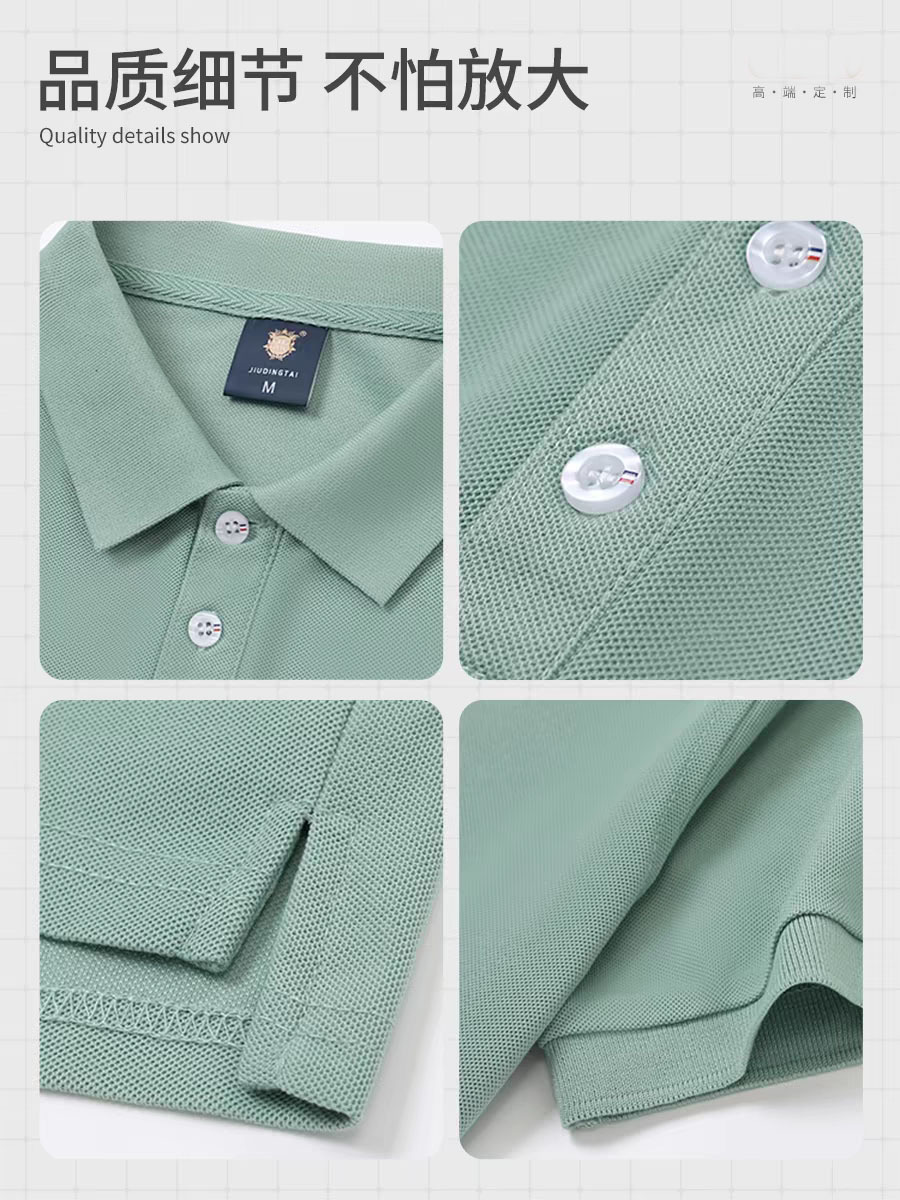
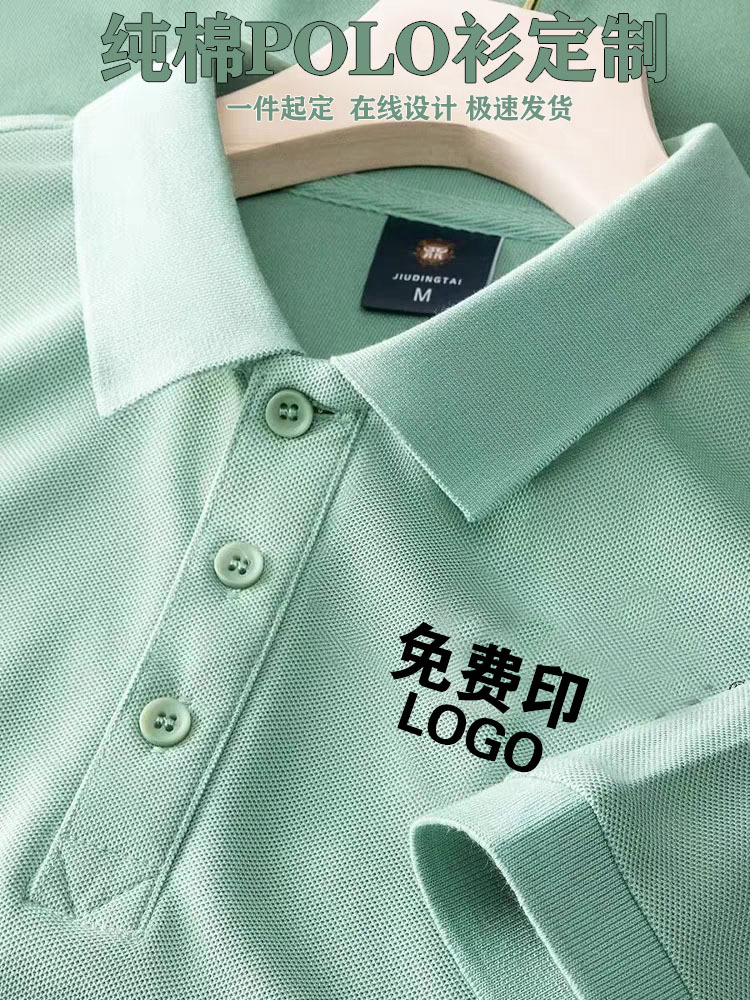
Polos are almost always knit in piqué rather than single jersey, and piqué's textured surface means a polo at the same GSM feels more substantial than a t-shirt. That shifts the useful ranges upward slightly.
- 160–180g — light summer polo. Comfortable in heat, but can look thin over time.
- 180–200g — the classic corporate and uniform weight. Holds a collar shape well and handles embroidery cleanly.
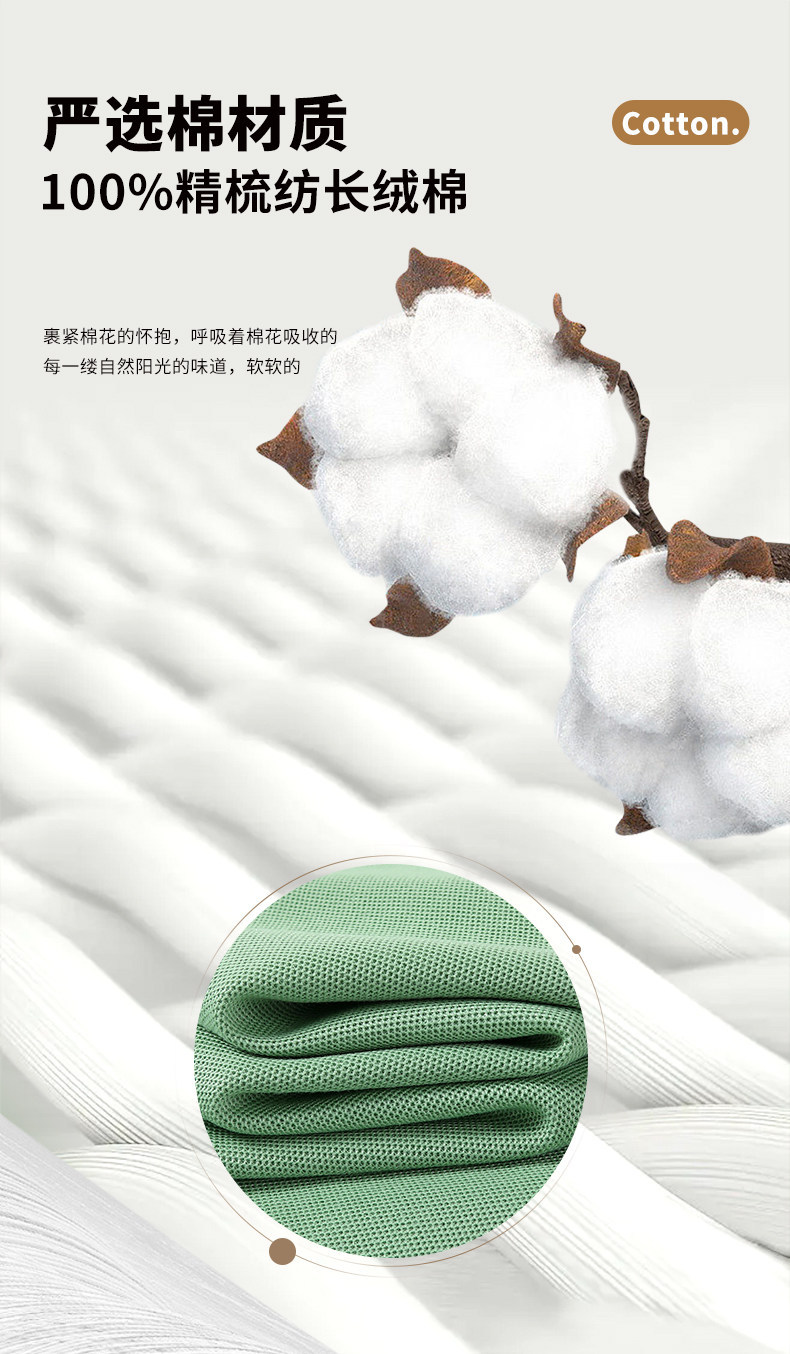
- 210–230g — heavyweight combed cotton piqué. Dense, structured, with a clearly premium hand-feel. The right choice for retail-quality polo ranges.
For corporate uniforms, weight is not just aesthetics: a slightly heavier piqué keeps its shape through frequent industrial washing, which matters more than the initial look.
4. Sweatshirts: 240–320g and the Terry vs Fleece Choice
Sweatshirts sit in a much heavier band, and here the structure matters as much as the weight.
- 240–260g French terry — the lighter end. Smooth face with visible loops inside. Versatile for mid-season layering and lighter hoodies.
- 280–300g French terry — the mainstream premium range. Substantial without being bulky; holds a stand collar or zip front well.
- 300–320g fleece lined — the heavy end. Brushed or fleece-backed for warmth. Right for winter crew necks and hoodies, and the weight most associated with premium streetwear.
French terry and fleece can share a GSM but feel entirely different: terry is looped and breathable, fleece is brushed and insulating. If warmth is the priority, specify the fleece backing explicitly rather than just raising the number.
5. How GSM Interacts With Printing and Embroidery
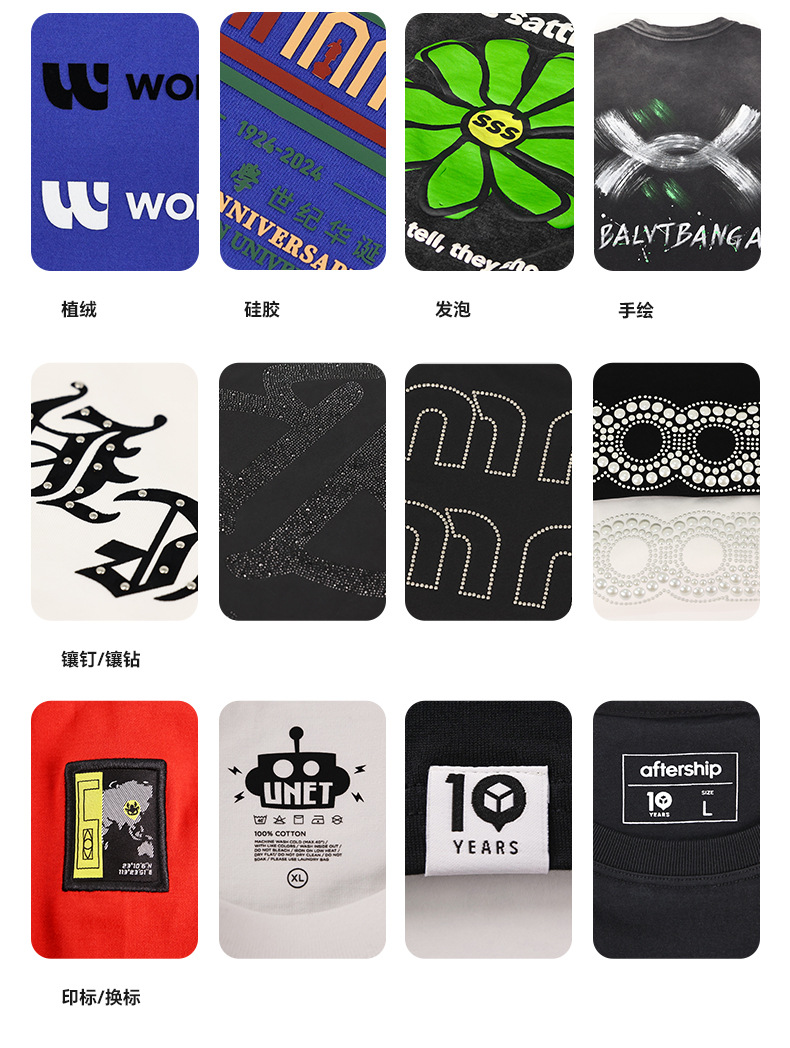
Fabric weight affects decoration results, and this is where selection mistakes get expensive:
- Screen printing works on a wide range of weights, but very light fabric can show ink bleed more readily, and very heavy fabric needs more ink penetration to avoid a raised, plastic feel.
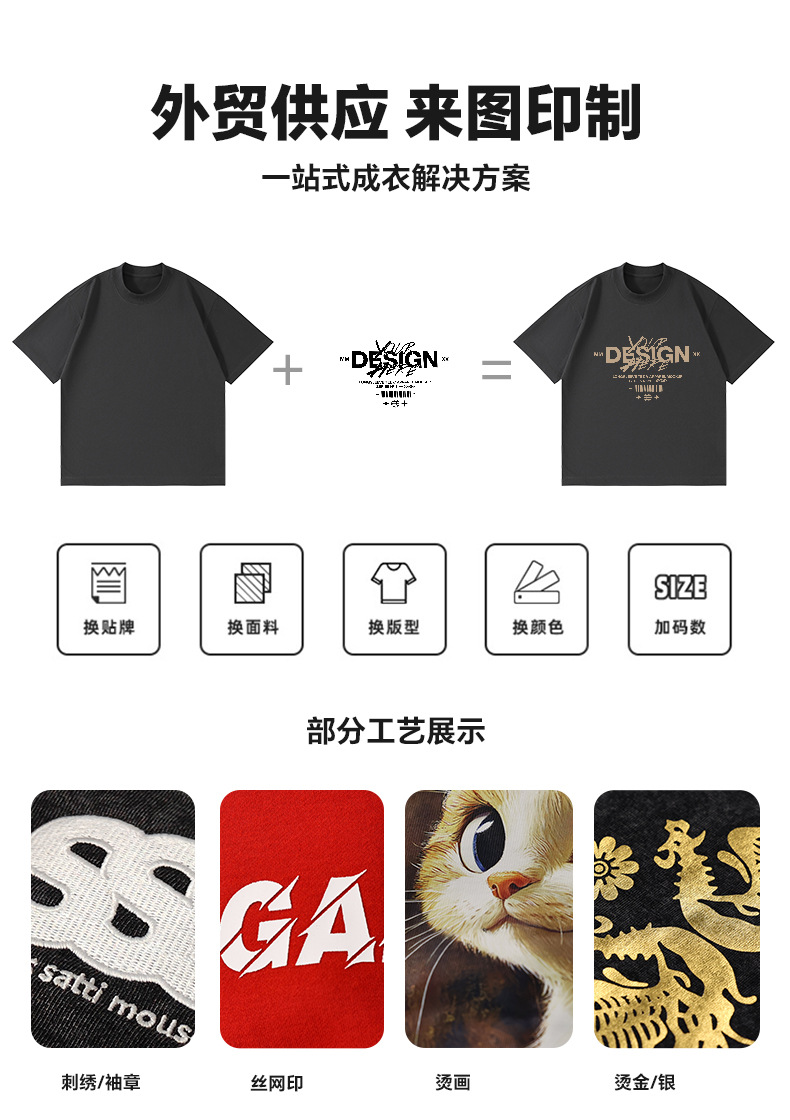
- Embroidery needs enough body to support the stitch density without puckering. Heavier piqué and French terry handle dense logos far better; very light single jersey can distort under a large stitch count.
- Heat transfer and DTG are more sensitive to fabric surface and fibre content than to weight, so check compatibility alongside the GSM decision rather than after it.
6. A Practical Selection Method
When a buyer is unsure, working through these four questions settles the GSM range quickly:
- Where will it be worn? Standalone in public (200g+) versus layering or promotional use (160–180g).
- What climate? Hot and humid pushes toward the lighter end; cold and variable pushes toward heavier.
- How will it be decorated? Dense embroidery favours a heavier, more stable fabric; large screen prints tolerate lighter cloth.
- How long must it last? Frequent industrial laundering and long service life justify a heavier, denser knit.
Bring a reference garment to the conversation if you can. "Something like this, but a bit heavier" is a far more precise brief than a number chosen in isolation, because it captures hand-feel and drape that GSM alone cannot express.
7. Getting Samples Before Committing
GSM is a specification, not an experience. Before a bulk order, ask for fabric swatches or a sample garment in the candidate weights and compare them side by side in daylight, in the hand, and after one wash. Two weights that look identical on a spec sheet can read very differently once the customer holds the product.
Baihui Garment produces custom t-shirts, polos and sweatshirts across these weight ranges, with fabric swatches and pre-production samples available so you can validate the hand-feel before committing to bulk.
Conclusion
Fix GSM first: 160–180g for promotional and warm-climate wear, 180–200g for retail basics, 210–250g for premium and heavyweight lines, and 240–320g for sweatshirts with a terry-versus-fleece decision on top. Then confirm the decoration method and validate with a real sample. That sequence prevents the most common and most expensive selection error — approving a garment on paper that does not feel right in the customer's hands.